Saudi Arabia’s Voluntary Carbon Market Fuels the Shift to a Low-Carbon

Under UAE President’s directives, UAE launches urgent relief response for Ghana flood victims
Combating Desertification and Drought: Qatar a Model in Preserving Natural Resources, Establishing Environmental Stability
UAE allocates US$30 million for emergency humanitarian response in El Obeid, calls for civilian protection, safe humanitarian aid access in Sudan

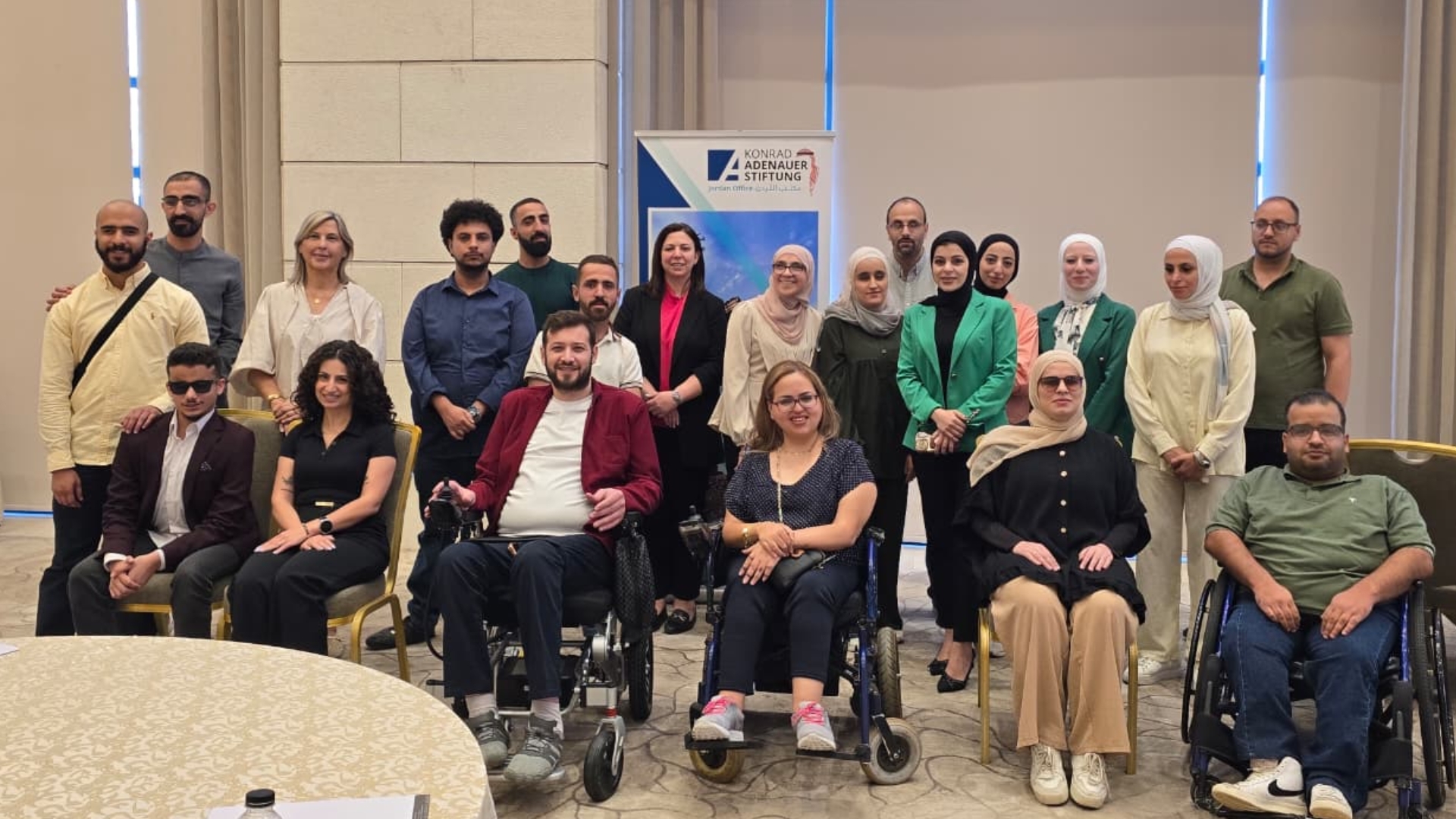
Amman, Aug. 18 (Petra) — The Higher Council for the Rights of
Persons with Disabilities (HCD), in cooperation with Germany’s Konrad
Adenauer Foundation, concluded a training program on political
empowerment involving 20 young men and women from parties represented
in the Lower House of Parliament, as well as activists with
disabilities.
According to an HCD statement issued Tuesday, the program focused on
concepts and requirements related to political party work and ways to
integrate persons with disabilities into party activities. It also
addressed standards for inclusive party engagement that ensure
disability issues are represented and persons with disabilities can
participate effectively within political parties.
The program examined mechanisms governing cooperation between
political parties and parliamentary blocs, including procedures for
forming and joining parliamentary blocs and their relationship with
parties outside Parliament, particularly as parliamentary blocs are
required to be formed on a partisan basis.
Participants were also introduced to the structure of party-based
blocs in the Lower House and how they are formed. The training
addressed the importance of political parties and their parliamentary
blocs incorporating the issues and rights of persons with
disabilities into their work, as well as the potential impact on
party activities and Parliament’s legislative and oversight roles.
The second part of the program covered political communication skills
and the preparation of rights-based political messages aimed at
challenging negative stereotypes concerning persons with
disabilities. It also addressed methods for communicating such
messages, including identifying target audiences and engaging with
them.
Practical exercises focused on addressing audiences and presenting
messages to the media and decision-makers. The sessions covered
organizing and condensing ideas, supporting arguments with evidence,
and using body language and tone of voice effectively during
communication and dialogue.
//Petra// AO