Saudi Arabia’s Voluntary Carbon Market Fuels the Shift to a Low-Carbon

Under UAE President’s directives, UAE launches urgent relief response for Ghana flood victims
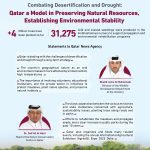
Combating Desertification and Drought: Qatar a Model in Preserving Natural Resources, Establishing Environmental Stability
UAE allocates US$30 million for emergency humanitarian response in El Obeid, calls for civilian protection, safe humanitarian aid access in Sudan

Khartoum, June 23, 2026 (SUNA) — The Ministry of Health on Tuesday launched a Hospital Operational Planning Workshop at Al-Salam Rotana Hotel in Khartoum, scheduled to run until Thursday, in cooperation with the World Health Organization (WHO). The workshop is part of the Sudan Health Emergency and Infrastructure Project (SHEIP), funded by the African Development Bank (AfDB) through WHO. Minister of Health Dr. Haitham Mohamed Ibrahim expressed appreciation to the African Development Bank for financing the project and to the World Health Organization for its support, noting that it targets 20 hospitals across the country and comes at an opportune time given the critical role hospitals play in the health system. He stressed the importance of strengthening primary healthcare services, which he said help reduce pressure on hospitals by up to 90%. He added that each hospital under the project will receive $400,000 and underscored the need for proper and targeted use of the funds in designated areas. The Minister also referred to additional federal funding allocated to hospitals, alongside other financing packages, and directed coordination with the National Medical Supplies Fund (NMSF) and the integration of health insurance systems in selected hospitals. He urged participants to benefit from hospital management expertise to improve administrative systems and achieve the required reforms. For her part, WHO representative, Dr. Nahid Idris Saleh, said hospitals continued to provide services despite the war, noting that assessment results highlighted their importance during the past period. She said 20 hospitals received around 100,000 patients in 2025, providing 260,000 monthly services, reflecting their vital role in the health system. She added that the SHEIP project was designed to support hospitals to ensure continuity of services and strengthen core systems such as water and sanitation, enabling them to operate effectively. She stressed the importance of coordination between the Ministry of Health and state health authorities, and of realistic planning to ensure the success of the project, while commending the role of the African Development Bank.BH/BH