
Saudi Arabia’s Voluntary Carbon Market Fuels the Shift to a Low-Carbon

Under UAE President’s directives, UAE launches urgent relief response for Ghana flood victims

Combating Desertification and Drought: Qatar a Model in Preserving Natural Resources, Establishing Environmental Stability

UAE allocates US$30 million for emergency humanitarian response in El Obeid, calls for civilian protection, safe humanitarian aid access in Sudan

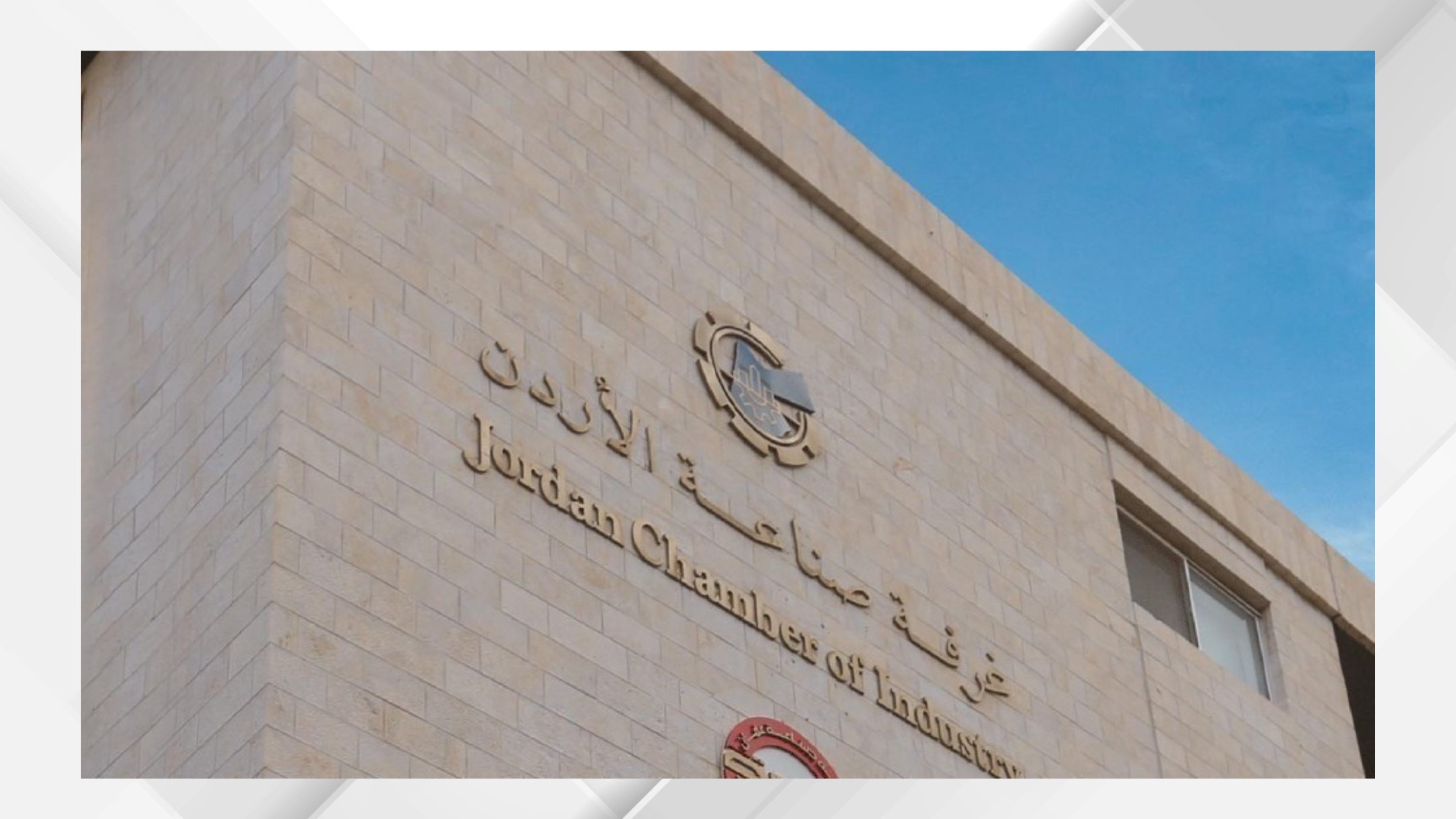
Amman, Aug. 3 (Petra) — The Jordan Chamber of Industry (JCI) said
the government’s continued adoption of investment incentives and
supportive policies for the industrial sector will strengthen
investor confidence and further position Jordan as an attractive
destination for industrial investment.
JCI President Fathi Al-Jaghbir told the Jordan News Agency (Petra)
that the package of decisions approved by the Council of Ministers on
Sunday builds on a series of government measures introduced in recent
years to support industrial growth and improve the sector’s
competitiveness.
The Cabinet approved granting Al Rawda Industrial City, located
within the Ma’an Development Area, the same investment incentives
available to the industrial cities of Karak and Tafilah. It also
extended, for three additional years, reduced industrial land prices
in the industrial cities of Madaba, Tafilah and Salt to enable
existing companies to complete production projects, sustain
investments and support economic growth.
In addition, the Cabinet approved exempting imported and locally
purchased inputs and materials used in semiconductor manufacturing
from sales tax, customs duties and other fees.
Al-Jaghbir said the decisions would enhance the competitiveness of
Jordan’s industrial sector while encouraging investment in the
governorates, reflecting the government’s commitment to implementing
the Economic Modernization Vision, which identifies industry as a key
driver of economic growth, exports, investment and job creation.
He said the expanded incentives demonstrate growing government
commitment to creating a more attractive industrial investment
environment by reducing investment and production costs and extending
incentives to additional industrial cities, helping direct
investments toward the governorates and promote more balanced
economic development.
According to Al-Jaghbir, granting Al Rawda Industrial City the same
incentives as Karak and Tafilah, together with extending reduced land
prices in Madaba, Salt and Tafilah, sends a positive signal that
Jordan remains committed to enhancing its investment climate and
improving the competitiveness of its governorates.
He said the measures are expected to encourage new industrial
projects, support the expansion of existing investments, increase
production capacity and create additional employment opportunities.
Al-Jaghbir added that reducing capital and operating costs would
directly improve the competitiveness of Jordanian products in local
and international markets while strengthening manufacturers’ ability
to expand exports amid increasing regional and global competition.
He described the exemption of semiconductor manufacturing inputs from
taxes and duties as a strategic measure that aligns with the Economic
Modernization Vision’s objective of attracting high-value,
technology-based industries and promoting innovation-driven
manufacturing.
The decision, he said, would also strengthen Jordan’s integration
into regional and global value chains, particularly in engineering,
electronics, electrical industries, medical devices and other sectors
that depend on semiconductor technologies.
Al-Jaghbir said the incentives are expected to encourage
international manufacturers and suppliers to establish production
facilities in Jordan, facilitate technology transfer, increase local
value added and support the development of more advanced and globally
competitive industries.
He expressed hope that the latest decisions would represent another
step in a broader reform agenda aimed at further improving the
business environment, strengthening industrial competitiveness,
increasing exports and deepening industrial value chains across key
sectors.
//Petra// RZ