
Saudi Arabia’s Voluntary Carbon Market Fuels the Shift to a Low-Carbon

Under UAE President’s directives, UAE launches urgent relief response for Ghana flood victims

Combating Desertification and Drought: Qatar a Model in Preserving Natural Resources, Establishing Environmental Stability

UAE allocates US$30 million for emergency humanitarian response in El Obeid, calls for civilian protection, safe humanitarian aid access in Sudan

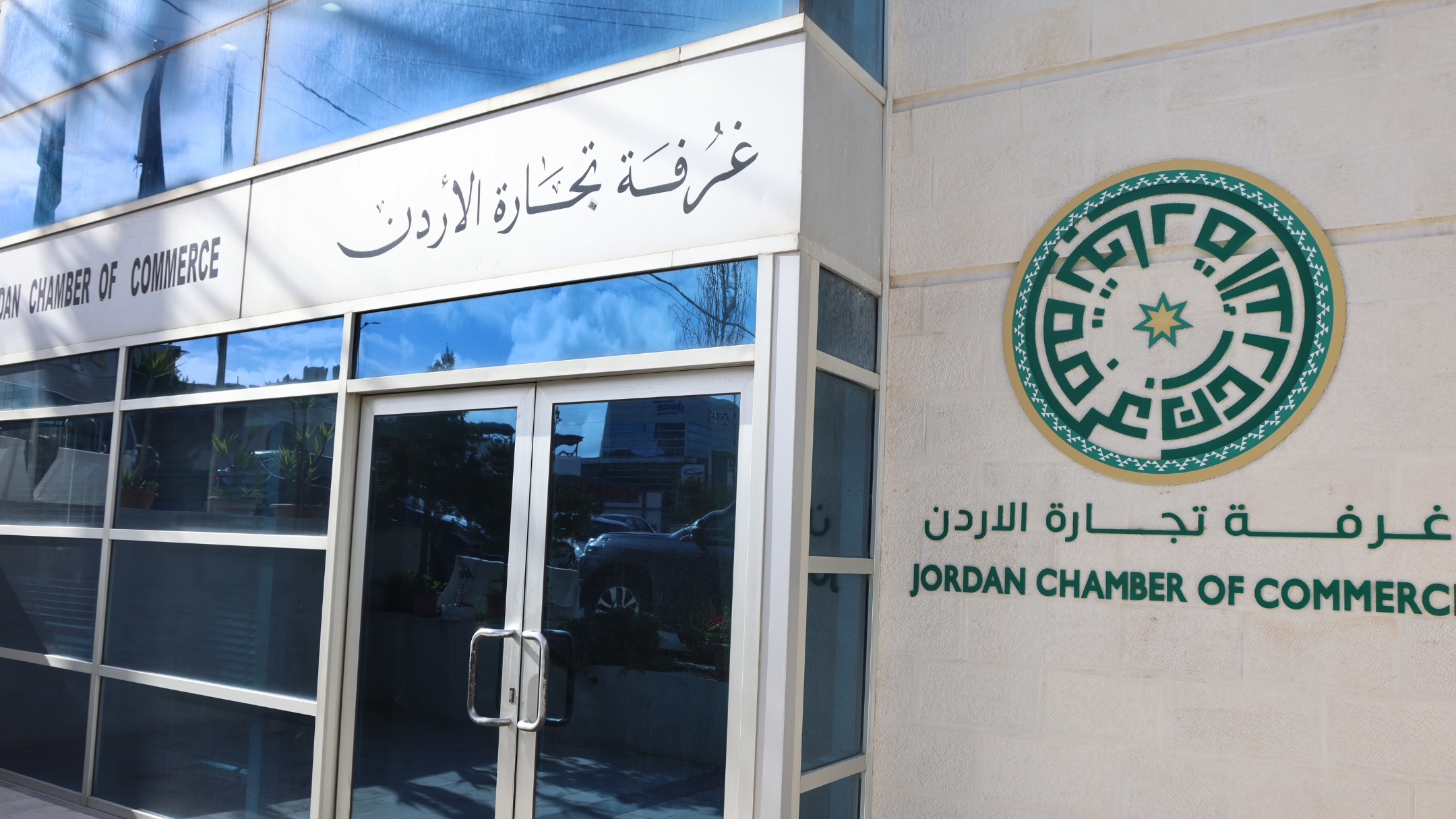
Amman, Aug. 16 (Petra) — Jordanian and Pakistani business chambers
have agreed to establish a joint business council as part of a
broader push to expand bilateral trade, unlock investment
opportunities and build direct partnerships between companies in the
two countries.
The Jordan Chamber of Commerce (JCC) and the Federation of Pakistan
Chambers of Commerce and Industry (FPCCI) signed a memorandum of
understanding establishing an institutional framework for cooperation
across trade, investment, industry and technology.
Signed through an exchange process by JCC President Khalil Haj Tawfiq
and FPCCI President Atif Ikram Sheikh, the agreement provides for
exchanging information on commercial and investment opportunities,
promoting joint ventures, facilitating business delegations and
organizing meetings, events and participation in exhibitions.
At the center of the agreement is the creation of the
Jordanian-Pakistani Business Council, which will serve as a permanent
private-sector platform to identify priority sectors and viable
investment and trade opportunities, connect businesses and investors,
and follow up on joint projects and initiatives.
Haj Tawfiq said the agreement is intended to translate the two
countries’ longstanding political and historical relations into
stronger economic, commercial and investment partnerships.
He described Pakistan as a large market with substantial industrial
and production capacity, while Jordan offers a strategic location, an
investment environment and a network of trade agreements that provide
access to regional and international markets.
These complementary advantages could support joint ventures extending
beyond traditional merchandise trade, he said.
Haj Tawfiq identified fertilizers, phosphate, potash, chemicals,
pharmaceuticals, food and agricultural products as sectors with
potential for expanding Jordanian exports to Pakistan.
Jordan, meanwhile, could tap Pakistan’s capabilities in textiles,
food manufacturing and information technology, among other sectors,
to develop joint investment and industrial projects.
Food security is another potential area of cooperation. Haj Tawfiq
said Pakistan’s agricultural and production capacity could help
Jordan diversify its food import sources and strengthen the
resilience and sustainability of supply chains.
He called for direct, long-term relationships between exporters and
importers in both markets to capitalize on these opportunities.
Current bilateral trade remains below the potential of the two
economies, Haj Tawfiq said, underscoring the need to intensify
private-sector engagement, exchange business delegations, hold
specialized sectoral meetings and address barriers that constrain
trade and investment flows.
He said the new business council will be a key mechanism for turning
the MoU into tangible economic activity by drawing up priority
sectors, identifying commercially viable opportunities, linking
Jordanian and Pakistani companies directly and following up on
projects agreed by both sides.
The chamber views Pakistan both as a promising destination for
Jordanian exports and as a strategic economic partner for
diversifying imports, strengthening food security and pursuing
industrial and technology partnerships, he added.
//Petra// RZ