Saudi Arabia’s Voluntary Carbon Market Fuels the Shift to a Low-Carbon

Under UAE President’s directives, UAE launches urgent relief response for Ghana flood victims

Combating Desertification and Drought: Qatar a Model in Preserving Natural Resources, Establishing Environmental Stability
UAE allocates US$30 million for emergency humanitarian response in El Obeid, calls for civilian protection, safe humanitarian aid access in Sudan

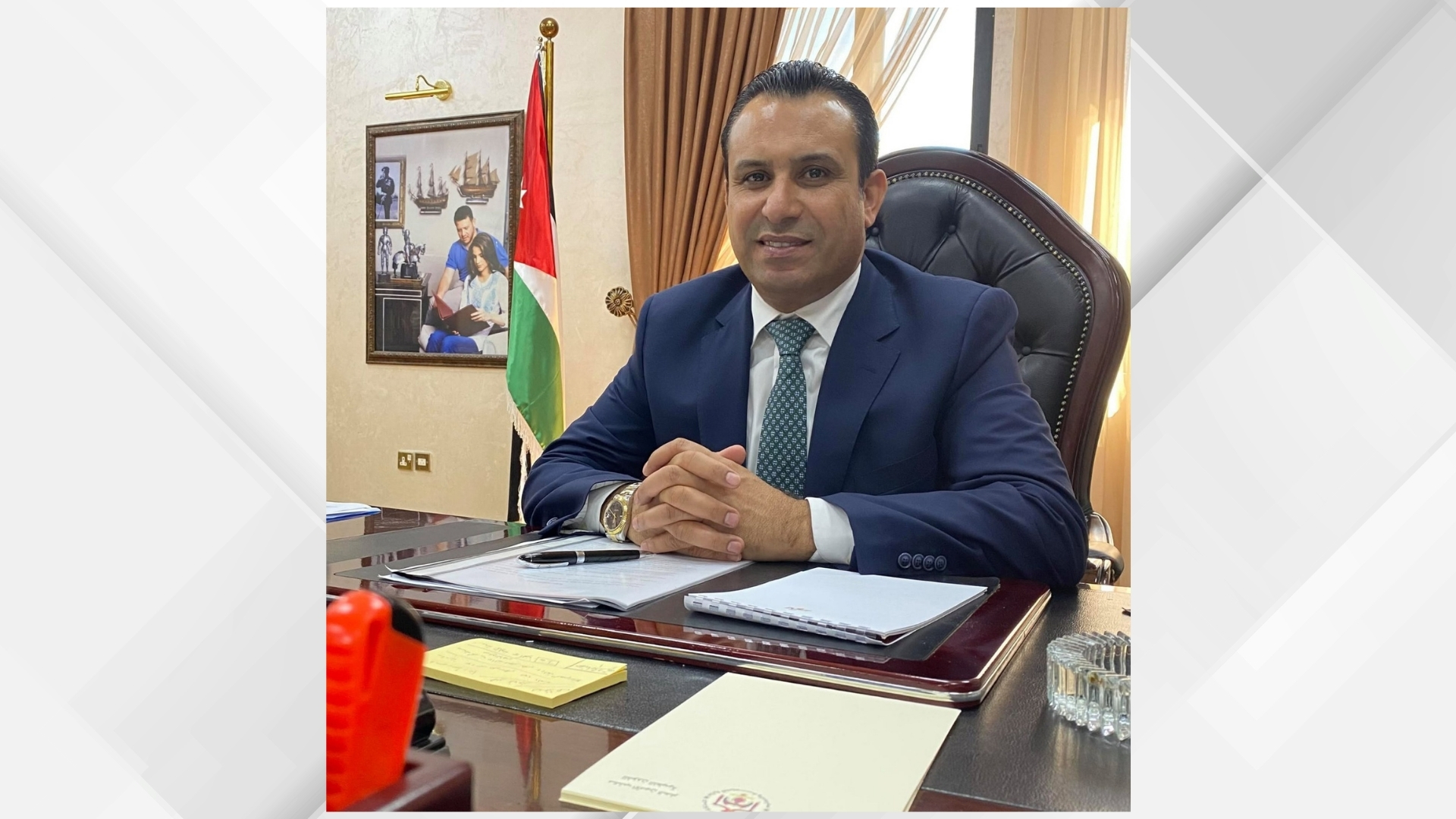
Amman, Aug. 24 (Petra) — The Ministry of Education and Human
Resources Development has expanded school infrastructure and reduced
reliance on rented buildings over the past two years, as part of
efforts to improve the educational environment, according to
Secretary-General Nawaf Ajarmeh.
Ajarmeh said the new academic year began with regular educational
operations and without shortages of textbooks or desks, or problems
related to student admissions. He credited educational and
administrative staff with ensuring preparations were in place for the
start of the school year.
He said the education sector had received increased government
support over the past two years, enabling the ministry to implement
infrastructure projects across the Kingdom. During the past year, the
ministry received 86 new schools, while construction and expansion
works were carried out at a cost of about JD89 million.
Maintenance work was completed at 484 schools at a cost of
approximately JD16 million, bringing total spending on the projects
to around JD185 million.
The ministry has also worked to reduce its dependence on rented
school buildings. Ajarmeh said their number fell from about 776 to
606 over the past two years, resulting in the discontinuation of
around 170 rented schools. He said the move would help provide more
suitable and sustainable conditions for students and teachers.
Ajarmeh said the figures reflect changes in school facilities and are
part of broader efforts to improve the quality of education and
provide appropriate conditions for students and teachers.
He also noted that Prime Minister Jafar Hassan had made field visits
to several schools during the year, saying the visits reflected
government attention to the education sector and its needs.
Ajarmeh said the progress achieved over the past two years was
evident both in the reported figures and on the ground. He attributed
the developments in part to government support and expressed hope
that such support would continue, allowing the ministry to further
develop schools and improve the educational environment.
Regarding support for teachers, Ajarmeh highlighted the increase in
the allocation for the children of teachers from 5 percent to 10
percent. He said the measure had benefited thousands of teachers and
their children and reflected the state’s appreciation of teachers’
role in educating future generations and supporting the education
process.
Ajarmeh also extended his greetings to teachers on the occasion of
the new academic year, affirming that Jordanian teachers remain a key
part of efforts to develop education and build students’ future.
//Petra//WH