Jordan’s Q2 2026 GDP Expands 3.0%, Outperforming Regional Headwinds, International Forecasts
ENV-KUWAIT-SUSTAINABLITYKuwait strengthens environmental sustainability through strategic initiativesBy Zahra Al-Kadhmi

HLT-KUWAIT-SURGERYKuwait advances health sector with robotic, remote surgeryBy Mohammad Al-Moseb

Saudi Arabia’s Voluntary Carbon Market Fuels the Shift to a Low-Carbon

Amman, June 9 (Petra) — The Ministry of Political and Parliamentary
Affairs on Tuesday launched the “Digital Safety for Political
Parties” project in cooperation with the Information and Research
Center – King Hussein Foundation.
The project, implemented in cooperation with SecDev, aims to
strengthen political parties’ readiness to confront digital
challenges, protect their data and information, and improve the
efficiency of their staff in managing their digital presence safely
and effectively.
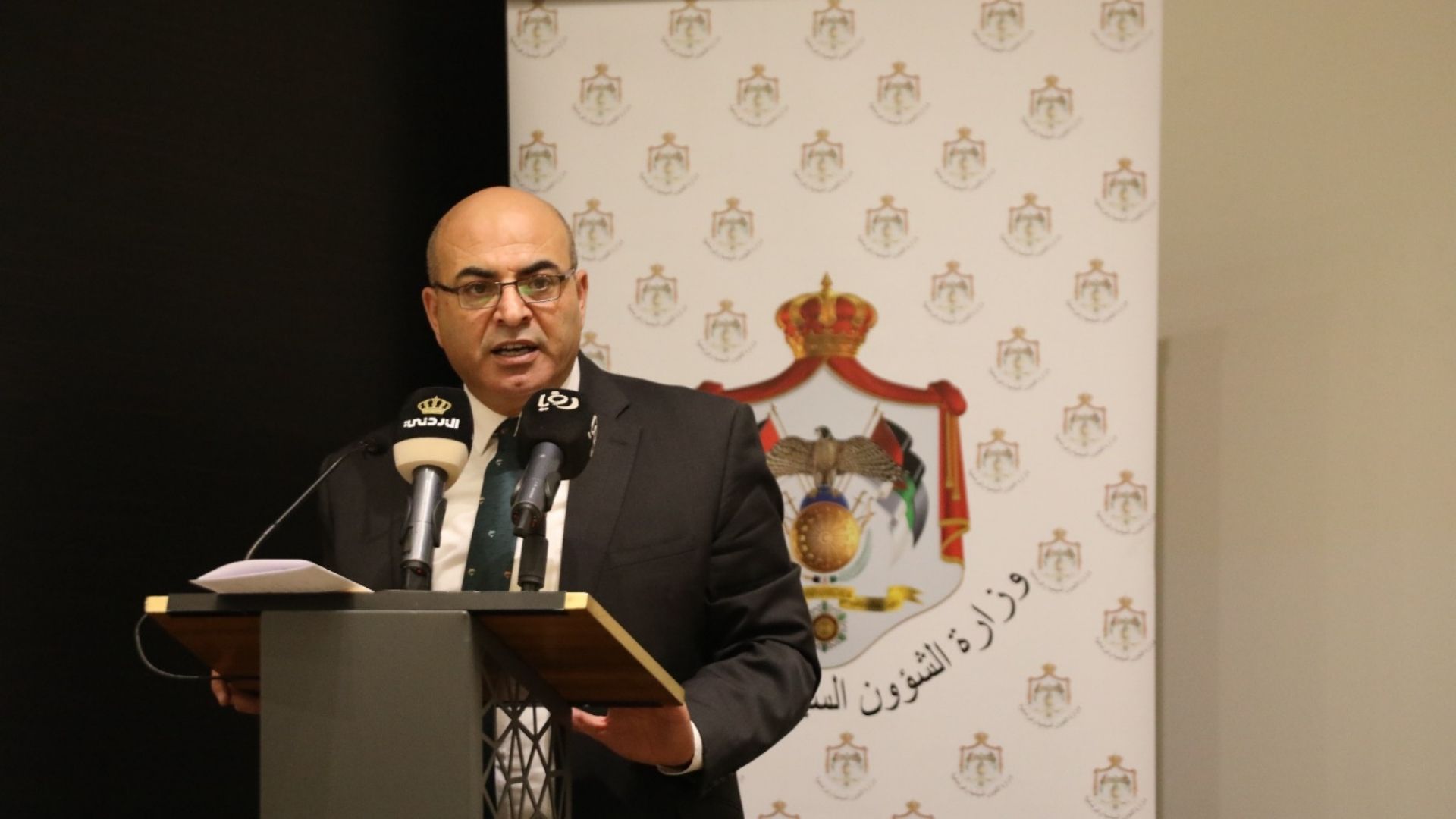
During the ceremony, Secretary-General of the ministry Ali Khawaldeh
said political modernization is not limited to legislation and laws,
but also requires strengthening a culture of institutional teamwork
based on clear principles, values, and best practices, foremost
effective communication. He said the project comes within the
framework of the national vision for political modernization, which
views strong and effective political parties as a key pillar of
modern democratic life.
Khawaldeh stressed the need to build party capacity and enable
political parties to operate efficiently and safely in the digital
environment, allowing them to reach young people through their
language and tools and compete in a secure and professional digital
space. He said youth are at the core of the political modernization
process.
Speaking in the presence of representatives of political parties,
local and international partners, and relevant stakeholders,
Khawaldeh highlighted the importance of improving parties’ digital
readiness to strengthen their ability to communicate effectively with
citizens and build a more professional and credible political
discourse.
He noted that digital platforms and modern technologies have become
central tools for political and party work, particularly in engaging
young people, promoting their participation in party life, and
enabling them to choose parliamentary representatives based on
programs. This, he said, makes digital safety essential to protecting
all aspects of life within society.
Director of the Information and Research Center Ayman Halaseh said
the project is a practical step toward strengthening parties’ ability
to manage their digital presence responsibly and safely, support
public trust, promote organized political participation, and protect
the digital political space from risks that could affect party and
institutional work.
Halaseh said the project comes at a time when political parties are
playing an expanding role in public life, following the outcomes of
political modernization, which have widened the space for political
participation, particularly for youth and women.
He added that the cooperation reflects a partnership between national
and international institutions to support political modernization and
enhance the capacity of political actors to keep pace with digital
transformations, contributing to a more institutionalized and
effective party life in Jordan.
Halaseh noted that much of party work now takes place through digital
platforms, official pages, and communication groups, making digital
safety a core part of parties’ institutional readiness and their
ability to protect members, messaging, and public trust.
Regional Director for the Middle East and North Africa at the
International Development Research Center, Wessam El Beih, stressed
the importance of studies and research in supporting the
sustainability of party work. She said data protection and stronger
institutional structures for political parties are essential to
developing political work and improving its effectiveness.
Lina Momani, regional partnerships lead and expert on
technology-facilitated violence against women at the SecDev
Foundation, said digital harm is not confined to cyberspace, but also
affects individuals’ public and political participation.
Momani said digital safety has become part of personal safety and a
prerequisite for effective political participation. She stressed the
importance of clear policies, documentation, reporting, and response
mechanisms, alongside technical protection and institutional support.
Sawsan Zaydeh, head of the Information and Research Center – King
Hussein Foundation’s research department, presented the project’s
objectives, proposed work mechanisms, and next steps. She said the
initiative aims to strengthen political parties’ digital security and
improve their readiness to deal with cyber risks and challenges
related to data and information protection.
Zaydeh said the project focuses on building the capacity of party
leaders and staff in protecting digital accounts, using social media
safely, and countering phishing, hacking attempts, and digital
disinformation.
//Petra// AO