Saudi Arabia’s Voluntary Carbon Market Fuels the Shift to a Low-Carbon

Under UAE President’s directives, UAE launches urgent relief response for Ghana flood victims
Combating Desertification and Drought: Qatar a Model in Preserving Natural Resources, Establishing Environmental Stability

UAE allocates US$30 million for emergency humanitarian response in El Obeid, calls for civilian protection, safe humanitarian aid access in Sudan

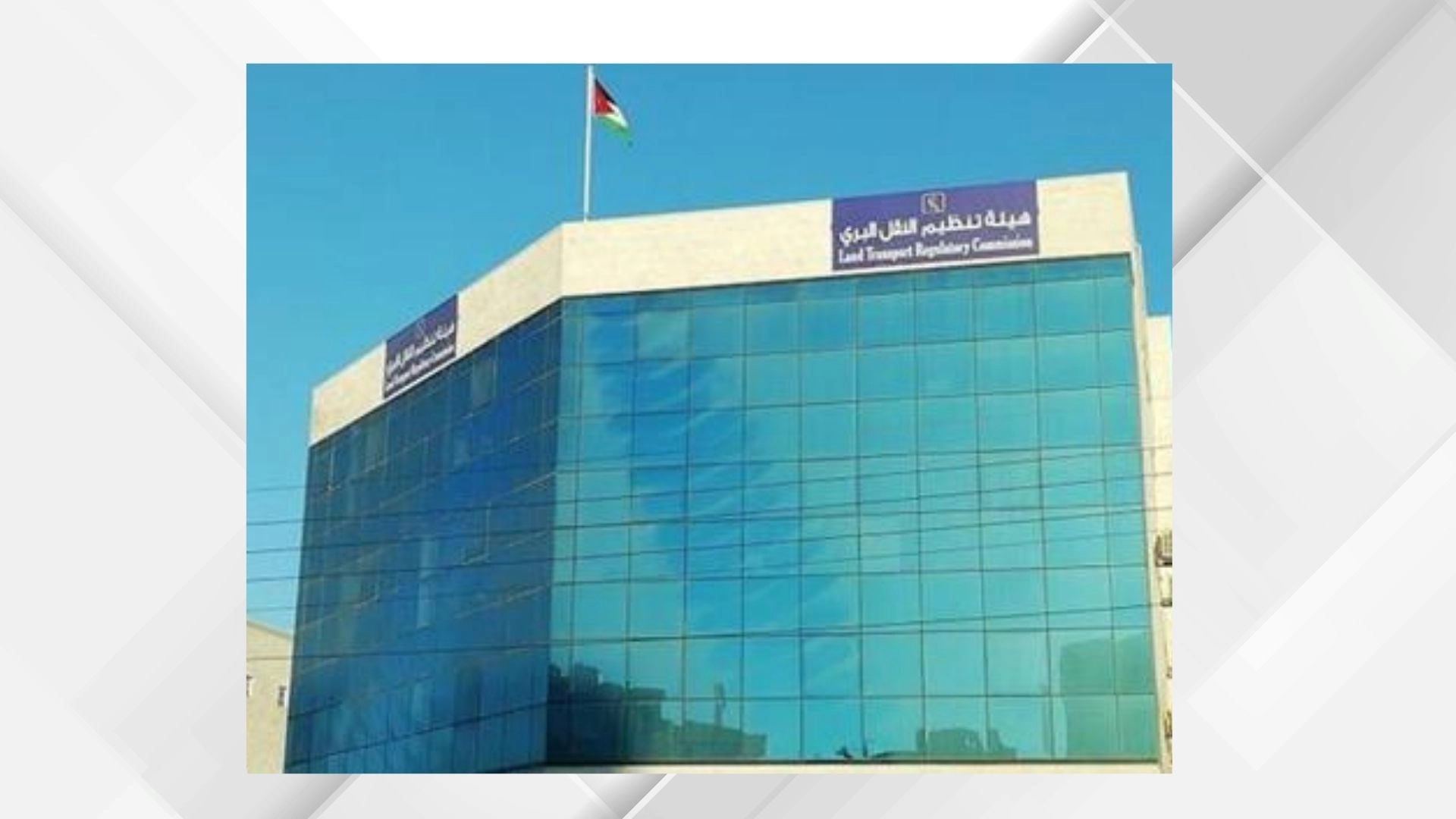
Mafraq, August 20 (Petra) — Trial operation of regular public
transport routes linking Mafraq with Zarqa and Jerash began Thursday
as part of the second phase of the inter-governorate public transport
development project.
The launch, attended by relevant authorities in Mafraq Governorate,
aims to provide regular, safe, and reliable transportation services,
improve connectivity between governorates, and enhance the efficiency
of the public transport network.
Land Transport Regulatory Commission (LTRC) spokesperson and Director
of the Media and Communication Unit Abla Washah underlined Mafraq’s
strategic importance in the Kingdom’s public transport development
plans, given its geographical location and role in linking
neighboring governorates, specifically Zarqa and Jerash. She noted
that the two routes will facilitate mobility for citizens and Al
al-Bayt University students while strengthening connectivity between
Mafraq and the two governorates.
Washah explained that the trial operation includes 44 large buses on
the Mafraq-Zarqa route and 11 medium-sized buses on the Mafraq-Jerash
route.
She said the fare on the Mafraq-Zarqa route is JD1.20, while Al
al-Bayt University students will pay 80 piasters. On the
Mafraq-Jerash route, the fare is 95 piasters, while university
students will pay 47.5 piasters.
The commission has also allocated 4,000 free cards for users of the
Mafraq-Zarqa route and 1,000 for the Mafraq-Jerash route as part of
efforts to support Al al-Bayt University students and provide them
with accessible and regular transportation.
Washah added that both routes will operate using integrated
intelligent transportation systems, including surveillance cameras,
electronic tracking, electronic payment, and free Wi-Fi, to enhance
safety and security, improve monitoring of bus movements and trips,
and increase operational efficiency and convenience for passengers.
The LTRC Director General Riyad Kharabsheh highlighted the
commission’s efforts to improve the efficiency and quality of public
transport through modern vehicles and smart systems, stressing the
importance of cooperation with local authorities and stakeholders in
ensuring the project’s success.
He added that the commission will monitor the performance of the two
routes throughout the trial period, assessing passenger numbers and
demand and gathering feedback from passengers, operators and local
authorities.
The trial phase, he noted, will help identify challenges, assess
passenger needs and determine peak travel times and other operational
requirements before the routes enter full operation.
//Petra// AJ