Saudi Arabia’s Voluntary Carbon Market Fuels the Shift to a Low-Carbon

Under UAE President’s directives, UAE launches urgent relief response for Ghana flood victims

Combating Desertification and Drought: Qatar a Model in Preserving Natural Resources, Establishing Environmental Stability

UAE allocates US$30 million for emergency humanitarian response in El Obeid, calls for civilian protection, safe humanitarian aid access in Sudan

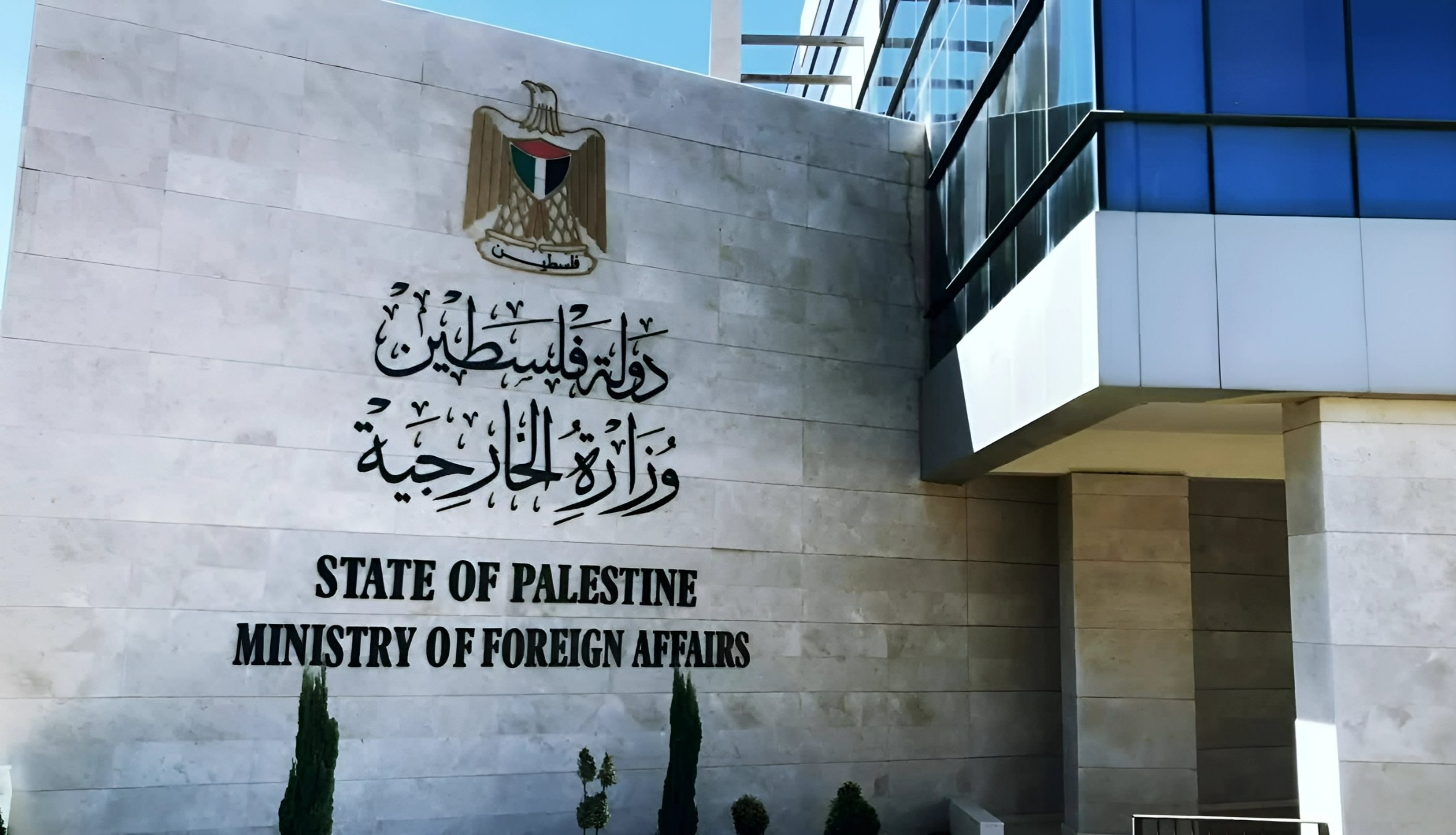
Ramallah, July 22 (QNA) – Palestinian official institutions hailed the unanimous adoption by the UNESCO World Heritage Committee of four decisions concerning the State of Palestine.
The move came during the Committee’s 48th session in the Republic of Korea, addressing the state of conservation of Palestinian World Heritage properties inscribed on the List of World Heritage in Danger.
The decisions cover the Old City of Jerusalem and its Walls, the Old Town of Hebron, Saint Hilarion Monastery (Tell Umm Amer) in the Gaza Strip, and Palestine: Land of Olives and Vines -Cultural Landscape of Southern Jerusalem, Battir, while maintaining these properties on the List of World Heritage in Danger and reaffirming Jerusalem’s outstanding religious and cultural significance.
The Committee reiterated the nullity of all legislative and administrative measures taken by the Israeli occupying authorities to alter the character or the legal and historical status of these World Heritage properties.
For its part, the Palestinian Ministry of Foreign Affairs said the move underscores the success of Palestinian diplomatic efforts undertaken in lockstep with Jordan, the Arab Group, and supporting countries.
The ministry affirmed that the decisions come on the heels of Israel’s persistent, systematic, and grave violations, as the occupying Power, against Palestinian World Heritage properties and cultural heritage, including attempts at falsification, distortion, and desecration, as well as what it described as a blatant violation of UNESCO’s mandate.
The violations, it said, include those in occupied Jerusalem, including undermining freedom of worship, freedom of access, and the right to education, alongside the continued incursions by extremist settlers into Al-Aqsa Mosque.
The ministry warned of an escalating pattern of violations as part of a systematic policy aimed at imposing a temporal and spatial division of Al-Aqsa Mosque, altering the historical, legal, and demographic status quo of East Jerusalem, and targeting Islamic and Christian holy sites.
It also underscored the importance of dispatching Reactive Monitoring missions to the Old City of Jerusalem and its Walls and the Old Town of Hebron to ensure an independent professional assessment and provide the recommendations necessary to safeguard the Outstanding Universal Value of these World Heritage properties.
Meanwhile, the Palestinian Ministry of Awqaf and Religious Affairs welcomed the four decisions as a new legal and diplomatic milestone for the Palestinian cause, particularly as they maintain the Old City of Jerusalem and the Old Town of Hebron on the List of World Heritage in Danger.
The ministry said the decisions reiterate that all Israeli measures aimed at altering the historical and legal status of the holy sites are null and void.
Palestine’s Permanent Delegate to UNESCO, Ambassador Adel Attieh, cautioned against the continued Israeli violations against Palestinian heritage sites, particularly in Jerusalem and Hebron.
He urged UNESCO and its member states to shoulder their responsibilities and implement the decisions to ensure the protection and preservation of Palestinian cultural heritage for generations to come.
The Palestinian Ministry of Tourism and Antiquities also welcomed the decision, saying the move renews the international community’s commitment to protecting Palestinian cultural heritage.
The ministry said it will continue working with UNESCO and the States Parties to follow up on the implementation of the decisions, document the violations, and mobilize the international support required to safeguard Palestinian World Heritage properties.
The Jerusalem Governorate also welcomed the decision, saying it reaffirms the holy city’s historical, cultural, and humanitarian significance and acknowledges the continued risks it faces as a result of Israeli occupation policies and measures in occupied Jerusalem.
The governorate added that the decision should serve as a catalyst for effective international action that goes beyond resolutions and recommendations.
It stressed that Jerusalem requires tangible protection on the ground to halt occupation policies aimed at altering its identity, and heritage, while ensuring respect for international law and relevant United Nations resolutions.
The governorate stressed that what matters most is countering an entrenched reality driven by settlement expansion, forced displacement, home demolitions, land and property seizures, intensified incursions into Al-Aqsa Mosque, restrictions on worshippers, and the targeting of Palestinian institutions as part of a systematic policy aimed at imposing new realities and altering the city’s demographic, geographic, and cultural fabric.
President of the Palestinian National Council Rawhi Fattouh also welcomed the UNESCO decisions, emphasizing that they reaffirm the historical and legal status of Jerusalem and Hebron and send a clear message that attempts by the occupation to alter the cities’ historical and cultural character and judaize their landmarks are a non-starter.
He added that maintaining the Old City of Jerusalem and its Walls and the Old Town of Hebron on the List of World Heritage in Danger reaffirms that these Palestinian World Heritage properties remain under international protection and that occupation policies based on Judaization, land seizure, and the imposition of a fait accompli will not undermine the rights of the Palestinian people or their historical identity. (QNA)