Saudi Arabia’s Voluntary Carbon Market Fuels the Shift to a Low-Carbon

Under UAE President’s directives, UAE launches urgent relief response for Ghana flood victims

Combating Desertification and Drought: Qatar a Model in Preserving Natural Resources, Establishing Environmental Stability
UAE allocates US$30 million for emergency humanitarian response in El Obeid, calls for civilian protection, safe humanitarian aid access in Sudan

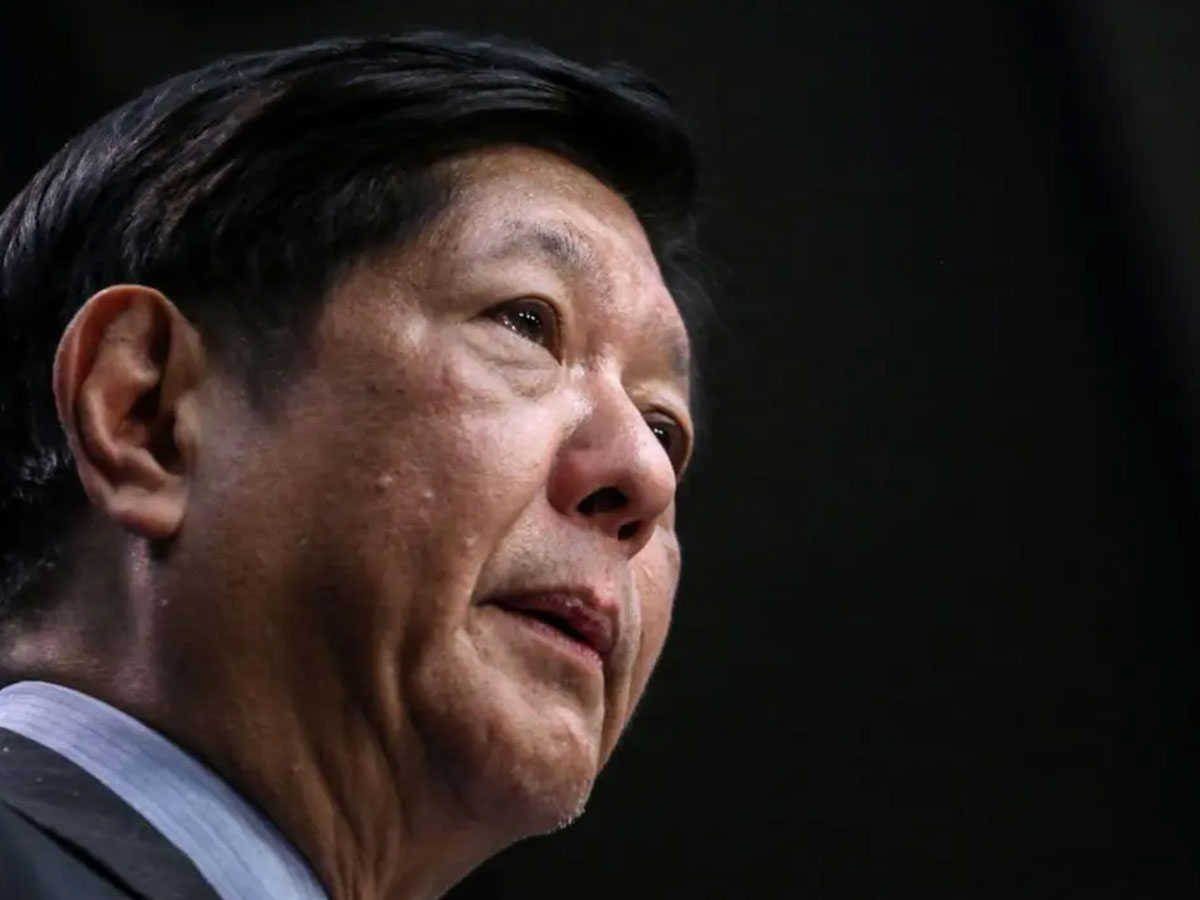
Manila, March 24 (QNA) – Philippine President Ferdinand Marcos Jr. declared a national energy emergency on Tuesday, citing what he described as an “imminent danger” to the country’s energy supply stemming from the conflict in the Middle East.
In an executive order, Marcos said the crisis had created uncertainty in global energy markets, triggered supply chain disruptions, and driven volatility and upward pressure on international oil prices, posing a threat to the country’s energy security.
He said a committee had been formed to ensure the orderly movement, supply, distribution and availability of fuel, food, medicines, agricultural products and other essential goods.
“The declaration of a state of national energy emergency will enable the government to implement responsive and coordinated measures under existing laws to address the risks posed by disruptions in the global energy supply and the domestic economy,” Marcos said.
The emergency, which will remain in effect for one year, authorizes the government to procure fuel and petroleum products to ensure sufficient and timely supply, including the option of advance payments if necessary.
Energy Secretary Sharon Garin said the Philippines currently has around 45 days of fuel supply based on current consumption levels, adding that the government is working to secure an additional one million barrels of oil to bolster its reserves. (QNA)