
Saudi Arabia’s Voluntary Carbon Market Fuels the Shift to a Low-Carbon

Under UAE President’s directives, UAE launches urgent relief response for Ghana flood victims
Combating Desertification and Drought: Qatar a Model in Preserving Natural Resources, Establishing Environmental Stability
UAE allocates US$30 million for emergency humanitarian response in El Obeid, calls for civilian protection, safe humanitarian aid access in Sudan

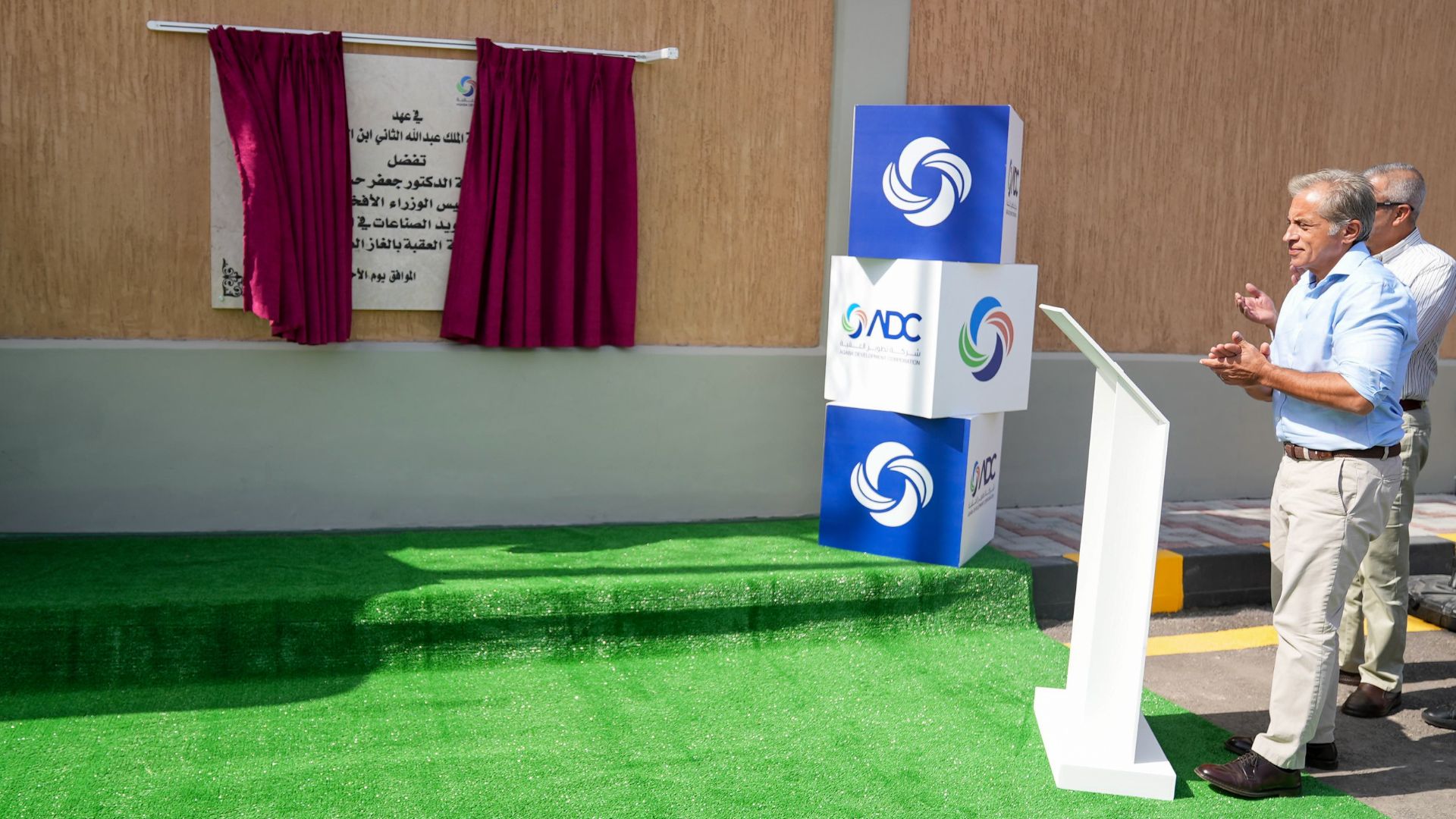
Aqaba, July 26 (Petra) — Prime Minister Jafar Hassan on Sunday
inaugurated two natural gas stations in Aqaba and laid the foundation
stone for a major gasification project, as part of the government’s
strategy to reduce energy costs for industries by 35 to 60 percent,
strengthen energy security and enhance the competitiveness of the
national economy.
The prime minister inaugurated a natural gas station in Quweira
Industrial City, built at a cost of approximately JD8 million with an
initial capacity of 30,000 cubic meters per day that can be expanded
to 90,000 cubic meters per day.
He also inaugurated a second natural gas station in Aqaba’s Southern
Industrial Zone, completed in about 10 months at a cost of JD3.5
million, several months ahead of the original 18-month construction
schedule. The project followed the laying of its foundation stone by
the prime minister in September last year.
The projects are part of the government’s efforts to support national
industries, lower production costs, expand exports and create a more
competitive environment for attracting new investments.
The Quweira Industrial City was developed over an area of 1,800
dunams under a 2013 joint development agreement between the Aqaba
Special Economic Zone Authority, the Aqaba Development Corporation
and the PBI Aqaba. Infrastructure work for the first phase, covering
more than 300 dunams, has been completed, including a pressure
measurement and reduction station connected to the Arab Gas Pipeline
and the national natural gas network with a capacity exceeding 90,000
cubic meters per hour and an investment of JD25 million.
According to a statement, supplying industrial cities with natural
gas is a strategic project that supports national industry, boosts
competitiveness, promotes environmental sustainability and
contributes to the goals of the Economic Modernization Vision by
stimulating growth and creating jobs.
The two stations will provide factories in Aqaba with clean and
sustainable energy, enabling manufacturers to expand production,
reduce operating costs and attract additional investment.
During the visit, Hassan also laid the foundation stone for the
onshore gasification unit project, which will convert liquefied
natural gas (LNG) into gaseous form, store it and transport it
through pipelines.
The project, estimated to cost around JD90 million, is expected to be
completed by the middle of next year with a capacity of up to 700
million cubic feet per day as part of the Sheikh Sabah Al-Ahmad
Al-Jaber Al-Sabah LNG Terminal Development Project.
The onshore gasification unit will serve as a strategic alternative
to floating storage and regasification units (FSRUs), expanding
Jordan’s energy infrastructure, increasing strategic reserves and
providing access to multiple LNG suppliers worldwide. It will also
ensure a sustainable fuel supply for electricity generation and
industrial use while reducing operating costs for the National
Electric Power Company (NEPCO).
The prime minister received a briefing from Aqaba Development
Corporation CEO Hussein Safadi on the three projects and their role
in strengthening energy security, diversifying energy sources,
reducing industrial energy costs and supporting investment.
Separately, Hassan visited the Aqaba Marine Reserve following its
inscription on the UNESCO World Heritage List. The UNESCO listing
recognizes the reserve’s exceptional marine biodiversity and its role
in conserving coral reefs, marine ecosystems and wildlife.
During the visit, he praised the efforts behind the achievement and
stressed the importance of building on the designation to strengthen
Aqaba’s tourism, environmental and economic standing.
Environment Commissioner of the ASEZA Nidal Awran briefed the prime
minister on the reserve, which is home to more than 150 coral
species, over 500 fish species and around 1,000 rare and endangered
marine species, making it one of the most biodiverse marine areas in
the region.
//Petra// AJ