Saudi Arabia’s Voluntary Carbon Market Fuels the Shift to a Low-Carbon

Under UAE President’s directives, UAE launches urgent relief response for Ghana flood victims

Combating Desertification and Drought: Qatar a Model in Preserving Natural Resources, Establishing Environmental Stability
UAE allocates US$30 million for emergency humanitarian response in El Obeid, calls for civilian protection, safe humanitarian aid access in Sudan

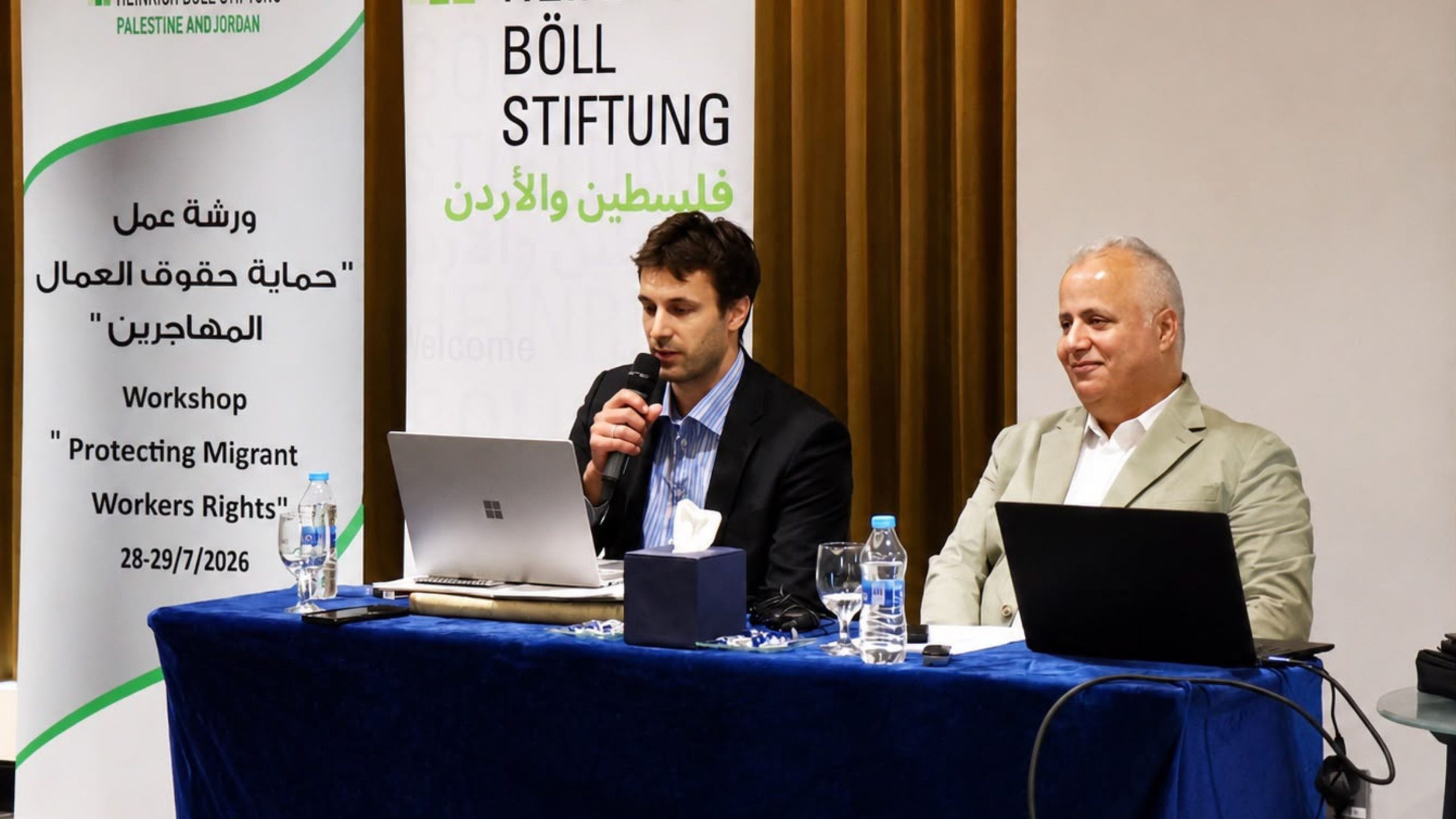
Amman, Aug. 4 (Petra) — The Adaleh Center for Human Rights Studies,
in cooperation with the Heinrich Böll Foundation’s Palestine and
Jordan Office, concluded a two-day specialized training program for
25 officers and personnel from the Public Security Directorate’s
(PSD) judicial police and field units to strengthen Jordan’s response
to human trafficking and forced labor crimes.
The program focused on enhancing the field and procedural skills of
security personnel in handling forced labor and human trafficking
cases, with particular emphasis on identifying hidden crimes in the
domestic and agricultural labor sectors in remote areas.
Speaking at the opening ceremony, Adaleh Center Chief Executive
Officer Asem Rababaa said the program builds on a long-standing
strategic partnership with the PSD. He described law enforcement
personnel as a cornerstone of Jordan’s criminal justice system and
the first line of protection for victims.
Heinrich Böll Foundation Palestine and Jordan Office Director
Aljoscha Albrecht underscored the importance of institutional
partnerships in advancing the rule of law. He reaffirmed the
foundation’s commitment to supporting national initiatives aimed at
protecting groups most vulnerable to exploitation and praised the
PSD’s professional field response to such cases.
The training included intensive sessions led by legal and human
rights experts and representatives from the Anti-Human Trafficking
Unit. The first day covered the legal definitions of human
trafficking and forced labor, field indicators of such crimes,
implementation of the National Referral Mechanism, victim
interviewing techniques and investigative procedures.
The second day concluded with discussions on the rights of domestic
and agricultural workers under Jordanian legislation, the challenges
they face, national protection mechanisms, and the integration of
trauma-informed approaches in responding to survivors.
//Petra// NQ