Saudi Arabia’s Voluntary Carbon Market Fuels the Shift to a Low-Carbon

Under UAE President’s directives, UAE launches urgent relief response for Ghana flood victims

Combating Desertification and Drought: Qatar a Model in Preserving Natural Resources, Establishing Environmental Stability
UAE allocates US$30 million for emergency humanitarian response in El Obeid, calls for civilian protection, safe humanitarian aid access in Sudan

Amman, Aug. 27 (Petra) — Jordanian university research centers face
significant shortages in funding, equipment and qualified personnel
despite a high level of alignment between their work and national
priorities, according to a new study released Thursday by the
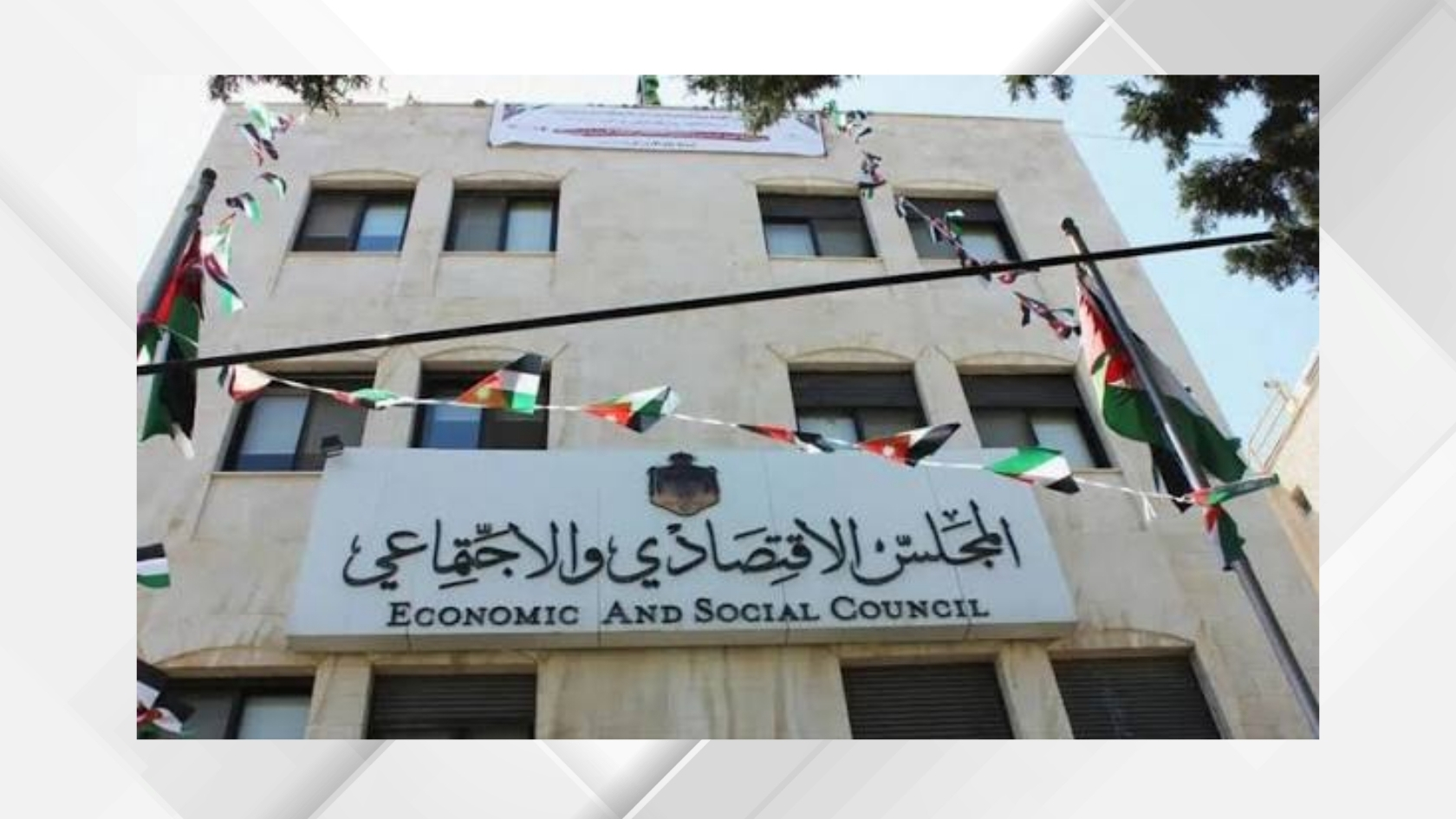
Economic and Social Council (ESC).
The study, titled “Research Centers in Jordanian Universities:
Reality, Challenges and Opportunities,” surveyed 30 centers to assess
their capabilities, infrastructure, partnerships and contribution to
development and public policymaking.
Results showed that 83.4 percent of the centers lack sufficient
equipment for research activities, while 53.3 percent operate without
independent premises.
Sustainable financing was identified as the leading challenge,
accounting for 30.9 percent of reported constraints. A shortage of
qualified research personnel and administrative and organizational
barriers were also among the main obstacles affecting the centers’
ability to expand their work.
Despite these constraints, the study found that 86.7 percent of
research centers reported alignment between their plans and outputs
and Jordan’s national priorities.
Links with businesses and international institutions were also
relatively strong. Some 63.3 percent of the centers reported
cooperation with the private sector, while around half have
international partnerships.
ESC President Musa Shteiwi said developing university research
centers requires sustainable funding, more flexible governance and
greater investment in research infrastructure and human resources.
He said the role of research centers should extend beyond producing
academic studies to translating findings into practical
recommendations and solutions that can support policymaking and help
direct resources toward higher-impact programs.
Shteiwi highlighted artificial intelligence, the digital economy,
climate change, water scarcity, energy and food security, and
changing labor market requirements as areas where stronger research
capacity is increasingly important.
The study also identified an imbalance in research priorities.
University centers tend to focus on public policy, economics, energy
and water, while relatively few specialize in social issues,
demographic trends and changes affecting families.
Shteiwi called for closer integration of social and economic research
to provide policymakers with a more comprehensive evidence base.
He identified three priorities for strengthening the sector:
diversifying funding and improving infrastructure and human
resources; expanding cooperation and the sharing of expertise, data
and equipment among research centers; and establishing stronger links
between research output and policymaking.
Reda Khawaldeh, head of the council’s specialist group representing
ministries and public institutions, said the findings indicate that
Jordan has an established research base, but its impact is
constrained by gaps in financing, equipment and staffing.
The study recommended establishing a national data portal containing
information on research centers, their specializations, capabilities,
projects and partnerships.
It also proposed introducing a unified set of key performance
indicators to track funding, equipment, partnerships, training and
institutional performance, alongside standardized mechanisms for
presenting research findings.
Another recommendation calls for establishing shared “Core
Facilities,” allowing universities to pool expensive research
equipment and make it available across institutions.
The study also urged greater access to sustainable domestic and
international funding, stronger partnerships with the private sector
and national and international institutions, and greater emphasis on
applied research.
Such measures, it said, could strengthen innovation, improve research
quality and increase the contribution of university research centers
to Jordan’s economic and social development and evidence-based
policymaking.
//Petra// RZ