Saudi Arabia’s Voluntary Carbon Market Fuels the Shift to a Low-Carbon

Under UAE President’s directives, UAE launches urgent relief response for Ghana flood victims

Combating Desertification and Drought: Qatar a Model in Preserving Natural Resources, Establishing Environmental Stability

UAE allocates US$30 million for emergency humanitarian response in El Obeid, calls for civilian protection, safe humanitarian aid access in Sudan

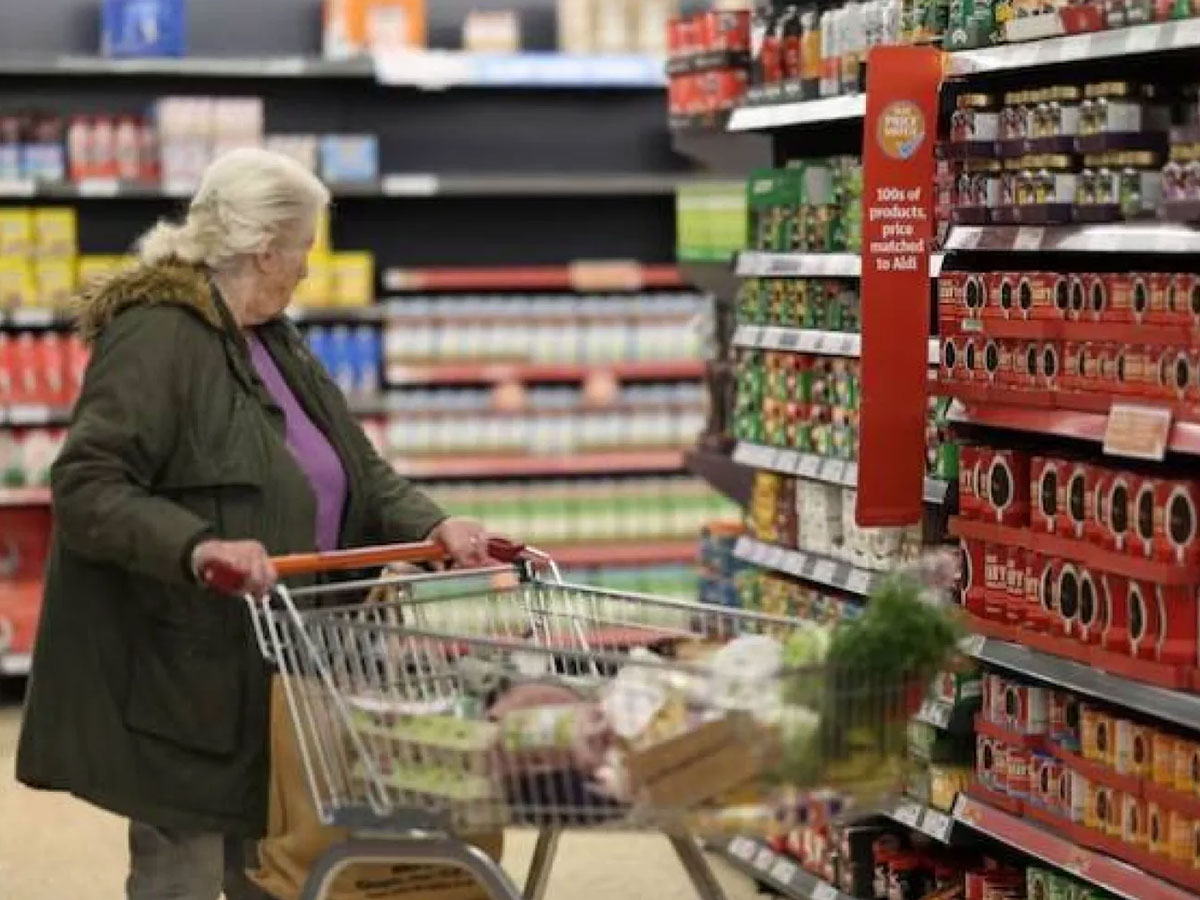
London, April 17 (QNA) – UK government officials have warned that the United Kingdom could face shortages of certain food items by the summer if the war in Iran continues, according to worst-case scenarios prepared by the government.
The BBC, citing a government source, reported that these plans take into account the possibility of a continued closure of the Strait of Hormuz, along with potential disruptions in carbon dioxide gas supplies. However, the source stressed that these scenarios fall within precautionary planning scenarios and not an actual expectation of coming food shortages.
In this context, officials from several government bodies, including the Prime Minister’s Office, the Treasury, and the Ministry of Defence, conducted a planning exercise to simulate the impact of a prolonged closure of the Strait of Hormuz on British industry. The exercise was based on the assumption of multiple simultaneous crises, including the strait remaining closed until June, the failure to reach a lasting peace agreement between the United States and Iran, and a technical fault at one of the UK’s main carbon dioxide plants.
Carbon dioxide is a vital component in food supply chains and the packaging of fresh meat and food products, where it helps limit bacterial growth and extend shelf life. It is also used in the production of carbonated beverages and in refrigeration systems.
Carbon dioxide’s importance was not limited only to the food sector, but extends to other critical areas such as surgical procedures, MRI imaging, and cooling nuclear power plants. The United Kingdom was one of the largest consumers of carbon dioxide in Europe.
The National Farmers’ Union has indicated that prices of some crops, such as cucumbers and tomatoes, may rise over the next six weeks, with expectations that costs for other crops and dairy products could increase over a period of three to six months. (QNA)