
Saudi Arabia’s Voluntary Carbon Market Fuels the Shift to a Low-Carbon

Under UAE President’s directives, UAE launches urgent relief response for Ghana flood victims

Combating Desertification and Drought: Qatar a Model in Preserving Natural Resources, Establishing Environmental Stability

UAE allocates US$30 million for emergency humanitarian response in El Obeid, calls for civilian protection, safe humanitarian aid access in Sudan

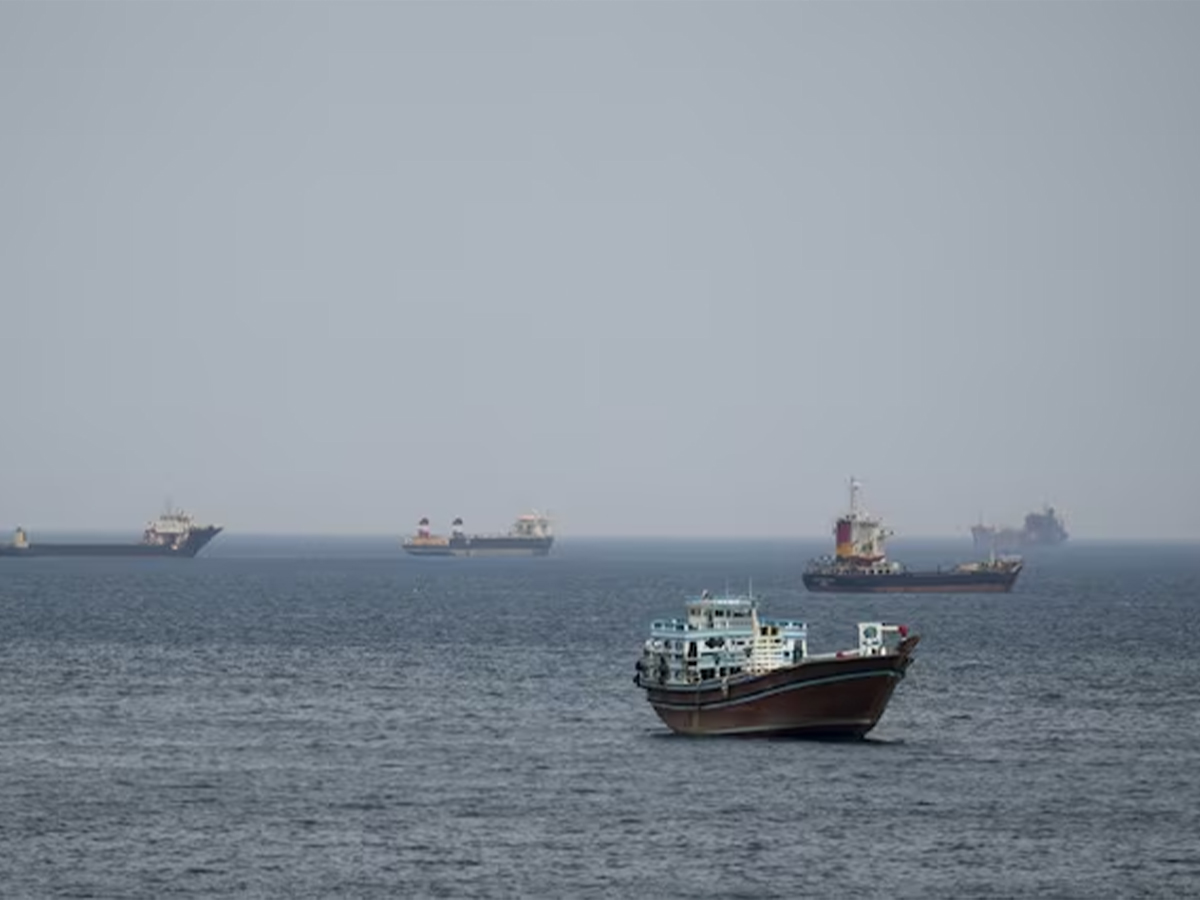
New York, August 29 (QNA) – The UN’s International Maritime Organization (IMO) said around 6,000 seafarers remain stranded in the Strait of Hormuz amid the US-Israeli-Iranian conflict that broke out on February 28.
IMO Secretary-General Arsenio Dominguez said that six months after the conflict began, up to 400 ships carrying around 6,000 seafarers remained unable to depart the Gulf safely. The number had previously stood at around 20,000 seafarers aboard 2,000 ships, while some vessels and their crews have since been able to leave the region.
He noted that the Strait of Hormuz, a vital international waterway through which around 20% of global oil supplies pass, remains largely closed to maritime traffic.
Josephine Latu-Sanft, an IMO spokesperson, said thousands of seafarers in the region continue to live and work under conditions of heightened risk and uncertainty.
She added that the impacts of the crisis were grave in both the short and long term, warning that disruptions to vital supply chains for fuel, fertilizers and other essential commodities would have repercussions for communities and economies around the world.
The IMO stressed the need for renewed political will and cooperation to ensure the right of transit passage through the Strait of Hormuz. It said it had so far verified at least 70 attacks on international shipping since the conflict began, resulting in the deaths of 19 seafarers. (QNA)