Saudi Arabia’s Voluntary Carbon Market Fuels the Shift to a Low-Carbon

Under UAE President’s directives, UAE launches urgent relief response for Ghana flood victims

Combating Desertification and Drought: Qatar a Model in Preserving Natural Resources, Establishing Environmental Stability
UAE allocates US$30 million for emergency humanitarian response in El Obeid, calls for civilian protection, safe humanitarian aid access in Sudan

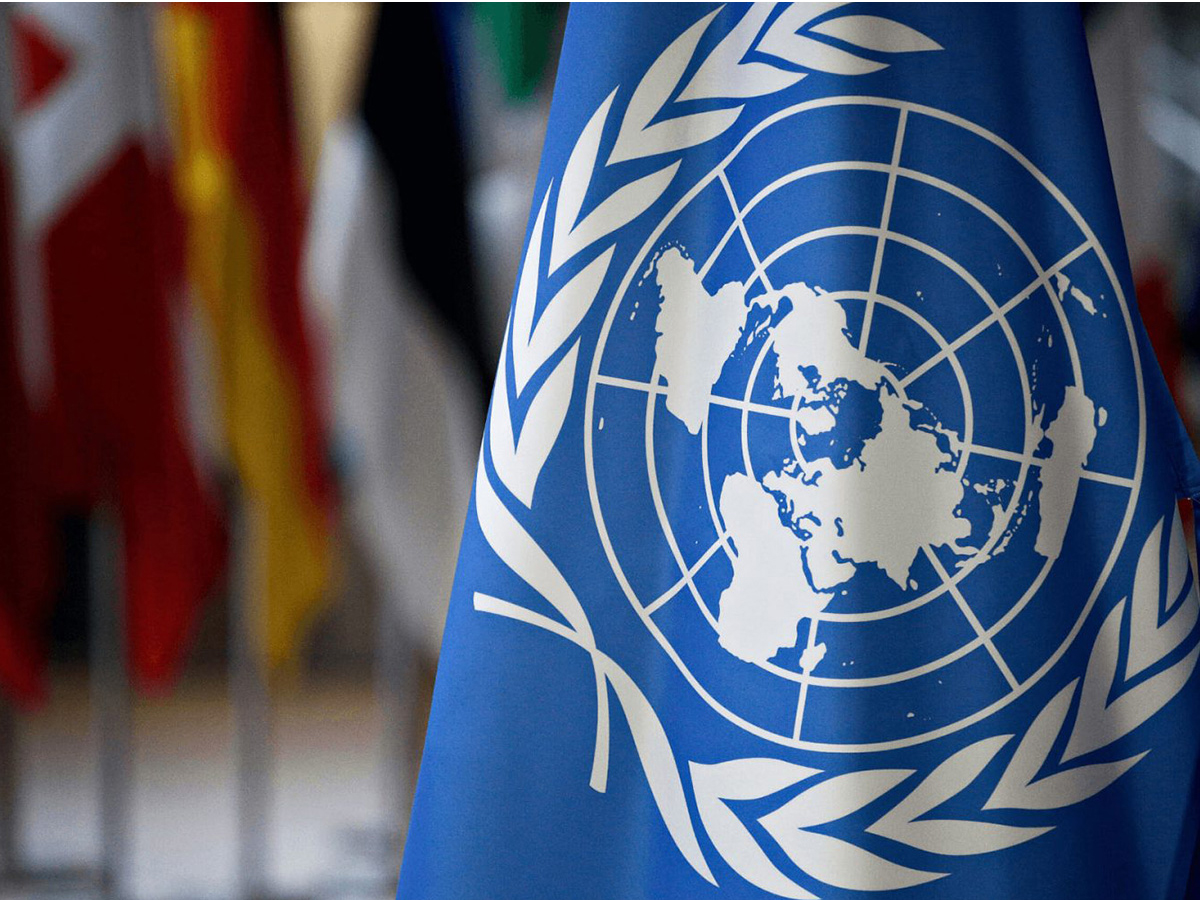
New York, July 21 (QNA) – The United Nations has expressed its grave concern over the fresh attacks the Houthi Group is waging against the Kingdom of Saudi Arabia and freedom of navigation in the Red Sea.
It considered these assaults as a harbinger of the occurrence of a wider-scale perilous regional conflict.
In a statement on Tuesday, Spokesman for the Secretary-General Stephane Dujarric called for an immediate de-escalation, calling on parties to settle their disputes through diplomacy.
He also stressed the importance of parties complying with UN Security Council Resolution 2722 (2024) and subsequent resolutions related to Houthi attacks on commercial ships.
Dujarric recalled that the Special Envoy of the Secretary-General for Yemen, Hans Grundberg, is holding discussions in the region that are laser-focused on the immediate need for de-escalation, in addition to the parties’ concurrence on a path that safeguards the gains achieved by virtue of the UN-brokered truce in 2022.
In this context, Dujarric stressed that Yemen must be protected from the wider regional escalation and preserve the essential space for a comprehensive Yemen-led political process that culminates in a thorough termination of the conflict.
He further emphasized that the UN is deeply alarmed by the fresh hostilities and rising tensions across large parts of the Middle East, triggering the importance of reaching an immediate de-escalation.
In addition, Dujarric stated that protecting civilians and civilian objects is extremely important, as critical infrastructure should be shielded from any damage on which civilians rely to survive.
These facilities, he said, include hospitals and water supply facilities, stressing that all parties must live up to their pledges under international humanitarian law, including the principles of distinction, proportionality, and precaution. (QNA)