Saudi Arabia’s Voluntary Carbon Market Fuels the Shift to a Low-Carbon

Under UAE President’s directives, UAE launches urgent relief response for Ghana flood victims

Combating Desertification and Drought: Qatar a Model in Preserving Natural Resources, Establishing Environmental Stability

UAE allocates US$30 million for emergency humanitarian response in El Obeid, calls for civilian protection, safe humanitarian aid access in Sudan

UN Warns of Protracted
Displacement Crisis in Southern Lebanon
New York, 19 Aug 2026 (ONA) — The
United Nations has issued a warning regarding the protracted displacement
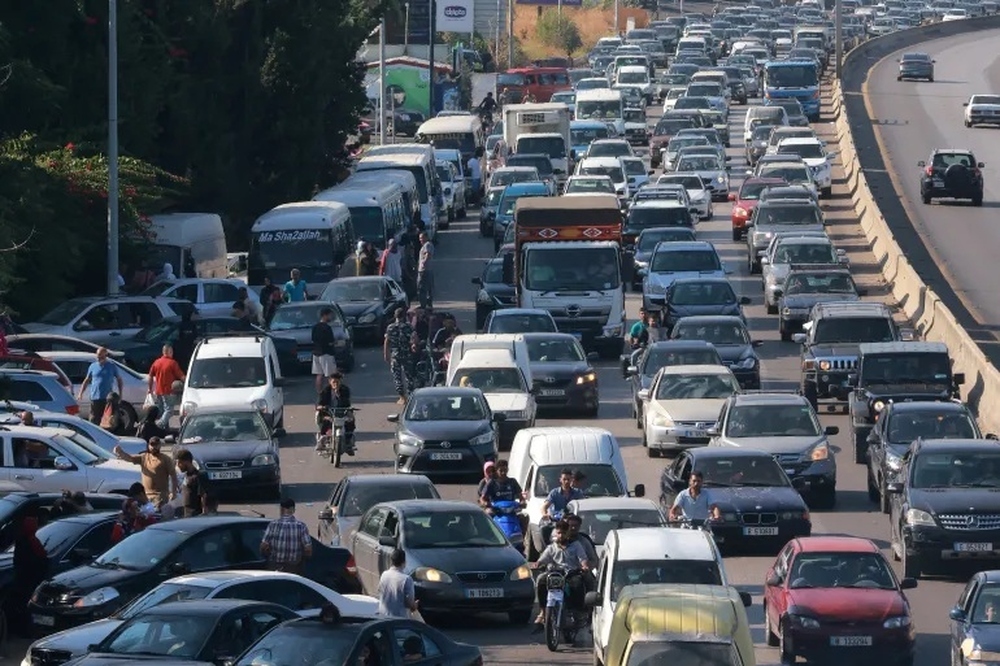
crisis in southern Lebanon, despite the return of 860,000 displaced persons to
a region long beleaguered by conflict. Israeli airstrikes have resulted in
thousands of fatalities and displaced over one million people since the
resurgence of heavy fighting last March.
According to UN statistics,
approximately 360,000 individuals remain displaced, of whom at least 22,000 are
residing in collective shelters. A significant number of Lebanese nationals are
unable to return to their homes in conflict-ravaged areas. Widespread debris
accumulation, extensive damage to critical infrastructure, and persistent
insecurity have led to the suspension of health, water, and electricity
services.
Although reports indicate that
860,000 displaced persons have returned, many have been unable to access their
damaged properties and have been compelled to seek accommodation in nearby
temporary shelters.
Babar Baloch, Spokesperson for
the United Nations High Commissioner for Refugees (UNHCR), underscored the
urgent need for interim housing solutions to enable displaced families to
remain in proximity to their communities. “Humanitarian needs remain
immense,” he stated. “The extensive destruction of housing units,
water and electricity networks, schools, health facilities, agricultural land,
and community infrastructure continues to impede recovery prospects.”
The Lebanese Government, with the
support of humanitarian organizations including UNHCR, is providing protection
services, shelter assistance, financial aid, and psychosocial counselling to
affected populations. However, these very organizations are confronting a
severe funding shortfall, which constrains their capacity to intervene
effectively and at scale.
It is noteworthy that despite the
announcement of multiple ceasefire agreements since April of this year,
hostilities have persisted, thereby perpetuating the ongoing displacement
crisis.
— Ends/AH