Jordan’s Q2 2026 GDP Expands 3.0%, Outperforming Regional Headwinds, International Forecasts
ENV-KUWAIT-SUSTAINABLITYKuwait strengthens environmental sustainability through strategic initiativesBy Zahra Al-Kadhmi

HLT-KUWAIT-SURGERYKuwait advances health sector with robotic, remote surgeryBy Mohammad Al-Moseb

Saudi Arabia’s Voluntary Carbon Market Fuels the Shift to a Low-Carbon

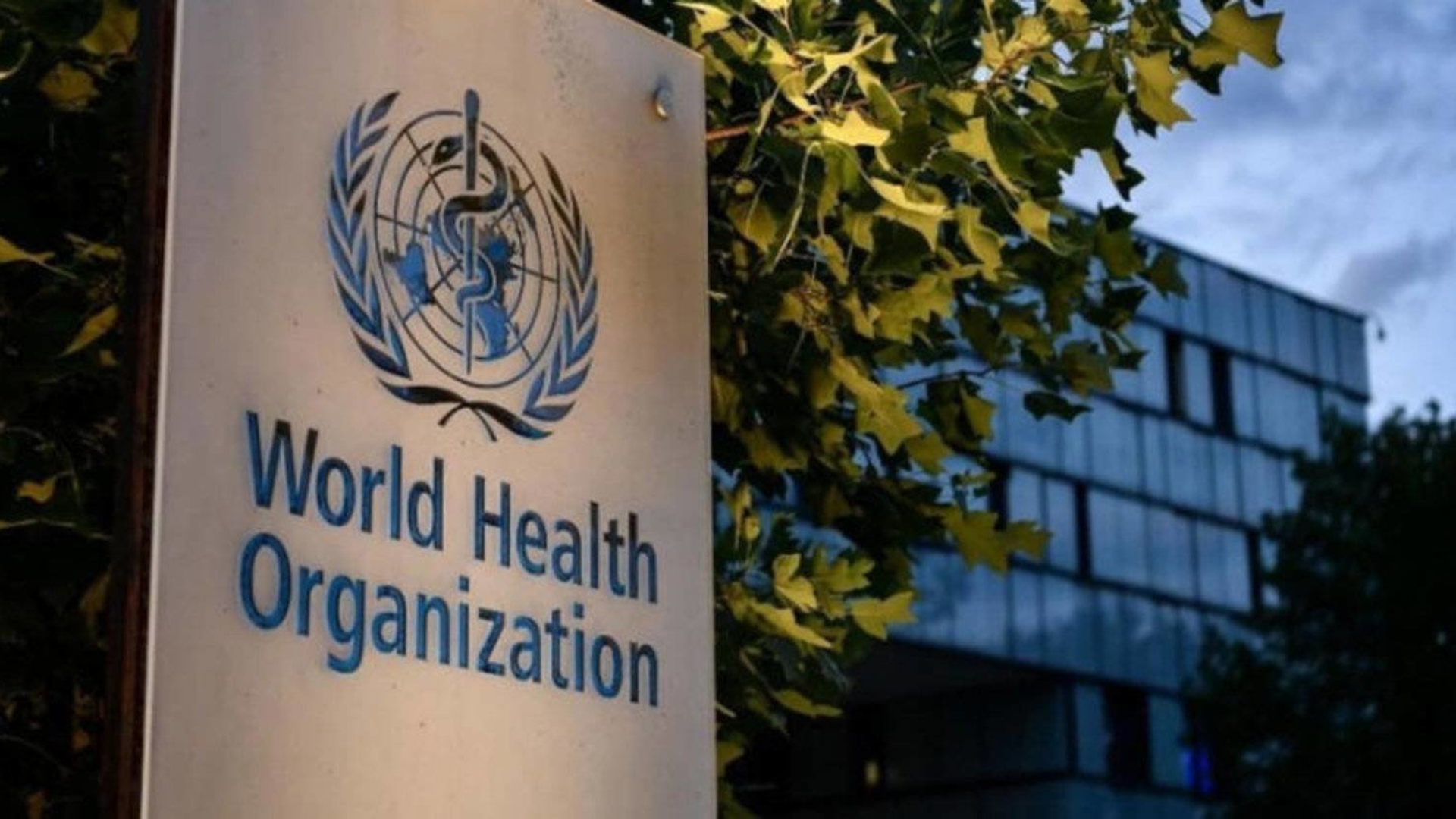
Amman, Sept. 22 (Petra) – Warmer Pacific waters from El Niño are
altering global weather and threatening public health worldwide,
according to the World Health Organization (WHO) on Tuesday.
The agency cautioned that El Niño drives intense heatwaves, degrades
air quality through wildfires, exacerbates malnutrition, and spreads
waterborne diseases like cholera through alternating droughts and
floods. Rainy conditions and flooding also boost mosquito
populations, accelerating outbreaks of malaria, dengue, and
chikungunya.
In a statement Tuesday, Teresa Zakaria, Risk Reduction, Humanitarian
Operations and Climate Change Unit Head, said El Niño’s health
impacts are “predictable.” She urged governments, international
partners, and local communities to act “immediately” to safeguard
healthcare infrastructure and save lives before health risks escalate
into full-blown crises.
Climate shocks will worsen health crises globally, as the sharpest
impact is striking regions already struggling with weak healthcare,
hunger, displacement, and instability, according to Zakaria.
Earlier this month, the UN’s World Meteorological Organization warned
the current El Niño cycle could rank among the strongest in the four
decades since record-keeping began.
The organization is scheduled to issue its next climate update at the
end of November.
//Petra// HA