ENV-KUWAIT-SUSTAINABLITYKuwait strengthens environmental sustainability through strategic initiativesBy Zahra Al-Kadhmi

HLT-KUWAIT-SURGERYKuwait advances health sector with robotic, remote surgeryBy Mohammad Al-Moseb

Saudi Arabia’s Voluntary Carbon Market Fuels the Shift to a Low-Carbon

Under UAE President’s directives, UAE launches urgent relief response for Ghana flood victims

Amman, June 29 (Petra) — The UN Food and Agriculture Organization
(FAO) in Jordan, in cooperation with the Ministry of Agriculture, on
Sunday launched a new Japanese-funded project to address the impact
of drought, water scarcity and climate change on the Kingdom’s
agricultural sector.
Addressing the ceremony, Assistant Secretary-General for Marketing of
the Ministry of Agriculture, Khalil Amr, said drought-related
challenges transcend national borders, underscoring the need to
strengthen collective action, expand knowledge exchange and
technology transfer, increase climate finance, invest in scientific
research and innovation, and build effective partnerships among
governments, international organizations, the private sector and
local communities to develop more efficient, resilient and
sustainable agri-food systems.
Japanese Ambassador Hideki Asari reaffirmed his country’s commitment
to supporting Jordan’s climate adaptation efforts, saying the project
offers a timely response to the severe effects of drought at both the
institutional and community levels, while creating livelihood
opportunities in the most vulnerable areas. He said the initiative
supports the Kingdom’s efforts to achieve sustainable growth.
Acting FAO Representative in Jordan Paul Opio said promoting
agroecological and climate-smart agricultural practices in vulnerable
areas is an investment in both immediate adaptation needs and
long-term resilience. He added that building drought-resilient
agricultural systems is essential to strengthening food security and
economic stability.
According to a FAO statement, the project, titled “From Scarcity to
Sustainability: Building Adaptive Drought Interventions in
Agriculture – Climate Adaptation and Enhancing Jordan’s Drought
Resilience,” targets around 380 beneficiaries, including smallholder
farmers from refugee and host communities, women-led cooperatives,
and Ministry of Agriculture staff in Ajloun, Jerash and the Northern
Shouneh area.
The project will be implemented in cooperation with the National
Agricultural Research Center.
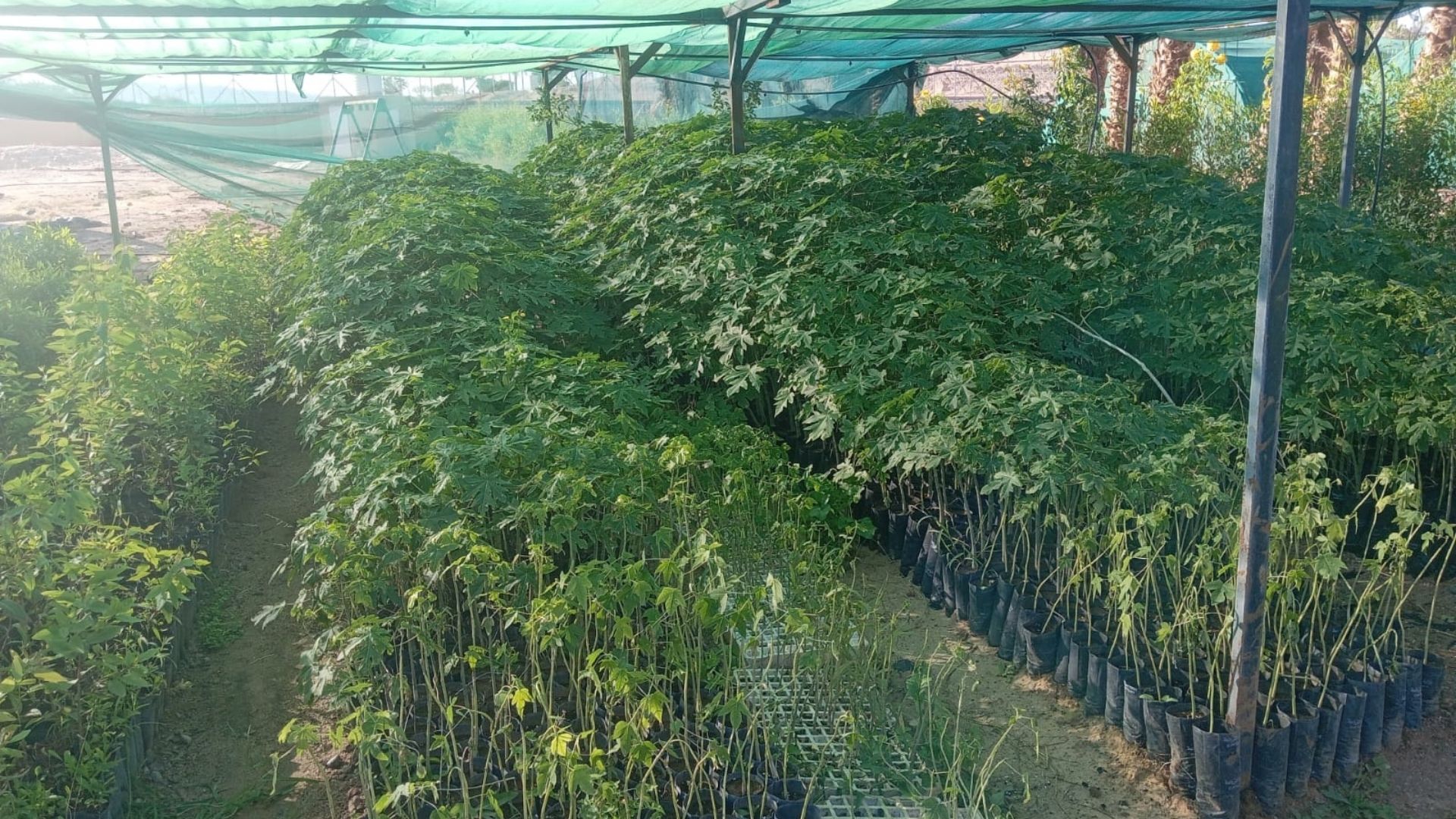
Project activities include distributing agricultural inputs,
establishing demonstration sites for climate-smart agricultural
practices, and strengthening institutional capacities for drought
preparedness and water resources management.
//Petra// NQ