ENV-KUWAIT-SUSTAINABLITYKuwait strengthens environmental sustainability through strategic initiativesBy Zahra Al-Kadhmi
HLT-KUWAIT-SURGERYKuwait advances health sector with robotic, remote surgeryBy Mohammad Al-Moseb

Saudi Arabia’s Voluntary Carbon Market Fuels the Shift to a Low-Carbon

Under UAE President’s directives, UAE launches urgent relief response for Ghana flood victims

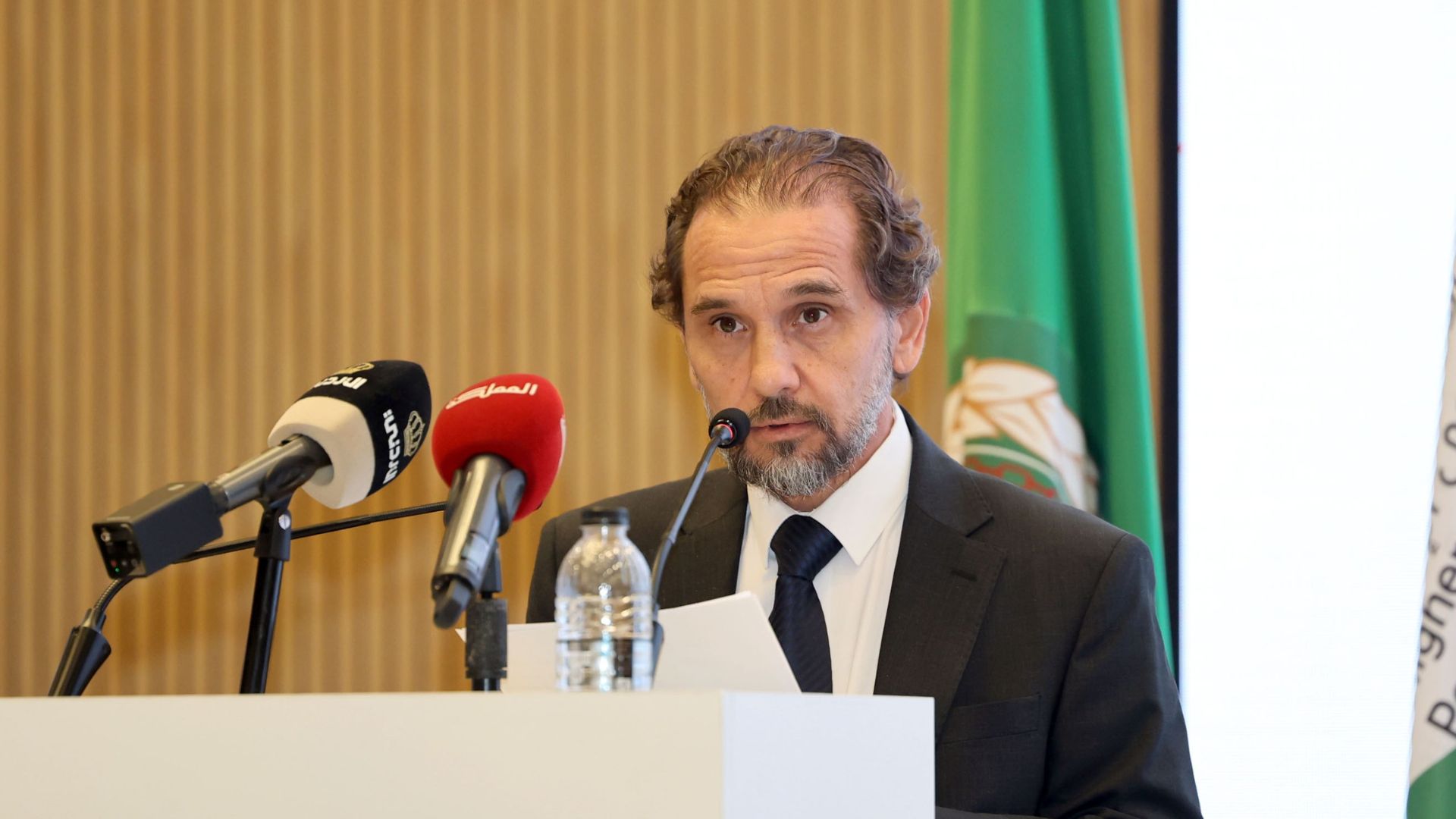
Amman, July 21 (Petra) – HRH Prince Mired bin Raad, Chief Chamberlain
and Chair of the Board of Directors of the Hashemite Commission for
Disabled Soldiers (HCDS), on Tuesday inaugurated the Arab Regional
Conference to Follow Up on the Outcomes of the 2025 Global Disability
Summit (GDS).
The event gathered ministers, international experts, and
representatives from regional organizations to translate the GDS
commitments, chiefly the Amman-Berlin Declaration on Global
Disability Inclusion, into actionable national policies.
Opening the conference, Prince Mired said Arab nations have made
“tangible” strides toward disability inclusion, however “major”
hurdles still impede inclusive education, decent employment,
accessibility, and ending social isolation.
He stated “sustainable” progress depends on strong national
ownership, urging governments to modernize legislation, establish
clear implementation strategies, allocate adequate funding, and
ensure persons with disabilities actively participate in planning. He
noted international partners are “far more ready” to extend support
when national ownership is strong, cautioning that results will fall
short without it.
Wafa Bani Mustafa, Minister of Social Development and Chair of the
45th session of the Council of Arab Ministers for Social Affairs,
pledged Jordan’s commitment to a rights-based approach to disability
under royal directives.
Outlining the Kingdom’s social care expansion plans, Bani Mustafa
revealed key targets, including expanding inclusive early
intervention and daycare centers from 70 in 2026 to 128 by 2028, and
increasing family-based placements from 800 this year to 4,134 by
2028.
She added that Jordan’s current presidency of the council serves as a
“strategic” opportunity to align summit outcomes with the Second Arab
Decade for Persons with Disabilities (2023–2032).
Sima Bahous, Executive Director of UN Women and UN
Under-Secretary-General, said success of the Amman-Berlin
Declaration hinges on its practical impact on women and girls with
disabilities, who continue to face systemic barriers. She confirmed
that UN Women is collaborating with regional partners to integrate
gender equality into disability policies and boost economic
empowerment.
Meanwhile, Tarek Nabulsi, Director of Social Development and Policies
at the League of Arab States, stressed the need to accelerate
commitments given the rising number of individuals acquiring
disabilities due to ongoing regional conflicts, particularly in the
occupied Palestinian territory.
Nawaf Kabbara, President of the International Disability Alliance
(IDA), echoed these calls, stressing that high-level commitments must
immediately be backed by clear national plans and dedicated budgets.
The event is organized jointly by the Higher Council for the Rights
of Persons with Disabilities (HCD), the Arab League, Ministry of
Social Development, IDA, and German Society for International
Cooperation (GIZ), with support from Christian Blind Mission (CBM).
//Petra// HA