Saudi Arabia’s Voluntary Carbon Market Fuels the Shift to a Low-Carbon
Under UAE President’s directives, UAE launches urgent relief response for Ghana flood victims

Combating Desertification and Drought: Qatar a Model in Preserving Natural Resources, Establishing Environmental Stability
UAE allocates US$30 million for emergency humanitarian response in El Obeid, calls for civilian protection, safe humanitarian aid access in Sudan

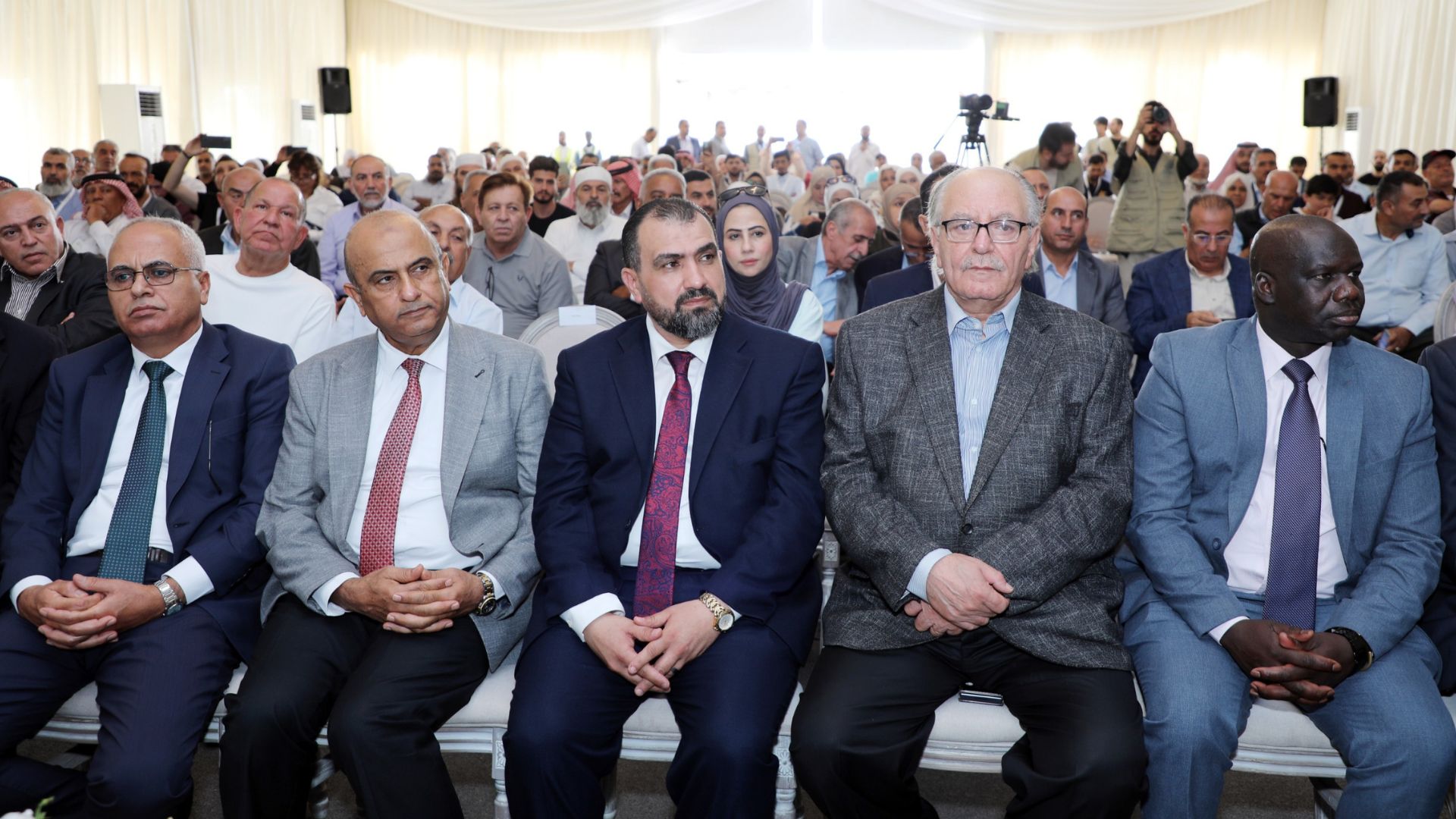
Amman, July 22 (Petra) – The second Jordanian Honey Festival,
organized by the Jordanian Beekeepers Association, opened Wednesday
at King Hussein Gardens in Amman.
Ministry of Agriculture Secretary-General Mohammad Hiyari said
beekeeping is a promising agricultural sector that contributes to
food security and sustainable rural development. He highlighted bees’
essential role in pollinating crops, increasing agricultural
productivity, and preserving ecological balance and biodiversity.
Hiyari underlined that the ministry supports the beekeeping sector by
developing regulatory legislation, strengthening technical and
extension services, providing concessional financing, supporting
scientific research, and promoting modern technologies to improve the
quality and competitiveness of Jordanian honey.
He added the ministry is working to develop the sector’s regulatory
and monitoring framework by licensing apiaries and assigning national
identification numbers to beehives to establish an accurate database,
improve planning, apply traceability and oversight measures, and
enhance services provided to beekeepers.
Hiyari said the festival provides an important platform for promoting
Jordanian honey and related products, strengthening consumer
confidence in locally produced honey, and allowing beekeepers to
exchange expertise and showcase their products.
He noted that the sector’s value chains include high-value products
with economic and medicinal applications, such as beeswax, royal
jelly, pollen, and propolis, in addition to opportunities in apiary
tourism and apitherapy.
He stressed the importance of strengthening strategic partnerships
with the Jordanian Beekeepers Association, research institutions,
universities, and the private sector to support innovation and open
new domestic and international markets. Hiyari thanked the union and
the festival’s organizers for their continued initiatives supporting
the sector.
Jordanian Beekeepers Association President Muath Kazem said the
festival is the Kingdom’s largest national event dedicated to the
beekeeping sector and provides a leading platform connecting
beekeepers directly with consumers, without intermediaries or lengthy
supply chains.
He added the festival builds on the success of its first edition last
year, which attracted more than 10,000 visitors over three days and
generated direct sales exceeding JD60,000. He said the results
reflected consumers’ strong confidence in Jordanian honey.
Kazem noted that Jordanian beekeepers deserve support and recognition
for the high quality of their products, which has enabled them to
distinguish themselves in international competitions and events.
He added that beekeepers’ role extends beyond production, as they
help preserve ecological balance and contribute to food security and
the sustainability of the national environment.
He said the festival is not limited to marketing, but combines
awareness activities, commercial engagement, and community,
entertainment, and cultural events to provide an integrated national
experience showcasing the quality of Jordanian honey and supporting
the national economy.
On the sidelines of the opening, the Agricultural Credit Corporation
signed a cooperation agreement with the association to regulate and
guide concessional financing provided to beekeepers, helping ensure
the sustainability of their projects and improve their productive and
developmental efficiency.
Agricultural Credit Corporation Director General Mohammad Dogan said
the agreement formed part of the corporation’s role as the Ministry
of Agriculture’s financing arm for supporting agriculture and
livestock production.
He highlighted the strategic importance of beekeeping, which extends
beyond its direct economic value to preserving ecological balance and
biodiversity, alongside the expanding therapeutic, preventive, and
nutritional uses of bee products.
Dogan said the partnership with the union aims to establish a
framework for financing and field guidance while avoiding operational
practices that could adversely affect beekeeping activities. He added
that the agreement focuses on providing beneficiaries with the
training and capacity-building programs required to ensure the
success and sustainability of financed initiatives.
Such initiatives, partnerships, and specialized festivals, he
continued, directly strengthen the resilience of the national economy
and support agriculture-led growth. He expressed hope that these
partnerships would be further strengthened to serve farmers and
achieve the intended development impact.
//Petra// AO