Saudi Arabia’s Voluntary Carbon Market Fuels the Shift to a Low-Carbon

Under UAE President’s directives, UAE launches urgent relief response for Ghana flood victims

Combating Desertification and Drought: Qatar a Model in Preserving Natural Resources, Establishing Environmental Stability

UAE allocates US$30 million for emergency humanitarian response in El Obeid, calls for civilian protection, safe humanitarian aid access in Sudan

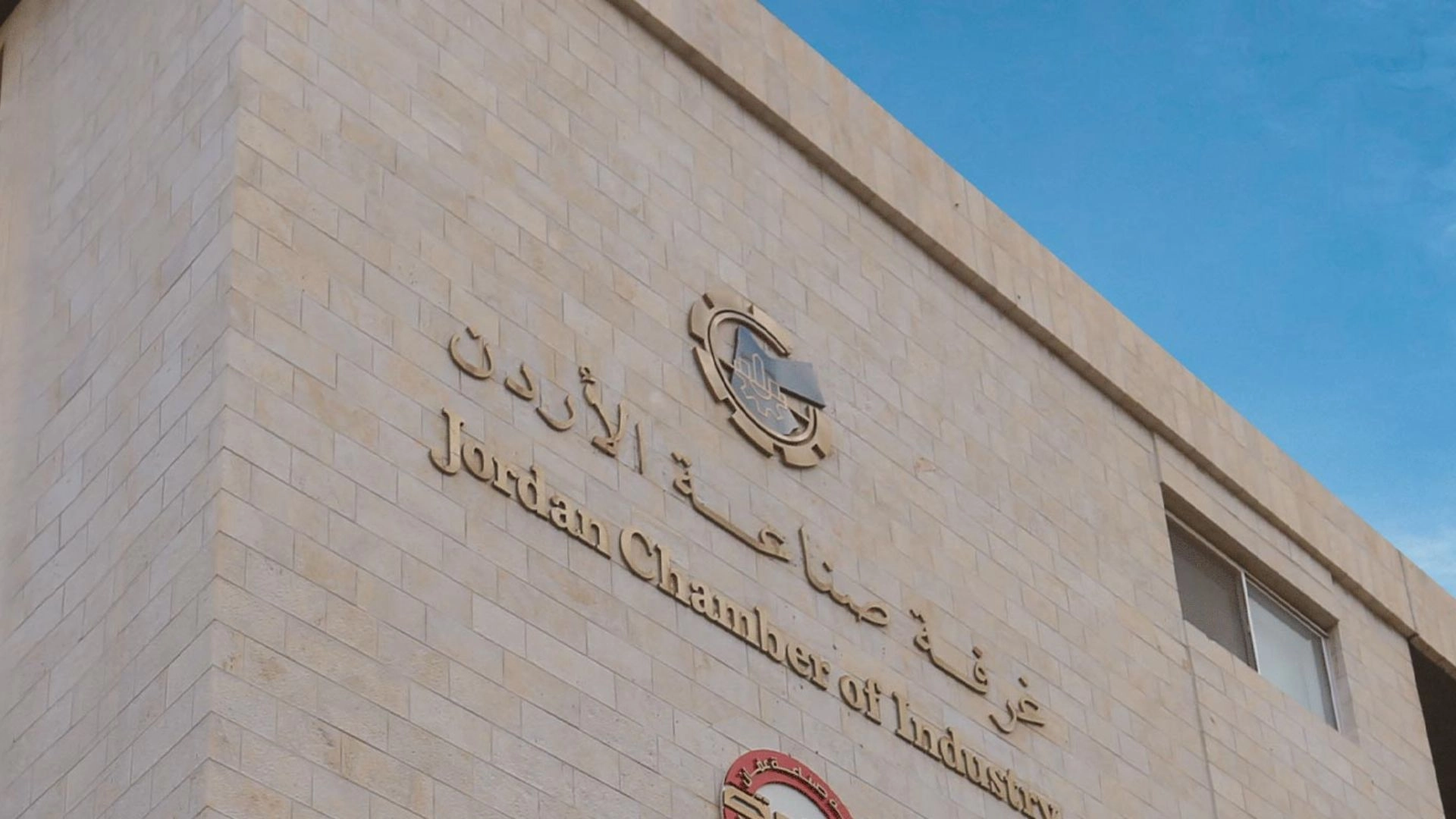
Amman, July 24 (Petra)– The industrial sector has welcomed the
reciprocal trade agreement between the Hashemite Kingdom of Jordan
and the United States, describing it as a strategic milestone that
strengthens bilateral economic ties and enhances the competitiveness
of Jordanian exports in one of the world’s largest markets.
In a statement issued on Friday, President of the Jordan Chamber of
Industry Fathi Al-Jaghbir said the decision to maintain the
additional U.S. tariff on Jordanian goods at 10 percent places Jordan
among the countries facing the lowest U.S. tariff rates compared with
many competing exporters. He said the move would help preserve and
expand Jordan’s market share in the United States.
Al-Jaghbir noted that the agreement extends beyond tariffs, promoting
cooperation in investment, supply chains, and digital trade while
providing a more stable business environment for exporters and
investors. He said the deal further strengthens Jordan’s position as
a reliable manufacturing and export hub, supported by its political
stability, industrial base, and extensive network of international
trade agreements.
He highlighted the importance of the U.S. market as the largest
single destination for Jordan’s industrial exports, which exceed JD2
billion annually. Bilateral trade has grown significantly from
approximately $232 million in 2001 to $3.08 billion in 2025, while
the number of Jordanian products exported to the United States
increased from 172 in 2019 to nearly 390 in 2025, reflecting the
growing diversity and competitiveness of Jordan’s industrial sector.
Al-Jaghbir stressed that the new agreement complements rather than
replaces the Jordan-U.S. Free Trade Agreement. Most qualifying
Jordanian products, he said, will continue to enter the U.S. market
with a zero percent base tariff, while the additional tariff remains
capped at 10 percent, preserving Jordan’s competitive advantage over
many rival exporting countries.
He praised the efforts of His Majesty King Abdullah II, the Jordanian
government, the Kingdom’s Embassy in Washington, and the national
negotiating team, saying the achievement reflects successful
cooperation between the public and private sectors and is expected to
attract further export-oriented industrial investment while
strengthening Jordanian industry’s presence in the U.S. market.
Meanwhile, Ihab Qadri, representative of the Leather and Garments
Industries Sector at the Jordan Chamber of Industry, said
confirmation by the Office of the United States Trade Representative
that a broad range of Jordanian leather and textile products will
remain exempt from the additional U.S. tariffs represents a major
achievement that safeguards the sector’s competitiveness and
preserves the benefits provided under the Jordan-U.S. Free Trade
Agreement.
Qadri explained that the decision goes beyond maintaining duty-free
access for apparel, extending exemptions to most products within the
leather and textile sector. As a result, the majority of Jordanian
products that meet the rules of origin will continue to enter the
U.S. market with a zero percent base tariff.
The exemptions cover apparel and knitwear, bags and leather goods,
carpets and rugs, bed linens and home furnishings, towels, curtains,
yarns, fabrics, production inputs, and a wide range of other textile
products. Qadri said the decision supports the competitiveness of the
sector’s entire value chain, from raw materials and manufacturing
inputs to finished export products.
He added that the United States remains the primary export market for
Jordan’s leather and garment industry, with annual exports reaching
approximately $2.2 billion. The sector includes more than 1,000
industrial establishments and provides around 100,000 jobs, making
the preservation of its competitive advantages essential for
sustaining growth and supporting the national economy.
According to Qadri, the decision will strengthen the confidence of
global brands and investors in Jordan as a dependable manufacturing
and export base, while encouraging new investments, expanding
supporting industries, increasing local value-added, and deepening
industrial supply chains.
He also commended the Royal efforts, the government, the Ministry of
Industry, Trade and Supply, Jordan’s Embassy in Washington, the
national negotiating team, and all public and private sector
stakeholders involved in preserving the sector’s competitive
advantages in the U.S. market. He said the agreement is expected to
positively impact exports, investment, and employment while
reinforcing Jordan’s position as a regional hub for export-oriented
apparel and leather manufacturing.
//Petra// MF