Saudi Arabia’s Voluntary Carbon Market Fuels the Shift to a Low-Carbon

Under UAE President’s directives, UAE launches urgent relief response for Ghana flood victims
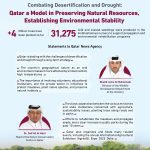
Combating Desertification and Drought: Qatar a Model in Preserving Natural Resources, Establishing Environmental Stability
UAE allocates US$30 million for emergency humanitarian response in El Obeid, calls for civilian protection, safe humanitarian aid access in Sudan

Khartoum, 26 July 2026 (SUNA) – Minister of Health Dr. Haitham Mohamed Ibrahim announced the signing of a package of funding agreements with international institutions and development banks worth more than $293 million, in addition to additional commitments estimated at around $150 million over the next three years, as part of the Ministry’s efforts to expand international partnerships and secure sustainable resources for the health system. The minister explained, during a briefing conference organized by the Ministry of Culture, Information, Tourism and Antiquities through the Sudan News Agency (SUNA) on the current health situation and the outcomes of his visit to the United States, that the agreements included a project with the World Bank worth $83 million, two projects with the African Development Bank worth $70 million, and an agreement with the Global Fund worth $140 million to support programmes combating malaria and HIV/AIDS and strengthening vaccination systems. Dr. Haitham Ibrahim noted that these arrangements have contributed to significant progress in Sudan’s relations with its international partners, indicating that more than 40 entities have expressed interest in supporting the health sector after reviewing actual needs and proposed projects. The minister affirmed that activities held abroad, particularly in Washington, contributed to conveying the concerns and needs of Sudanese citizens to supporting organisations. He pointed out that a number of international and humanitarian organisations, including entities from the United States and Canada, have expressed their desire to expand cooperation and organise similar events in other states. He stated that the support came after specific projects were presented, allowing donor organisations to assess conditions on the ground and recognise the priority of intervention. He added that these organisations have begun mobilising resources through their institutions and communities. Regarding opportunities for cooperation with the United States, the minister explained that the legal environment there allows significant support for humanitarian and health work, noting that this type of funding benefits from incentives that encourage institutions to contribute. He pointed out that humanitarian organisations operate independently of political complexities, and that Sudan benefits from the Sudan STF funding platforms, which are among the key channels supporting the health sector. The minister highlighted that some international funding is implemented through intermediaries such as the World Health Organization (WHO) and United Nations Children’s Fund (UNICEF). Dr. Haitham further noted that a number of organisations that had not previously worked in Sudan have expressed readiness to enter the country, while existing organisations have strengthened their partnerships, particularly in supporting referral hospitals and essential health services. The minister renewed the Ministry’s commitment to continuing the development of the health system, explaining that efforts are ongoing to rehabilitate referral hospitals and expand services, especially in affected areas, with support from international and regional partners.BH/BH