Saudi Arabia’s Voluntary Carbon Market Fuels the Shift to a Low-Carbon

Under UAE President’s directives, UAE launches urgent relief response for Ghana flood victims
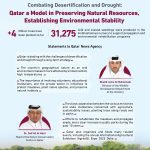
Combating Desertification and Drought: Qatar a Model in Preserving Natural Resources, Establishing Environmental Stability
UAE allocates US$30 million for emergency humanitarian response in El Obeid, calls for civilian protection, safe humanitarian aid access in Sudan


Khartoum, 25 July 2026 (SUNA) – Minister of Culture, Information, Tourism and Antiquities Khalid Al-Eisir affirmed that electronic payment systems represent a key gateway to digital transformation and the development of a more efficient and inclusive economy, stressing that they are not merely financial tools, but part of an integrated system for rebuilding the economy and expanding citizens’ opportunities for economic participation. Addressing a workshop titled “Electronic Payment Systems and Their Role in Financial Inclusion” held in Khartoum, the minister said the transition to electronic payments represents a shift in the philosophy of economic management itself, moving from traditional transaction methods toward a more open, transparent, modern, and accessible economy. He emphasized that financial inclusion should not be viewed merely as access to banking services, but as a strategic economic and social empowerment project that connects citizens to development pathways, enhances production and stability, and supports the building of a more efficient and equitable national economy. Al-Eisir highlighted the Ministry’s early initiatives to support digital transformation, noting that these efforts were undertaken under exceptional circumstances to affirm Sudan’s ability to advance through knowledge and technology. He also stressed the Ministry’s role in supporting economic policies through public awareness campaigns related to financial reforms and national initiatives aimed at strengthening citizens’ confidence and awareness. The minister renewed the Ministry’s commitment to supporting official and private national initiatives that contribute to building effective partnerships between the public and private sectors in service of the country. He also congratulated Hawas Economic Magazine on its 15th anniversary, praising its role in promoting professionalism and objectivity, and affirming that national media is an essential partner in supporting development issues and building a cohesive society. He called for responsible professional discourse and a stronger role for journalism in supporting stability.BH/BH