Jordan’s Q2 2026 GDP Expands 3.0%, Outperforming Regional Headwinds, International Forecasts

ENV-KUWAIT-SUSTAINABLITYKuwait strengthens environmental sustainability through strategic initiativesBy Zahra Al-Kadhmi

HLT-KUWAIT-SURGERYKuwait advances health sector with robotic, remote surgeryBy Mohammad Al-Moseb

Saudi Arabia’s Voluntary Carbon Market Fuels the Shift to a Low-Carbon

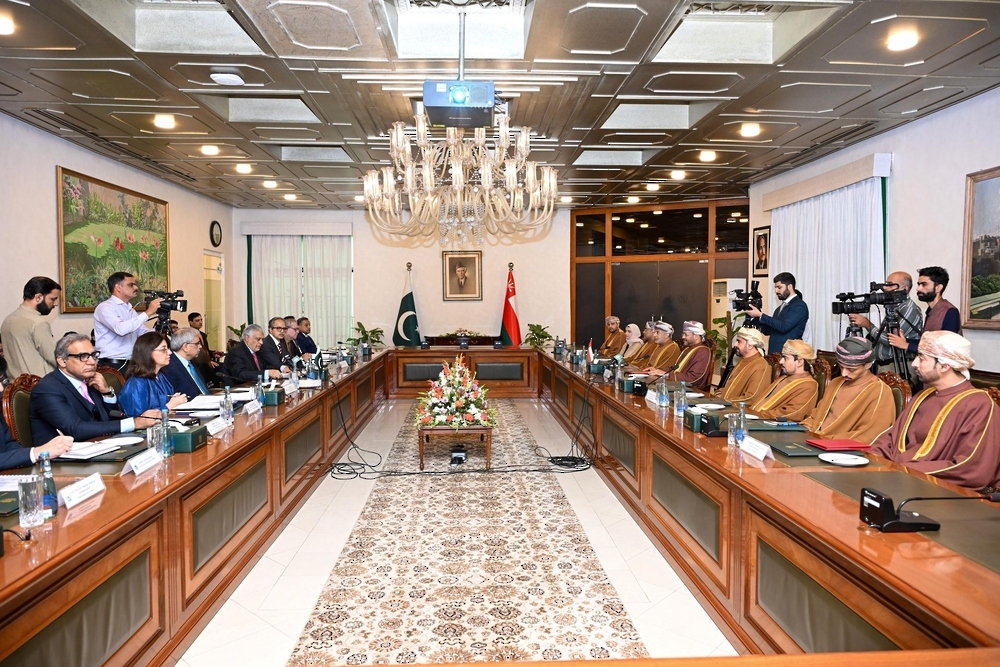
Eighth
Session of Joint Omani-Pakistani Commission Held in Islamabad
Islamabad,
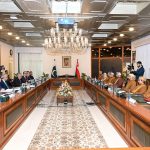
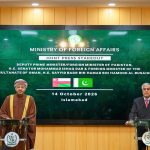
14 Oct 2026 (ONA) — The 8th session of the Joint Ministerial
Commission between the Sultanate of Oman and the Islamic Republic of Pakistan
was held today in Islamabad.
The
Omani side was headed by Sayyid Badr bin Hamad Al Busaidi, Foreign Minister while
the Pakistani side was headed by Mohammad Ishaq Dar, Deputy Prime Minister and
Minister of Foreign Affairs.
During
the session’s proceedings, the course of bilateral relations between the
Sultanate of Oman and the Islamic Republic of Pakistan was reviewed, alongside
discussing ways to enhance bilateral cooperation across a number of priority
fields, serving common interests and embodying the aspirations of both
leaderships and friendly peoples.
In
his speech, the Foreign Minister emphasized that Omani-Pakistani relations rest
upon extended historical, geographical, commercial, maritime, and human ties,
noting that convening the commission offers an opportunity to expand areas of
cooperation and transform the abundant opportunities in both countries into practical
outcomes.
Sayyid
Badr lauded the constructive role undertaken by Pakistan in supporting dialogue
and diplomacy in the region, praising its efforts in creating space for
dialogue between Iran and the United States, and emphasizing that endeavors reinforcing
communication and understanding gain special importance amidst regional
developments.
For
his part, Mohammad Ishaq Dar praised the prestigious standing enjoyed by the
Sultanate of Oman in its regional surroundings and its balanced approach to solidifying
good-neighborly relations and enhancing cooperation among countries in the
region, under the leadership of His Majesty the Sultan. He emphasized the
importance of building upon the solidity of relations between both countries
and maintaining institutional follow-up on the commission’s work and outcomes
to translate understandings into practical steps.
The
commission’s proceedings addressed ways to develop cooperation in the fields of
trade, investment, industry, agriculture, the financial sector, energy, oil and
gas, logistics, ports, food security, technology, and tourism, alongside labor,
consular affairs, security, defense, climate change, civil aviation, education,
media, and culture, as well as examining the enhancement of partnerships between
both countries’ institutions and the private sector.
—Ends/AG