
Jordan’s Q2 2026 GDP Expands 3.0%, Outperforming Regional Headwinds, International Forecasts
ENV-KUWAIT-SUSTAINABLITYKuwait strengthens environmental sustainability through strategic initiativesBy Zahra Al-Kadhmi

HLT-KUWAIT-SURGERYKuwait advances health sector with robotic, remote surgeryBy Mohammad Al-Moseb

Saudi Arabia’s Voluntary Carbon Market Fuels the Shift to a Low-Carbon

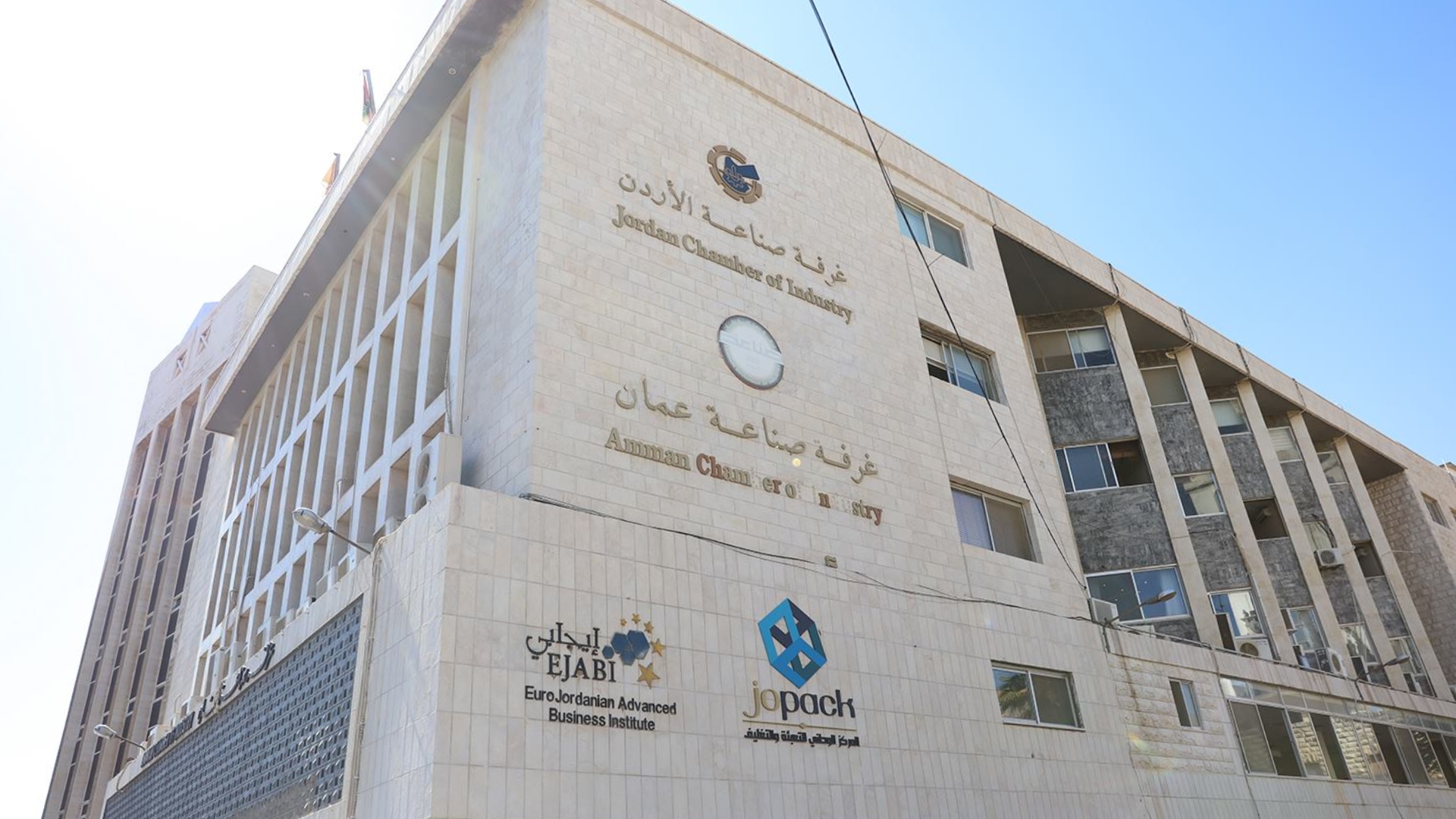
AMMAN, Oct. 26 (Petra) — Economic relations between Jordan and
Uzbekistan are developing, with growing mutual visits and ongoing
discussions on a preferential trade agreement aimed at facilitating
trade and investment cooperation, Chairman of the Jordan and Amman
Chambers of Industry Fathi Al-Jaghbir said Monday.
During a meeting at the Amman Chamber of Industry with Uzbekistan’s
Minister of Investment, Industry and Trade Laziz Kudratov and his
accompanying delegation, Al-Jaghbir said trade between the two
countries increased by 79% in 2025. He added that 18 companies with
Jordanian capital operate in Uzbekistan.
He said the two countries have opportunities to expand trade by
building on their existing areas of production. Jordan’s main exports
to Uzbekistan include pharmaceuticals, chemical products, machinery
and equipment, while imports from Uzbekistan include textiles, dried
fruits and nuts.
Al-Jaghbir said Jordanian industry has competitive advantages in
pharmaceuticals, chemicals, fertilizers, engineering industries and
electrical products. He noted that Jordanian products can meet the
standards of European and American markets, while the Kingdom’s free
trade agreements with the United States, the European Union, Arab
countries and Canada provide additional opportunities for Jordanian
exporters.
He added that Jordanian investments in Uzbekistan could help
companies access Central Asian markets, while Uzbek investments in
Jordan could benefit from the Kingdom’s geographic location and trade
agreements to reach Arab markets.
Al-Jaghbir stressed the need to address logistical challenges
affecting trade, complete the procedures required to bring the
preferential trade agreement into force, and facilitate financial
transfers and banking transactions between the two countries.
For his part, Kudratov said Uzbekistan seeks to strengthen economic
and investment cooperation with Jordan, building on the commitment of
both countries’ leadership to developing bilateral relations and
expanding cooperation between their business communities.
He said the two countries plan to organize bilateral meetings between
Jordanian and Uzbek companies, hold a business forum and arrange a
joint exhibition to present the economic and investment opportunities
available in both countries.
Kudratov added that Uzbekistan plans to bring more than 100
representatives of Uzbek companies to Jordan next month to explore
cooperation opportunities with Jordanian businesses, discuss their
priorities and needs, and identify sectors with potential for trade
and investment partnerships.
He noted that Uzbekistan is a major producer of cotton and textile
products, creating opportunities for cooperation with Jordanian
companies. Other potential areas include pharmaceuticals, where
Jordan has advanced capabilities, as well as automobiles, machinery,
equipment and building materials.
Kudratov said Uzbekistan produces around 500,000 vehicles annually in
cooperation with international companies, including General Motors,
BYD, Volkswagen and Kia. This could provide opportunities for
Jordanian companies to develop partnerships in automotive-related
industries and machinery.
He also pointed to growth in Uzbekistan’s construction and building
materials sector, driven by expanding economic activity and rising
domestic demand. This could create opportunities for Jordanian
companies to enter the Uzbek market or establish joint projects.
//Petra// WH