Saudi Arabia’s Voluntary Carbon Market Fuels the Shift to a Low-Carbon

Under UAE President’s directives, UAE launches urgent relief response for Ghana flood victims
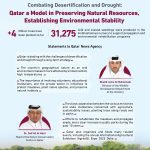
Combating Desertification and Drought: Qatar a Model in Preserving Natural Resources, Establishing Environmental Stability
UAE allocates US$30 million for emergency humanitarian response in El Obeid, calls for civilian protection, safe humanitarian aid access in Sudan


KHARTOUM, July 29, 2026 (SUNA) – Minister of Animal Resources and Fisheries Prof. Ahmed El-Tijani Al-Mansouri and South Darfur Wali Bashir Morsal Hasaballah discussed ways to revive the livestock sector in the state and preserve remaining livestock amid current challenges and the impacts of the war. The meeting, held at the ministry’s headquarters in the presence of the Ministry Undersecretary Dr. Ammar Al-Sheikh Idris and relevant officials, stressed the need for urgent interventions to stabilise the conditions of small-scale livestock owners and herders, who represent the backbone of the sector in the state. The two sides agreed to inventory and redistribute veterinary and technical personnel to affected areas, provide mobile veterinary units to cover remote locations, and deliver vaccination and treatment services to safeguard livestock. They also discussed activating the zero-grazing project and establishing units for producing preserved and concentrated animal feed to ensure year-round availability of feed and reduce tensions between herders and farmers. The Minister highlighted the “Peace and Livestock Animal Villages” project as a sustainable solution linking voluntary return with development through the provision of water, veterinary services, and markets within villages.He affirmed that South Darfur is among the ministry’s priorities in the coming phase, noting that investment in livestock is one of the fastest routes to economic recovery and job creation for youth and women. The Wali praised the ministry’s support, saying the state possesses vast livestock resources that require veterinary services and infrastructure to restore its export role and contribute to national food security. The meeting concluded with an agreement to establish an integrated livestock production city in South Darfur, including modern slaughterhouses, dairy factories, leather tanneries, and veterinary quarantine laboratories, to serve as a hub for collecting, processing, and exporting livestock products to neighbouring and regional markets.BH/BH