Jordan’s Q2 2026 GDP Expands 3.0%, Outperforming Regional Headwinds, International Forecasts
ENV-KUWAIT-SUSTAINABLITYKuwait strengthens environmental sustainability through strategic initiativesBy Zahra Al-Kadhmi

HLT-KUWAIT-SURGERYKuwait advances health sector with robotic, remote surgeryBy Mohammad Al-Moseb

Saudi Arabia’s Voluntary Carbon Market Fuels the Shift to a Low-Carbon

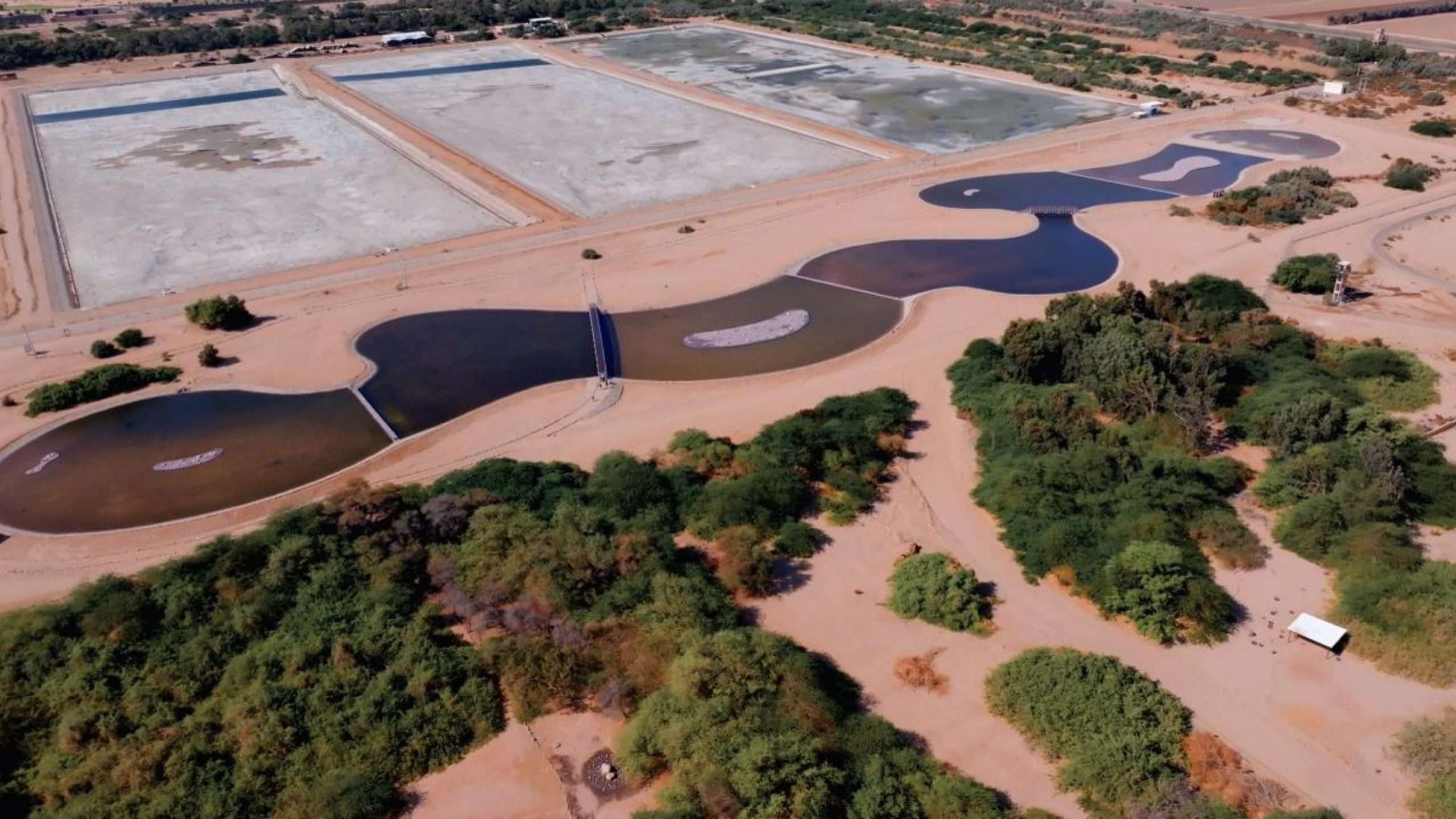
Aqaba, June 15 (Petra) — The designation of the Aqaba Bird
Observatory as a Special Protection Area under the Protected Areas
and National Parks Regulation No. 29 of 2005 marks a significant step
in strengthening biodiversity conservation and sustainable
environmental management efforts.
Commissioner for Environment and Public Safety at the Aqaba Special
Economic Zone Authority (ASEZA) Nidal Al-Aouran described the
approval of the observatory’s nomination file as a major national
achievement that reflects the commitment to protecting natural
resources and preserving biodiversity.
He said the designation was the result of coordinated efforts and
effective partnerships involving ASEZA, the Royal Society for the
Conservation of Nature, Aqaba Development Company and Aqaba Water
Company, in addition to support and coordination from the Ministry of
Environment and other national stakeholders.
Al-Aouran noted that the new status provides a legal and
administrative framework for safeguarding the site and preserving its
ecological value over the long term.
For his part, Aqaba Bird Observatory Director Firas Al-Rahahleh said
the observatory represents a pioneering example of nature-based
solutions, having been developed through the reuse of treated
wastewater to create artificial wetlands that serve as an important
habitat for both migratory and resident bird species.
He explained that the observatory is located along the world’s second
most important migratory bird flyway, making it a key site for
biodiversity conservation and environmental monitoring.
According to Al-Rahahleh, the observatory has recorded more than 270
bird species, representing over 60 percent of the species documented
in the Kingdom.
He added that the site has become one of the country’s leading
locations for birdwatching and biodiversity conservation and is
managed through a partnership between ASEZA and the Royal Society for
the Conservation of Nature.
The designation is expected to strengthen the national network of
protected sites and enhance integration between existing protected
areas and special conservation zones.
Officials said the move supports broader efforts to preserve the
Kingdom’s natural heritage and ensure its sustainability for future
generations through strengthened environmental protection measures
and biodiversity conservation initiatives.
//Petra// RZ