Jordan’s Q2 2026 GDP Expands 3.0%, Outperforming Regional Headwinds, International Forecasts
ENV-KUWAIT-SUSTAINABLITYKuwait strengthens environmental sustainability through strategic initiativesBy Zahra Al-Kadhmi

HLT-KUWAIT-SURGERYKuwait advances health sector with robotic, remote surgeryBy Mohammad Al-Moseb

Saudi Arabia’s Voluntary Carbon Market Fuels the Shift to a Low-Carbon

Aqaba, June 11 (Petra) — Cargo throughput at Aqaba’s ports rose by
38 percent during the period from the beginning of the year through
the first week of June, reflecting growing trade activity and
strengthening the port city’s position as a regional logistics and
transit hub.
The increase comes amid continued efforts to enhance operational
efficiency and expand the role of Aqaba in supporting regional supply
chains and strategic cargo movements.
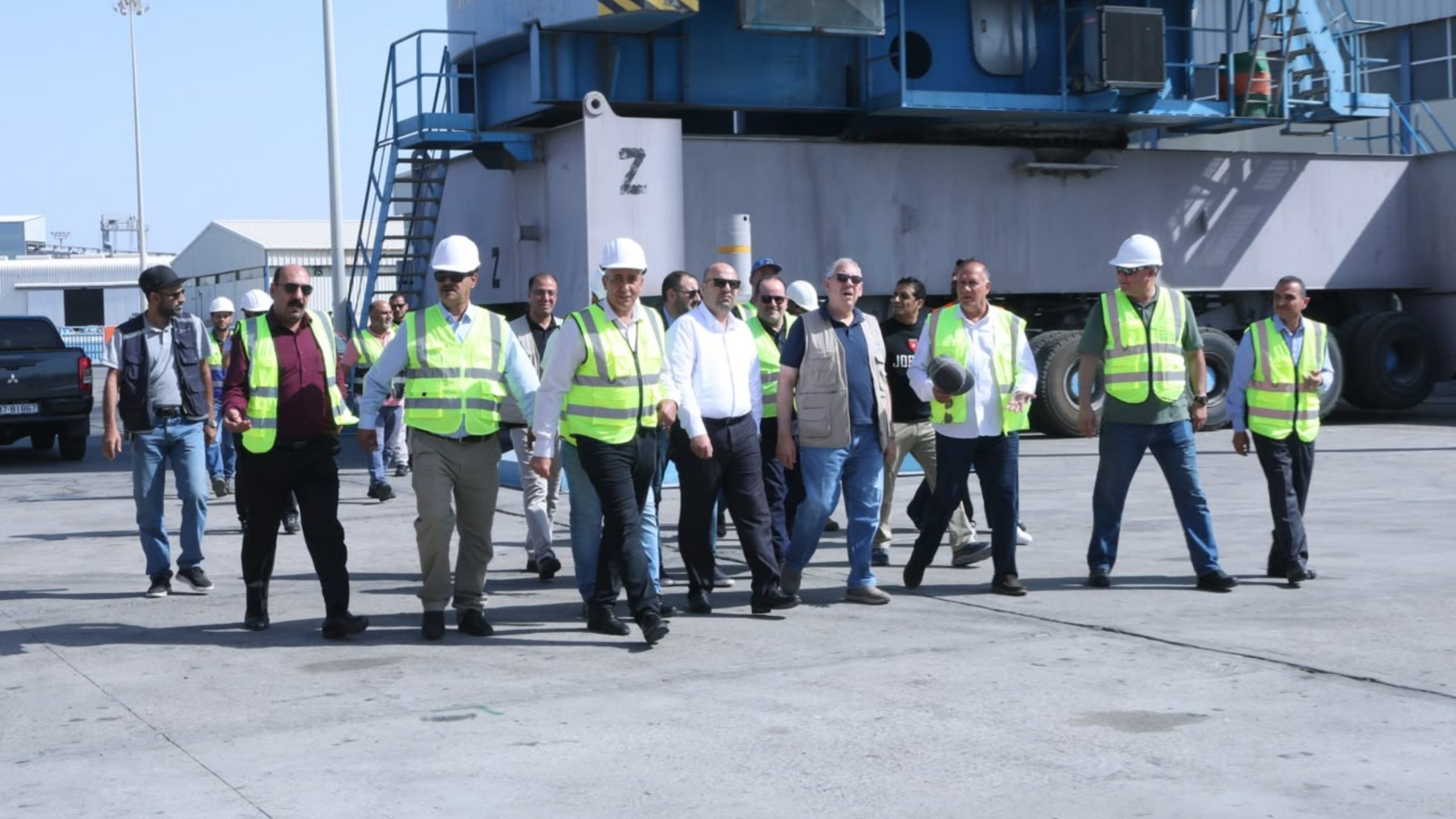
Chairman of the Board of Commissioners of the Aqaba Special Economic
Zone Authority (ASEZA) Shadi Al-Majali said the latest operational
indicators highlight the importance of ongoing investments in
logistics infrastructure and port services to reinforce Aqaba’s role
as a key driver of economic activity and regional trade.
He noted that the ports continue to benefit from advanced
infrastructure, specialized terminals, deep-water berths and modern
cargo-handling equipment, enabling them to efficiently accommodate a
broad range of vessels and cargo types.
Al-Majali made the remarks during a visit to the Aqaba Port
Management and Operations Company, accompanied by ASEZA Commissioner
for Economic Affairs and Investment Mohammad Abu Omar and Aqaba
Development Company Executive Director for Transport and Logistics
Abdul Salam Obeidat.
During the visit, officials reviewed cargo movement, shipping
activity and operational procedures aimed at maintaining the smooth
flow of logistics operations and improving service delivery.
Director General of the Aqaba Port Management and Operations Company
Mahmoud Khleifat said the multipurpose port handled approximately 2.8
million tons of cargo during the reporting period, marking a 38
percent increase compared with the same period last year.
The port received 164 vessels, compared with 150 vessels during the
corresponding period of 2025, representing growth of 9.3 percent.
Khleifat said the significant increase in cargo volumes relative to
vessel traffic reflects improved operational efficiency and a greater
ability to accommodate larger vessels carrying higher cargo loads.
Transit cargo destined for Iraq remained one of the primary
contributors to growth, with volumes expected to surpass one million
tons by the end of June, further reinforcing Aqaba’s role as a
gateway for regional trade flows.
The port also handled approximately 62,000 head of live cattle during
the period, while transit cargo remained diversified across several
commodity groups.
Sugar shipments accounted for 55 percent of total transit cargo
volumes, followed by corn and barley shipments at 33 percent,
highlighting the port’s growing importance in handling strategic
commodities linked to regional food supply chains.
Al-Majali reaffirmed ASEZA’s commitment to working with stakeholders
to further enhance logistics services, improve port efficiency, and
strengthen Aqaba’s competitiveness as an integrated economic and
logistics center serving regional and international markets.
//Petra// RZ