
Jordan’s Q2 2026 GDP Expands 3.0%, Outperforming Regional Headwinds, International Forecasts
ENV-KUWAIT-SUSTAINABLITYKuwait strengthens environmental sustainability through strategic initiativesBy Zahra Al-Kadhmi

HLT-KUWAIT-SURGERYKuwait advances health sector with robotic, remote surgeryBy Mohammad Al-Moseb

Saudi Arabia’s Voluntary Carbon Market Fuels the Shift to a Low-Carbon
Ajloun, Oct 19 (Petra) – In Ajloun Governorate, drying figs is an
economic opportunity to maximize profit from the harvest after the
picking season by turning the fruit into a shelf-stable, marketable
food product, opening new prospects for farmers and productive
households.
The food processing of agricultural crops is a key pathway for
enhancing their economic value, said Saitan Sarhan, Ajloun Director
of Agriculture, adding that drying figs helps reduce post-harvest
losses and allows the fruit to be utilized well beyond the production
season, a significant advantage, given that fresh figs are highly
perishable.
Fig cultivation in the northwestern region is deeply-rooted in its
agricultural landscape and diverse range of fruit-bearing trees, he
pointed out.
The profit from the crop transcends selling it fresh, as it can also
be processed domestically, which helps diversify rural products and
create additional avenues for farmers to market their harvest, said
Sarhan, said Sarhan.
Ahmed Zeitoun, a farmer, said the fig season, now coming to an end,
kept farmers busy picking and marketing the fruit as it ripened.
For a farmer, a successful season depends not only on the quality of
the produce, but the ability to deliver it to consumers in a timely
fashion, as well, a challenge, given the delicate nature of the fruit
and the difficulty of keeping it fresh for extended periods, said
Zeitoun.
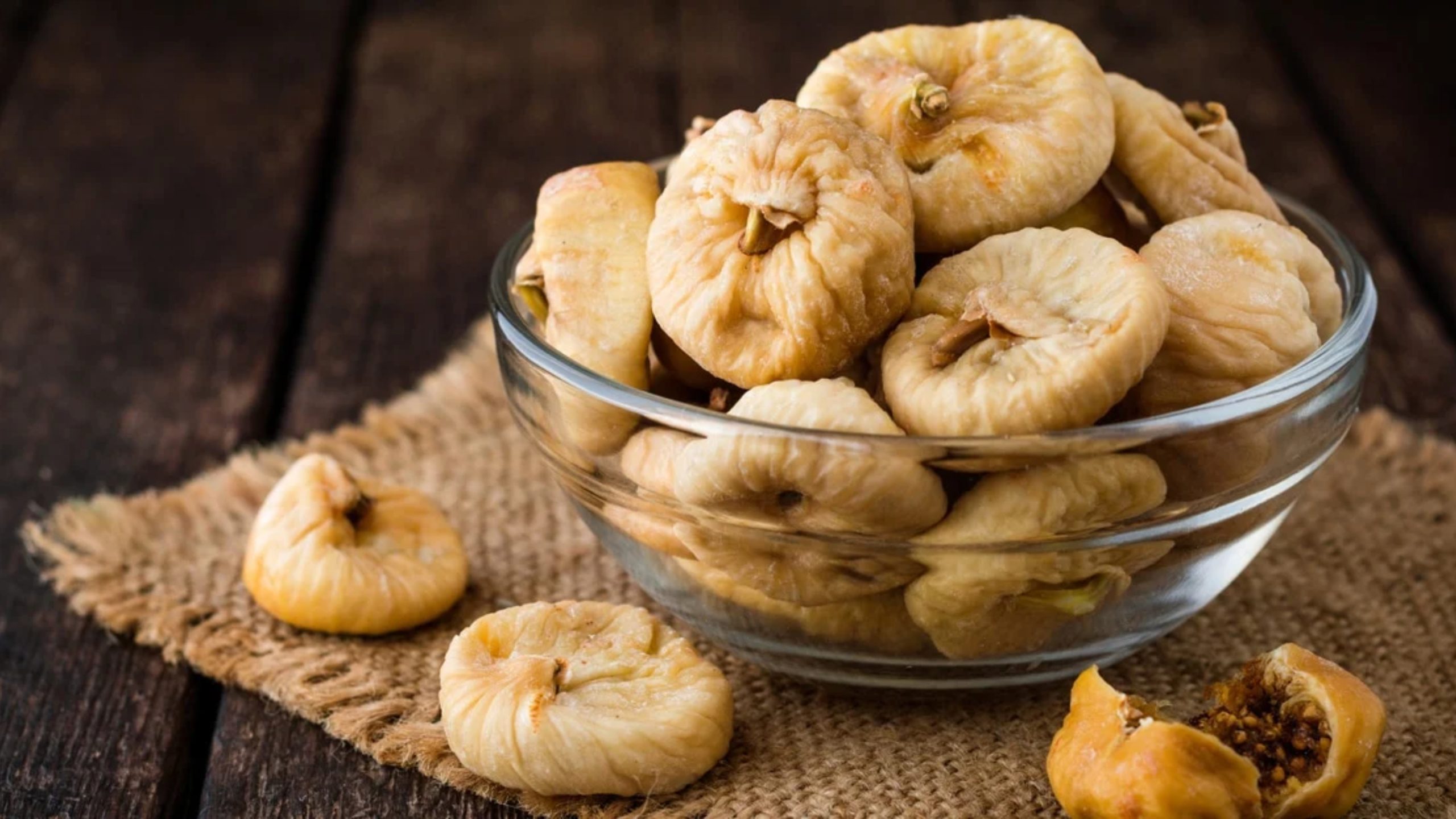
Aida Soyuf, who prepares dried figs, commonly known as Quttain, said
it is a long-standing domestic tradition in Ajloun, where families
have historically utilized ripe figs to create provisions that remain
available long after the harvest season ends, a custom that still
holds significance for many households in the region today.
It starts with selecting ripe, high-quality figs, which are then
prepared and sun-dried. Throughout this stage, they require constant
monitoring before being stored in a dry, moisture-free environment,
she said.
Soyuf stressed that careful attention to each step of the process
directly influences the final product’s quality, appearance, and
shelf life.
Ibtisam Freihat, Deputy Head of the Wadi Rajeb Women’s Association,
said food production allows women to leverage their domestic skills
and transform them into productive economic opportunities.
She said quttain can help diversify household income, especially when
families transition from preparing these goods for personal
consumption to offering them for sale.
Freihat said the main challenge for home-based products lies not just
in their preparation, but also in marketing and reaching the
consumer.
She urged better packaging methods and securing retail outlets that
enable productive families to generate a return on their labor.
Wasfi Abu Kaf, an herbalist and purveyor of traditional goods, said
quttaun remains a staple in such shops, particularly after fresh figs
have disappeared from the market.
Consumer demand for the product is driven by the desire for an item
that can be stored and enjoyed at various times throughout the year,
he said.
The herbalist pointed out that buyers’ choices vary regarding the
size, color, and dryness of the fruit, noting that the product’s
origin and how it is presented are factors that influence purchasing
decisions.
He further pointed out that highlighting the identity and quality of
locally produced dried figs could help bolster their market presence.
//Petra//SS