
Jordan’s Q2 2026 GDP Expands 3.0%, Outperforming Regional Headwinds, International Forecasts
ENV-KUWAIT-SUSTAINABLITYKuwait strengthens environmental sustainability through strategic initiativesBy Zahra Al-Kadhmi

HLT-KUWAIT-SURGERYKuwait advances health sector with robotic, remote surgeryBy Mohammad Al-Moseb

Saudi Arabia’s Voluntary Carbon Market Fuels the Shift to a Low-Carbon

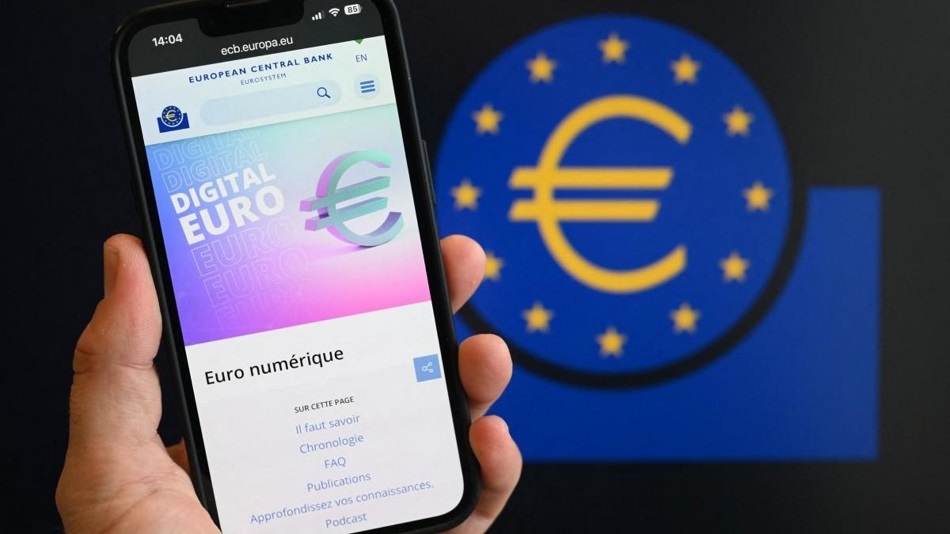
Brussels, June 23 (Petra) — The European Parliament’s Committee on
Economic and Monetary Affairs approved the long-awaited digital euro
draft bill on Tuesday, marking a strategic move by the European Union
to reduce its reliance on the dominant United States payment
infrastructure.
According to Euro-News, the European Central Bank (ECB) welcomed the
legislative milestone in an official statement. The ECB noted that
the committee’s agreement on the single currency package ensures the
continued protection of physical euro cash as legal tender while
simultaneously establishing the regulatory framework to shape the
digital euro’s future implementation.
Under the current proposal, consumers will be permitted to hold
digital euros within a dedicated digital wallet, subject to a maximum
holding limit that is yet to be determined.
The payment system is designed to support both online and offline
transactions while maintaining high privacy standards. According to
the blueprint, the ECB will not be able to directly identify
individual users from their transactional payment data.
Operationally, the ECB will provide the core back-end infrastructure,
while commercial banks and payment service providers will handle
direct distribution and customer-facing digital euro services. While
financial institutions are expected to receive compensation for
operating within the ecosystem, merchants will be charged processing
fees that are projected to be significantly lower than those
currently imposed by major card networks.
ECB data underscores the strategic drivers behind the project,
revealing that US payment giants Visa and Mastercard currently
capture 61 percent of all card payments within the eurozone and
facilitate nearly all cross-border card transactions across the bloc.
//Petra// AF