Jordan’s Q2 2026 GDP Expands 3.0%, Outperforming Regional Headwinds, International Forecasts
ENV-KUWAIT-SUSTAINABLITYKuwait strengthens environmental sustainability through strategic initiativesBy Zahra Al-Kadhmi

HLT-KUWAIT-SURGERYKuwait advances health sector with robotic, remote surgeryBy Mohammad Al-Moseb

Saudi Arabia’s Voluntary Carbon Market Fuels the Shift to a Low-Carbon

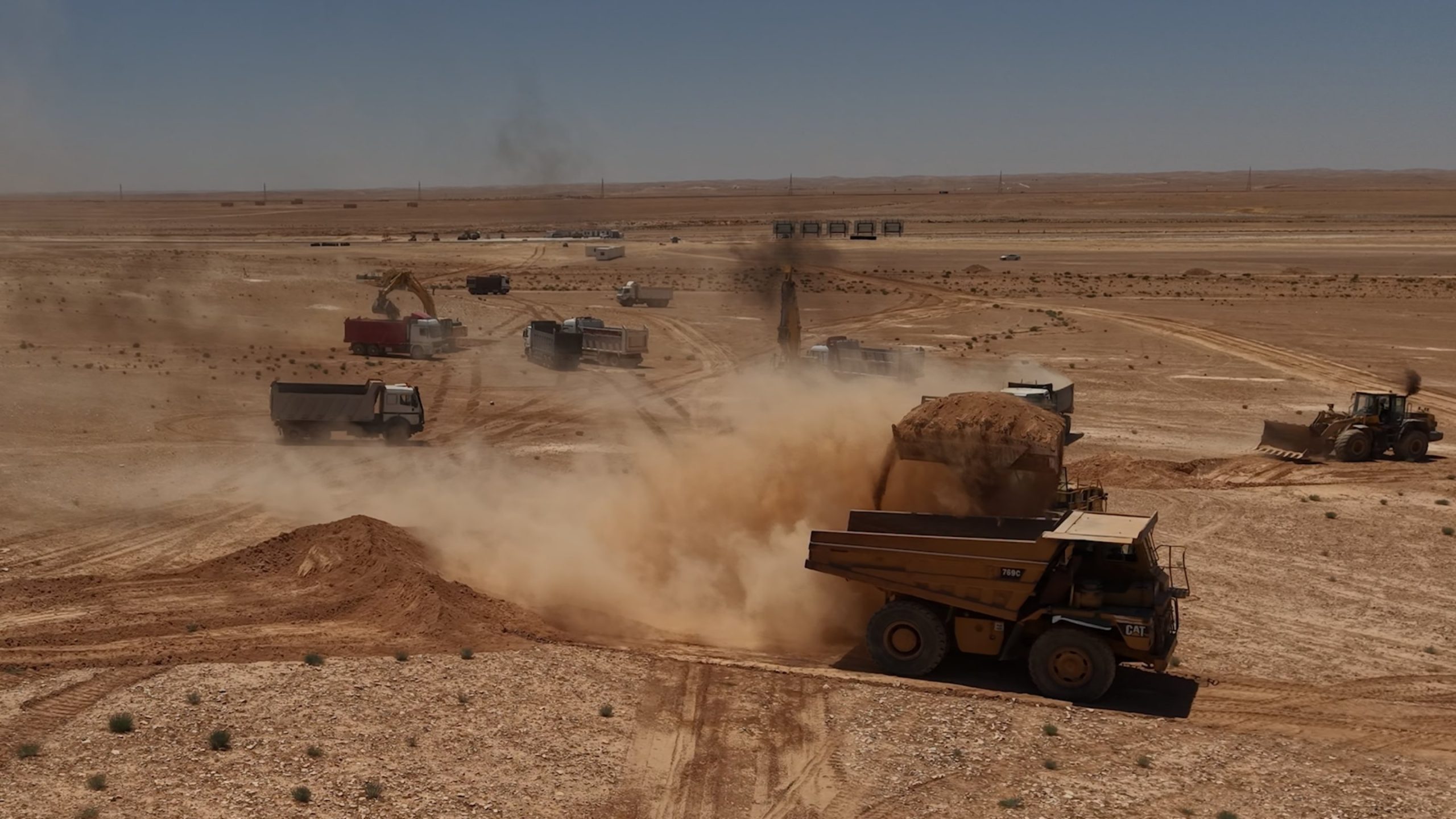
Amman, June 14 (Petra) – Preliminary infrastructure work and
excavation have officially commenced on the Al-Hussein bin Abdullah
II International Stadium project, marking the practical rollout of
the flagship sports complex within the phase-one master plan of Amra
City, according to a Jordan Cities and Facilities Development Company
statement issued Sunday.
The state-backed project aligns with Jordan’s Economic Modernization
Vision. Shovels hitting the ground this week secure the site
footprint ahead of structural engineering and vertical construction,
which is scheduled to break ground at the start of 2027. Developers
have set a completion and grand opening target for late 2029.
The stadium precinct spans a 1,000-dunam site footprint and will
feature a seating capacity of 46,000 spectators, making it the
largest sports venue in the Kingdom. The development incorporates two
dedicated training pitches, a transit hub with 6,000 parking spaces
tailored for cars and coaches, and direct logistical integration into
local public transport networks and the Bus Rapid Transit (BRT)
lanes.
Architecturally, the venue’s design merges modern sports engineering
with elements inspired by traditional Jordanian cultural and
architectural heritage. The facility is being engineered to meet
international stadium standards, utilizing sustainable energy and
water resource management systems alongside high-tech game-day
operations infrastructure.
The structural bowl will be bordered by extensive green buffer zones
featuring native plants and flora compatible with the surrounding
ecosystem. Current site operations remain focused on logistical
preparation, grading, and deep foundation excavations.
On an macroeconomic level, the project is structured to stimulate
high-retention domestic sectors including civil construction,
engineering contracting, and specialized industrial supply chains.
Project leads forecast the generation of hundreds of direct jobs
across the construction phase and subsequent long-term stadium
operations.
The Jordan Cities and Facilities Development Company – the entity
managing investor relations, procurement, and joint-venture
partnerships for the Amra City program – is a wholly state-owned
enterprise operating under the Jordan Investment Fund.
//Petra// AA