
Jordan’s Q2 2026 GDP Expands 3.0%, Outperforming Regional Headwinds, International Forecasts
ENV-KUWAIT-SUSTAINABLITYKuwait strengthens environmental sustainability through strategic initiativesBy Zahra Al-Kadhmi

HLT-KUWAIT-SURGERYKuwait advances health sector with robotic, remote surgeryBy Mohammad Al-Moseb

Saudi Arabia’s Voluntary Carbon Market Fuels the Shift to a Low-Carbon

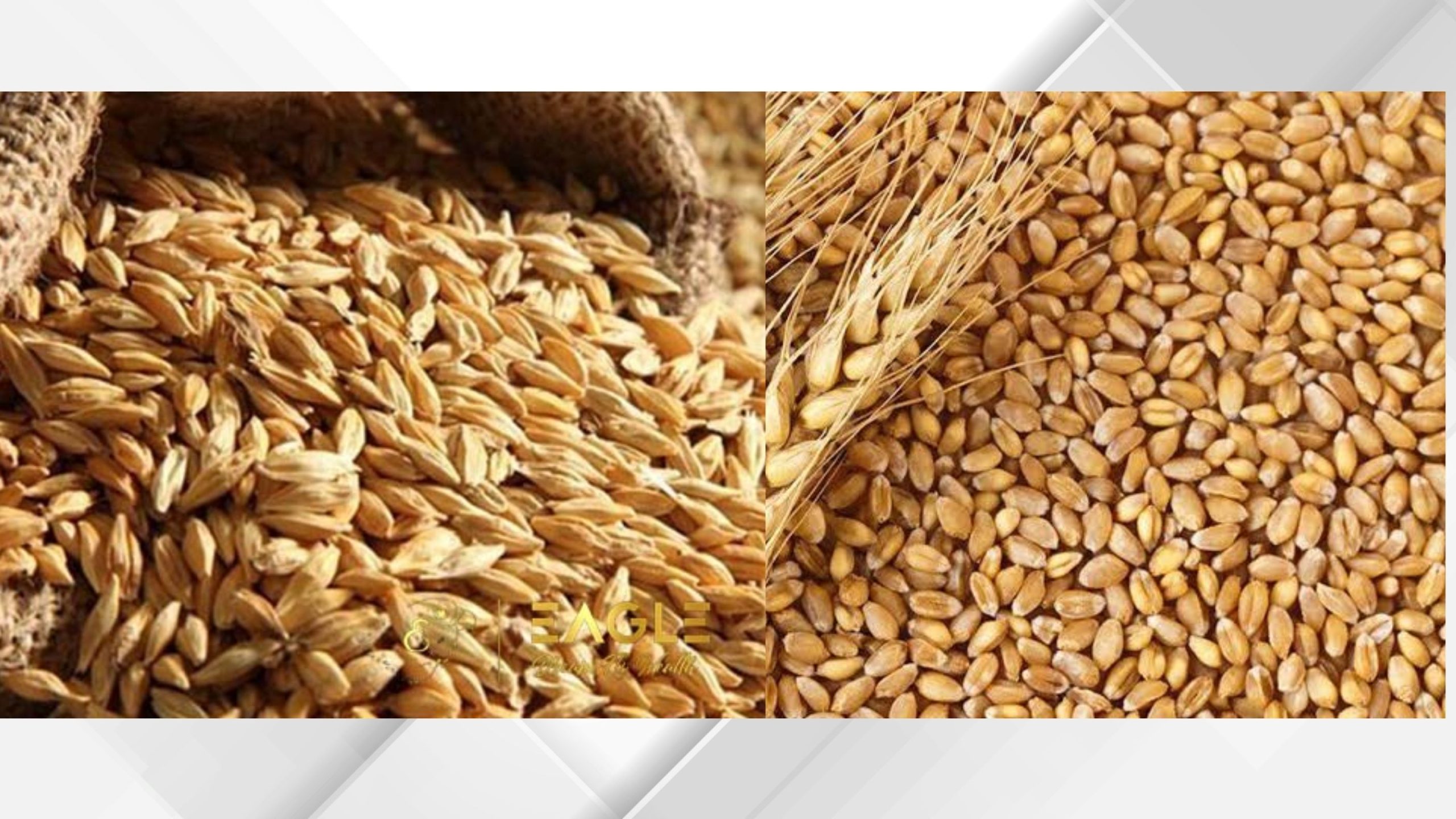
Amman, June 22 (Petra) — The Jordanian government has taken new
steps under its Economic Modernization Vision to support the
agricultural sector by increasing financial allocations for wheat and
barley procurement for the 2025/2026 season to JD 45 million.
The Cabinet also approved attractive and pre-announced purchase
prices for seed and milling varieties, aiming to encourage
sustainable farming, protect farmers’ incomes, and reduce reliance on
imports of strategic crops.
Officials expect procurement this season to exceed 100,000 tons, a
development seen by agricultural experts as a clear message of
government support for farmers and an effort to ease rising
production costs. Experts stressed that linking financial incentives
with agricultural research and improving productivity per unit of
land will be essential for achieving long-term food security goals.
The decision was widely welcomed by farmers, who view it as a step
toward more stable and predictable income. At the same time, they
emphasized the need for continued support through modern farming
techniques, extension services, and technological solutions to boost
yields and reduce costs.
Experts told the Jordan News Agency (Petra) that announcing
procurement prices ahead of the planting season helps farmers make
informed decisions and plan their production more effectively. This
approach, they said, strengthens confidence in the agricultural
sector, encourages investment, and supports the expansion of
cultivated areas, contributing to national food security and reducing
exposure to global price fluctuations.
The Director-General of the Jordan Farmers Union, Mahmoud Al-Awran,
praised the decision as a strong form of support for field crop
farmers, noting that it reflects government commitment to food
security and agricultural investment. He said that with expected
production reaching around 110,000 tons and the announced pricing
structure, farmers are better positioned to invest in and expand
cultivation.
He added that improved rainfall this season has increased yields,
encouraging farmers to expand wheat and barley cultivation and use
barley for livestock feed, reducing dependence on imported feed. He
also called for greater scientific research into rain-fed agriculture
to further improve productivity.
University of Jordan professor Ayed Al-Abdallat described the support
for wheat and barley farmers as a direct investment in national food
security. He noted that although local production remains below
national consumption needs, any increase in output helps reduce
import dependency and strengthens resilience against global supply
disruptions.
He explained that Jordan imports large quantities of wheat and barley
annually to maintain a strategic stock sufficient for long periods in
light of supply chain disruptions. Jordan consumes about one million
tons of wheat annually to cover bread consumption, and although local
production covers a limited percentage, reaching wheat production of
50 thousand tons would cover about 5 percent of consumption, which is
an important percentage given the limited water resources and
reliance on rainfed agriculture.
Al-Abdallat also pointed to broader economic benefits, including
support for the livestock sector, reduction in imported feed costs,
and added value through traditional food industries. He stressed the
importance of improving seed varieties, modern farming techniques,
and knowledge transfer to farmers through training and research
institutions.
Meanwhile, Emad Ayasrah, head of the Agricultural Entrepreneurship
and Innovation Association, said strengthening domestic production of
strategic crops is essential for national food security. He
highlighted opportunities for innovation in smart storage, grain
processing, logistics, and agri-tech solutions.
He added that expanding production could stimulate startups in
agricultural services, transport, packaging, and digital solutions,
creating new job opportunities and supporting rural development.
He also emphasized the importance of partnerships between farmers,
government institutions, the private sector, and research centers to
enhance innovation and align with national economic goals.
//Petra//WH