Saudi Arabia’s Voluntary Carbon Market Fuels the Shift to a Low-Carbon

Under UAE President’s directives, UAE launches urgent relief response for Ghana flood victims

Combating Desertification and Drought: Qatar a Model in Preserving Natural Resources, Establishing Environmental Stability
UAE allocates US$30 million for emergency humanitarian response in El Obeid, calls for civilian protection, safe humanitarian aid access in Sudan

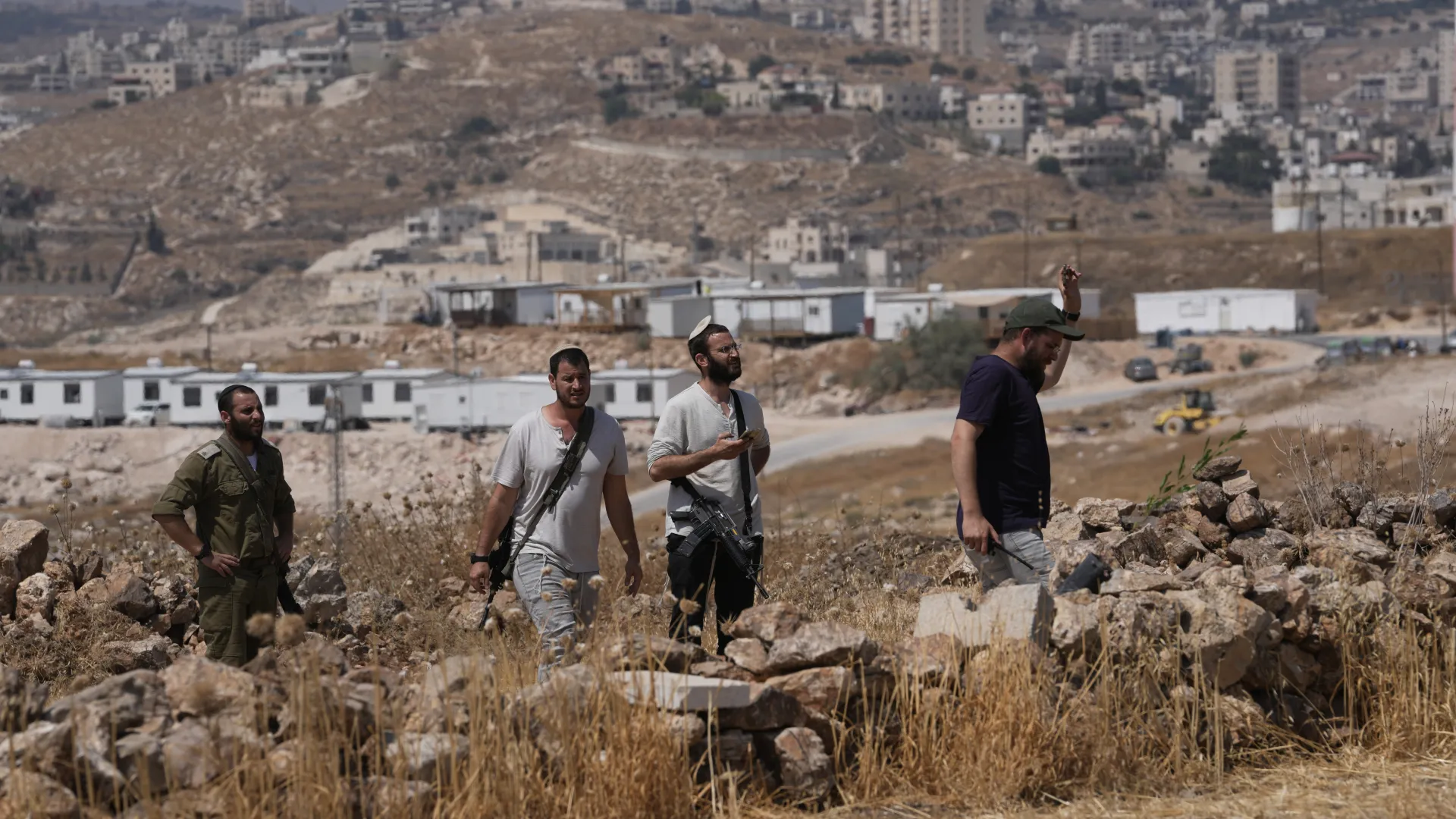
Ramallah, Aug. 25 (Petra)– The Palestinian Wall and Settlement
Resistance Commission reported a sharp rise in attacks by extremist
Jewish settlers in the occupied West Bank during the first seven
months of 2026, recording 4,113 attacks, an increase of 1,589
incidents, or 63 percent, compared with 2,524 attacks during the same
period last year.
In a statement issued Tuesday, the commission said settler attacks
this year exceeded, without exception, the levels recorded in the
corresponding months of 2025. The highest figures were recorded in
June and July, with 748 and 798 attacks respectively, compared with
442 and 466 attacks during the same months last year.
The commission explained that the pace of attacks did not follow a
consistently upward trend throughout the months, but remained at high
levels before rising significantly as the middle of the year
approached, reflecting the expanding scope and repeated nature of the
attacks.
It stressed that the attacks should not be treated as isolated
incidents, saying they have taken place within what it described as a
“political, security and legal enabling environment” that has
strengthened since the formation of the far-right government at the
end of 2022.
The commission said the escalation in attacks coincided with the
expansion of settlement outposts, particularly herding outposts, the
arming of settlers and the incorporation of some of them into
security formations, in addition to providing them with military
protection and a decline in accountability for attacks against
Palestinians.
It added that there is growing operational coordination between the
Israeli occupation forces and settlers in asserting control over the
land and restricting Palestinians’ access to their lands and sources
of livelihood.
The commission warned that weak international positions and
inadequate deterrence and accountability mechanisms have contributed
to turning settler attacks from isolated incidents into an organized
tool for creating new geographic realities and pushing Palestinian
communities toward shrinking and displacement.
//Petra// MF