Jordan’s Q2 2026 GDP Expands 3.0%, Outperforming Regional Headwinds, International Forecasts
ENV-KUWAIT-SUSTAINABLITYKuwait strengthens environmental sustainability through strategic initiativesBy Zahra Al-Kadhmi

HLT-KUWAIT-SURGERYKuwait advances health sector with robotic, remote surgeryBy Mohammad Al-Moseb

Saudi Arabia’s Voluntary Carbon Market Fuels the Shift to a Low-Carbon

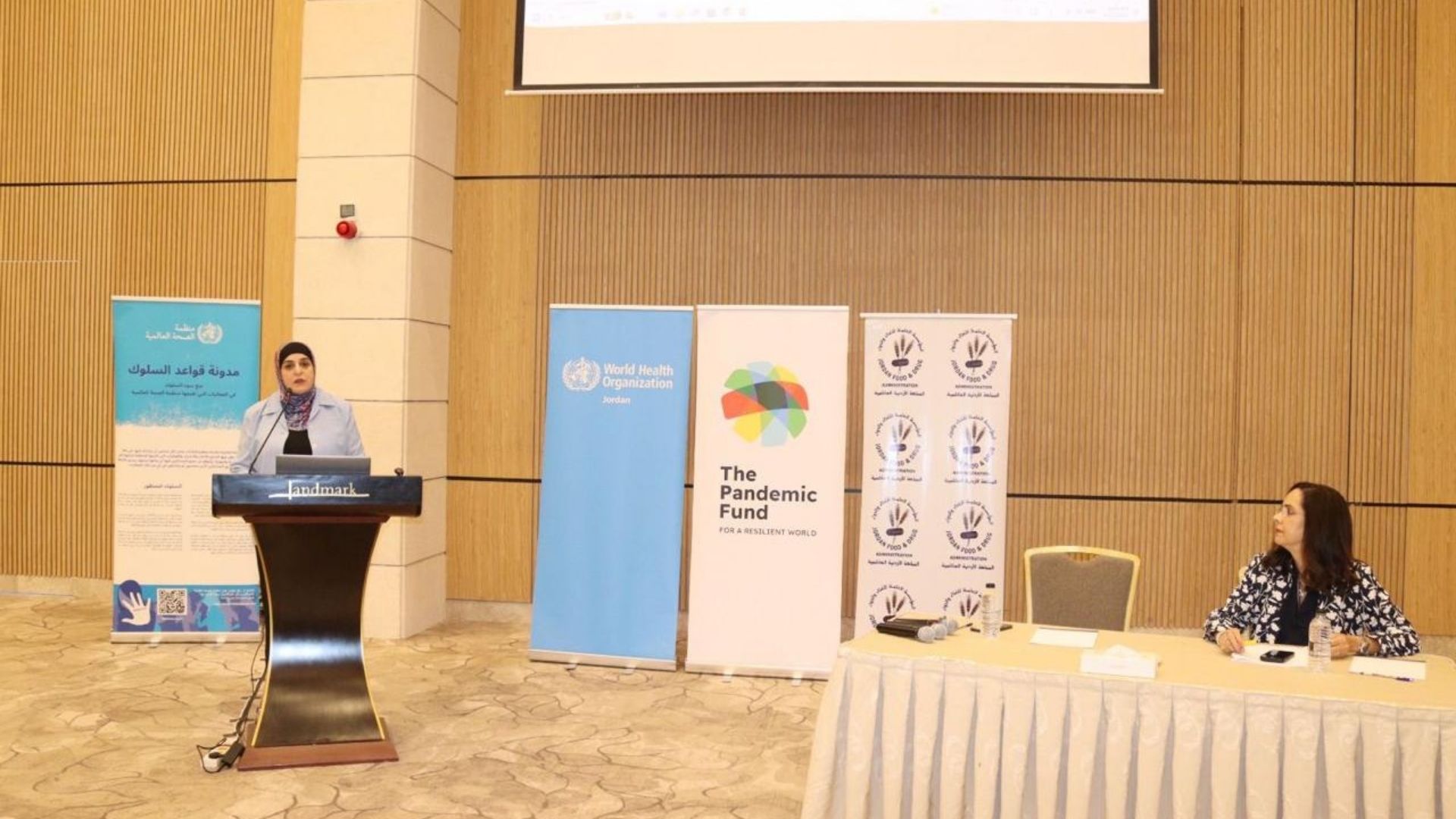
Amman, June 23 (Petra) – Jordan’s Food and Drug Administration (JFDA)
launched a World Health Organization (WHO) backed training program on
Tuesday to strengthen pharmacists’ role in fighting antimicrobial
resistance (AMR).
JFDA Director General Rana Obeidat and WHO Representative in Jordan
Iman Shanqiti inaugurated the program.
Obeidat said JFDA is working within a comprehensive national
framework to address AMR by enforcing a national action plan and
pharmaceutical regulations, as well as adopting internationally
recognized scientific guidelines, including the WHO’s AWaRe (Access,
Watch, Reserve) classification tool for antibiotics.
She said the JFDA is committed to improving prescribing and
dispensing practices, raising public awareness, and encouraging
evidence-based antibiotic use among healthcare providers and
patients.
The training program includes a series of specialized sessions
covering the global and national impact of antimicrobial resistance,
action plans, monitoring and evaluation mechanisms, regulatory
responses, and strategies for empowering pharmacists as agents of
change.
Targeting pharmacists working in community pharmacies, the program
will be delivered to four groups over three weeks, aiming to deepen
participants’ understanding of antimicrobial resistance and equipping
them with practical tools to implement antibiotic stewardship
principles, while ensuring consistent public awareness messaging
across the sector.
Preserving the effectiveness of antibiotics requires strict adherence
to regulations and sustained efforts to promote their rational use,
Obeidat said, noting that the JFDA continues to strengthen inspection
and oversight measures to curb misuse and safeguard antibiotic
effectiveness for future generations.
Community pharmacists hold a pivotal role in the fight against AMR
through patient counseling, she continued, ensuring antibiotics are
used only when medically necessary through adherence to prescribed
doses and treatment durations, as well as discouraging
self-medication and the sharing or stockpiling of antibiotics.
Shanqiti, in turn, said that antimicrobial resistance extends far
beyond hospitals, beginning with every decision to prescribe,
dispense, or use an antibiotic.
Pharmacists are the first line of defense when ensuring antibiotics
remain effective for future generations, she said, adding that
responsible practices are essential to strengthening national health
security and public health.
//Petra// HA