Jordan’s Q2 2026 GDP Expands 3.0%, Outperforming Regional Headwinds, International Forecasts
ENV-KUWAIT-SUSTAINABLITYKuwait strengthens environmental sustainability through strategic initiativesBy Zahra Al-Kadhmi

HLT-KUWAIT-SURGERYKuwait advances health sector with robotic, remote surgeryBy Mohammad Al-Moseb

Saudi Arabia’s Voluntary Carbon Market Fuels the Shift to a Low-Carbon


Amman, Oct. 6 (Petra) — Minister of Environment Ayman Suleiman on
Tuesday called for stronger regional cooperation, data and expertise
sharing, and science-based policies to address air pollution and
improve air quality across West Asia.
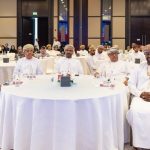
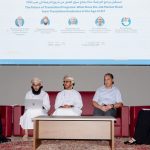
Speaking at the opening of the fourth regional meeting of the West
Asia Air Quality Network in Aqaba, Suleiman stressed the need for
joint action to address sources of air pollution and their effects on
human health, ecosystems and the climate.
The meeting, organized by the United Nations Environment Programme
(UNEP) Regional Office for West Asia, brings together experts and
representatives from countries across the region and specialized
international organizations. It will be followed by a
capacity-building workshop on Oct. 7-8.
Suleiman described air pollution as a major environmental and public
health challenge, noting that pollutants cross national borders and
that the region is also affected by sand and dust storms.
He highlighted the network’s role as a platform for regional
coordination, knowledge and expertise exchange and capacity-building,
helping countries develop more effective measures to curb air
pollution while linking air-quality improvements with climate action
and sustainable development.
Turning to Jordan’s efforts, Suleiman said the Kingdom continues to
implement policies and programs under the Economic Modernization
Vision in renewable energy, energy efficiency and sustainable
transport to reduce emissions and improve air quality.
Renewable energy projects accounted for about 26.9 percent of
Jordan’s electricity generation mix at the end of 2024, he noted,
adding that the Environment Ministry is continuing to develop its
air-quality monitoring system and provide reliable data to support
environmental decision-making.
Suleiman reaffirmed Jordan’s commitment to working through the
regional network to develop common tools and practical responses to
air pollution challenges, describing the meeting as an opportunity to
translate knowledge into action and identify priorities for joint
efforts toward cleaner air and a more sustainable environment.
The meeting is examining regional cooperation on air quality, data
and best-practice sharing, national and regional challenges and
priorities, and ways to strengthen monitoring, assessment and
capacity-building to support policies aimed at improving air quality
and reducing its environmental and health impacts.
//Petra// AJ