Jordan’s Q2 2026 GDP Expands 3.0%, Outperforming Regional Headwinds, International Forecasts
ENV-KUWAIT-SUSTAINABLITYKuwait strengthens environmental sustainability through strategic initiativesBy Zahra Al-Kadhmi

HLT-KUWAIT-SURGERYKuwait advances health sector with robotic, remote surgeryBy Mohammad Al-Moseb

Saudi Arabia’s Voluntary Carbon Market Fuels the Shift to a Low-Carbon

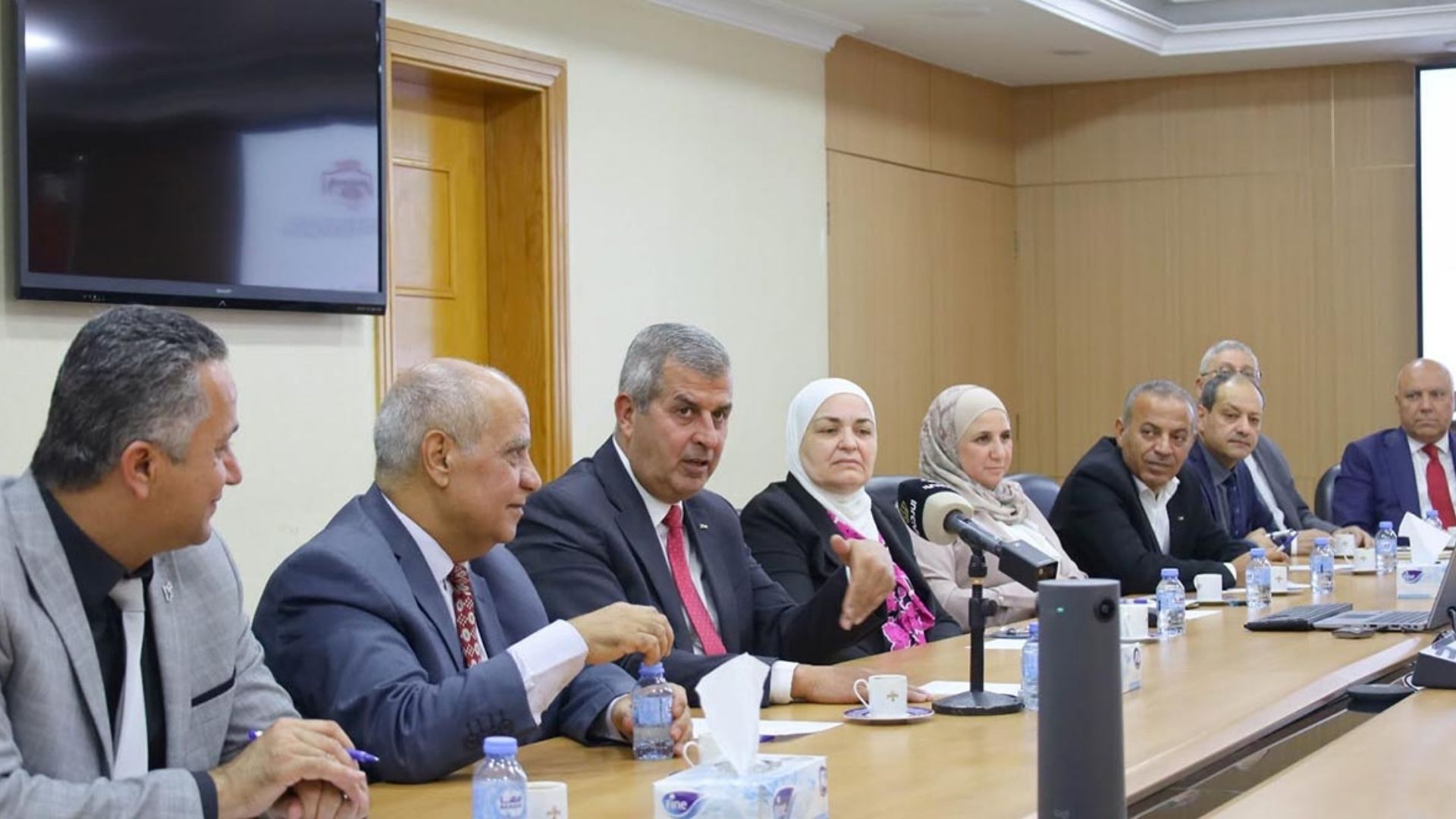
Amman, June 14 (Petra) — Minister of Energy and Mineral Resources
Saleh Kharabsheh on Sunday outlined the key pillars of Jordan’s
Energy Sector Strategy 2025-2035, highlighting projects and
initiatives aimed at strengthening energy security, achieving
financial sustainability and advancing the mineral resources sector.
During a meeting with the Senate’s Energy and Mineral Resources
Committee, chaired by Farouk Hayari, Kharabsheh said the ministry is
implementing a financial sustainability plan to reduce losses
incurred by the National Electric Power Company (NEPCO), address
accumulated financial obligations and improve the overall efficiency
of the electricity sector. The plan also focuses on reducing
electricity losses and enhancing the performance of the national
power grid.
Kharabsheh noted that the construction of two power generation plants
with a combined capacity of 1,400 megawatts will strengthen the
reliability of the electricity system and help meet future demand.
On regional energy integration, he said the ministry is working to
double the capacity of the electricity interconnection line with
Syria and Lebanon and is seeking the necessary financing to implement
the project. He added that work is continuing on the Jordan-Saudi
electricity interconnection project in line with agreements signed
between the two countries.
The minister also highlighted Jordan’s efforts to develop green
hydrogen projects, describing them as a strategic priority that will
reinforce the Kingdom’s position as a regional hub for clean energy
while capitalizing on its competitive advantages in renewable energy.
Kharabsheh said the National Petroleum Company is proceeding with
plans to drill additional natural gas wells to increase domestic
production, with the goal of covering a significant share of the
Kingdom’s gas needs by 2029.
He added that the ministry continues to expand natural gas
infrastructure by supplying industrial cities with gas and extending
the network to additional industrial zones across the Kingdom.
In the exploration sector, Kharabsheh said the ministry plans to
launch tenders for a 3D seismic survey in the East Jafr region
covering approximately 4,800 square kilometers, with preliminary
results expected by the end of the year.
Addressing the mining sector, he highlighted the enactment of the
Mineral Resources Law and reviewed the Abu Khashiba Agreement and its
implementation framework, noting that the government’s share of
profits could reach up to 65 percent under the agreement.
He stressed that mining legislation is designed to maximize the added
value of Jordan’s natural resources by encouraging downstream
processing industries and limiting the export of raw mineral ores.
Such measures, he said, will support economic growth and create
employment opportunities for Jordanians.
Kharabsheh also reviewed national programs and awareness campaigns
aimed at improving energy efficiency and rationalizing energy
consumption across various sectors, contributing to lower energy
costs, greater sustainability and more efficient use of resources.
Committee members underscored the importance of continuing strategic
energy and mining projects and commended efforts to strengthen energy
security and increase the contribution of domestic resources to
Jordan’s energy mix, supporting economic growth and enhancing
national competitiveness.
//Petra// AJ