Jordan’s Q2 2026 GDP Expands 3.0%, Outperforming Regional Headwinds, International Forecasts
ENV-KUWAIT-SUSTAINABLITYKuwait strengthens environmental sustainability through strategic initiativesBy Zahra Al-Kadhmi

HLT-KUWAIT-SURGERYKuwait advances health sector with robotic, remote surgeryBy Mohammad Al-Moseb

Saudi Arabia’s Voluntary Carbon Market Fuels the Shift to a Low-Carbon

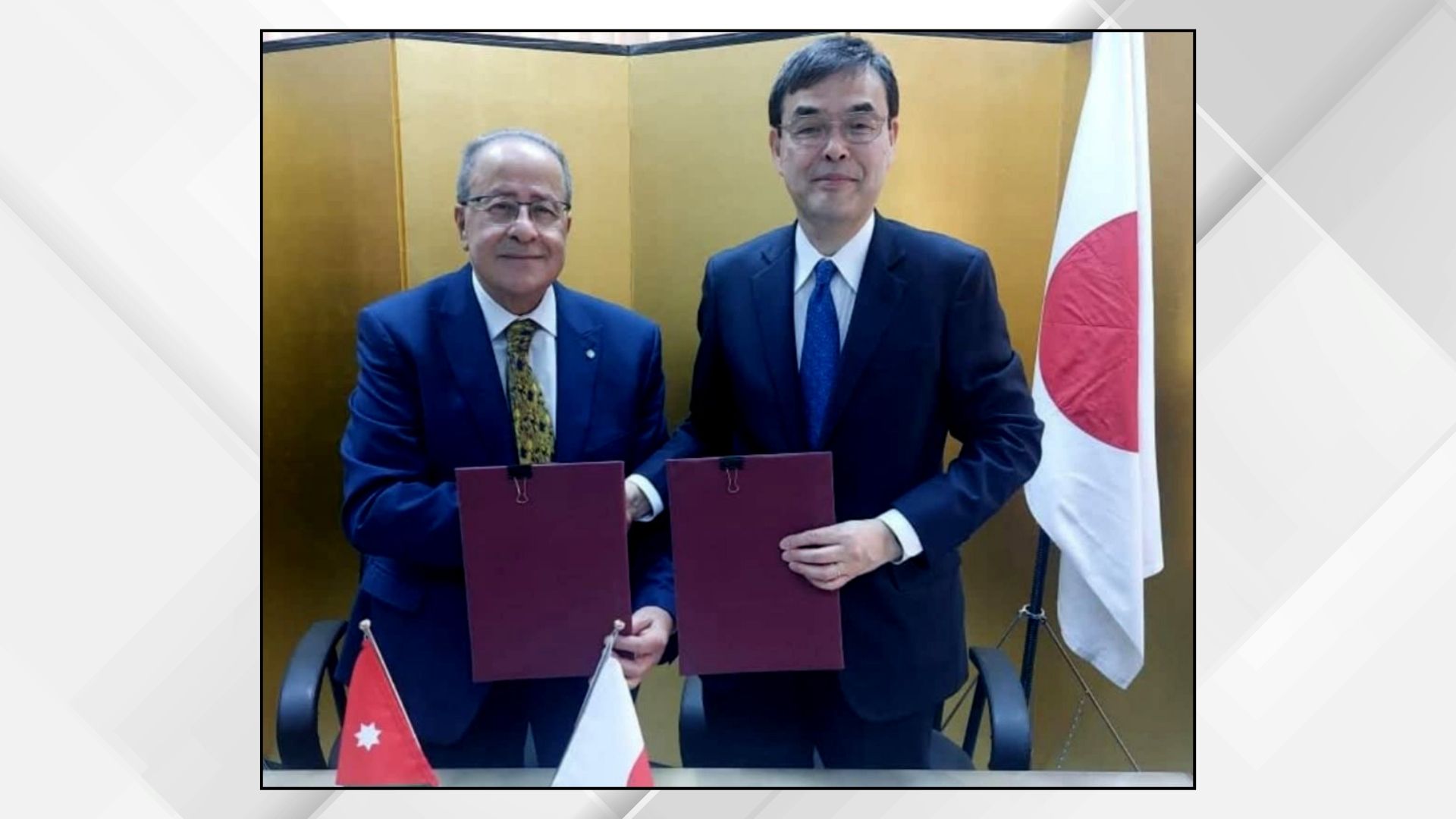
Amman, June 11 (Petra) — The International Federation of Red Cross
and Red Crescent Societies (IFRC), in partnership with the Jordan
National Red Crescent Society (JNRCS), announced the launch of a
humanitarian health project in Jordan funded by the Government of
Japan with more than $2 million.
According to a joint statement issued by the IFRC and JNRCS, the
project is aligned with national health priorities and with the
Jordanian Medical Corridor initiative led by His Majesty King
Abdullah II to provide life-saving treatment for children evacuated
from Gaza to Jordanian hospitals.
Under the project, urgent, specialized and high-quality surgical care
will be provided to children referred from Gaza, including
life-saving surgeries, intensive and post-operative care, essential
medicines and support for the basic needs of children and their
caregivers during treatment and recovery.
The project also aims to strengthen medical transport capacities by
providing an intensive care ambulance and a coaster bus to ensure the
safe transfer of patients and their caregivers between border
crossings, hospitals and rehabilitation facilities.
As part of efforts to expand rehabilitation services, JNRCS will
establish and operate a prosthetic limb production unit at its
hospital in Amman to provide high-quality prosthetic limbs, with
priority given to children medically evacuated from Gaza, as well as
refugees and vulnerable Jordanians.
The step will also provide mental health and psychosocial support
services to address the physical and psychological impacts of
conflict, trauma and displacement.
Talking at the launching ceremony, JNRCS President Mohammed Al Hadid
said the partnership with the Government of Japan and the IFRC would
strengthen the society’s ability to deliver life-saving and
life-changing services to children from Gaza and vulnerable groups in
Jordan. He added that the project would enhance national capacities
in rehabilitation and prosthetics, positively affecting
beneficiaries’ lives and dignity.
Japanese Ambassador to Jordan Asari Hideki, in turn, reiterated his
country’s continued support for Jordan’s health sector, noting that
the assistance reflects Japan’s recognition of Jordan’s role as a
pillar of stability in the region and its support for national
priorities and the Jordanian Medical Corridor initiative.
He said the project would help address critical gaps in specialized
health services for vulnerable groups.
The statement said Japan remains a “long-term strategic” partner of
both JNRCS and the IFRC in Jordan, supporting humanitarian efforts
aimed at saving lives and strengthening the health sector’s ability
to respond to growing needs.
//Petra// NQ