Jordan’s Q2 2026 GDP Expands 3.0%, Outperforming Regional Headwinds, International Forecasts
ENV-KUWAIT-SUSTAINABLITYKuwait strengthens environmental sustainability through strategic initiativesBy Zahra Al-Kadhmi

HLT-KUWAIT-SURGERYKuwait advances health sector with robotic, remote surgeryBy Mohammad Al-Moseb

Saudi Arabia’s Voluntary Carbon Market Fuels the Shift to a Low-Carbon
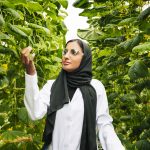
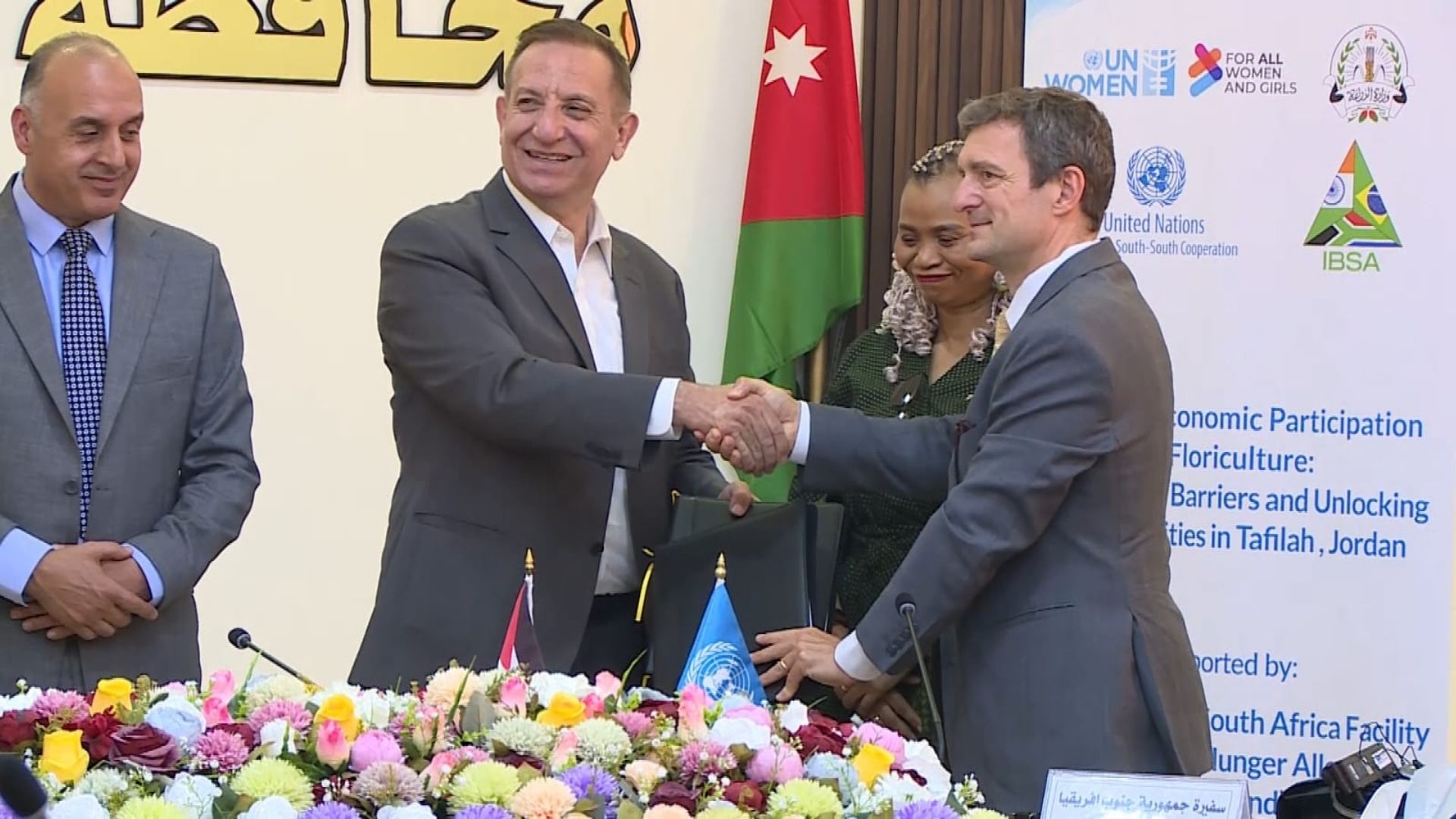
Tafileh, June 14 (Petra) — Minister of Agriculture Saeb Khraisat on
Sunday signed an annex to the “Women’s Economic Participation in
Floriculture in Tafileh” project, aimed at boosting women’s economic
empowerment and promoting sustainable agricultural development in the
governorate.
The project, funded by the India, Brazil and South Africa Facility
for Poverty and Hunger Alleviation (IBSA Fund), will be implemented
through a partnership between the Ministry of Agriculture and UN
Women, with a total budget of approximately $1.917 million, according
to a ministry statement.
Speaking at the signing ceremony, attended by Tafileh Governor Sultan
Al-Madi, South African Ambassador Tselane Mokuena and representatives
of UN Women Jordan, Khraisat said the project supports the ministry’s
efforts to implement its national strategy for agricultural sector
development and sustainable rural growth.
He said the initiative aligns with the 2026-2029 Executive Program of
the Economic Modernization Vision, which focuses on reducing poverty
and unemployment, economically empowering rural women, developing
local communities and enhancing the sustainable use of Tafileh’s
natural resources.
Khraisat described the project as a model for cooperation between
national institutions and international organizations, praising the
role of UN agencies, particularly UN Women, in supporting government
initiatives with developmental, environmental and agricultural
dimensions.
For his part, UN Women Jordan Representative Nicolas Burnait said the
agreement reflects a shared commitment to advancing women’s economic
empowerment through the green economy, local innovation and
international cooperation, helping expand economic opportunities and
foster inclusive and sustainable growth.
He stressed the importance of strengthening South-South cooperation
through the exchange of development expertise and knowledge,
translating them into tangible outcomes that benefit local
communities and support Jordan’s national development priorities and
the Sustainable Development Goals.
Project officials outlined its development, economic, social and
agricultural objectives, highlighting plans to establish a
specialized floriculture and horticulture center in Tafileh.
The center will integrate cut-flower production, green plants and
supporting crops to diversify high-value agricultural exports and
create suitable employment opportunities for women and youth.
The project will also introduce climate-smart agricultural systems to
improve water-use efficiency and strengthen the sustainability of
agricultural production. It’s expected to directly and indirectly
benefit around 500 people through capacity-building, training and
income-generation programs.
The project is projected to create 248 direct and indirect economic
opportunities, including 148 new income-generating opportunities,
while supporting 200 existing agricultural entrepreneurs in
climate-smart agriculture and water-efficient farming practices.
//Petra// NQ