
Jordan’s Q2 2026 GDP Expands 3.0%, Outperforming Regional Headwinds, International Forecasts
ENV-KUWAIT-SUSTAINABLITYKuwait strengthens environmental sustainability through strategic initiativesBy Zahra Al-Kadhmi

HLT-KUWAIT-SURGERYKuwait advances health sector with robotic, remote surgeryBy Mohammad Al-Moseb

Saudi Arabia’s Voluntary Carbon Market Fuels the Shift to a Low-Carbon

AMMAN, Oct. 26 (Petra) – Jordan’s National Food Industry Strategy
(2027–2029) is designed to drive a structural transformation across
the Kingdom’s manufacturing base by scaling up product value
addition, boosting industrial productivity, and deepening supply
chain integration to solidify the global competitiveness of Jordanian
food exports.
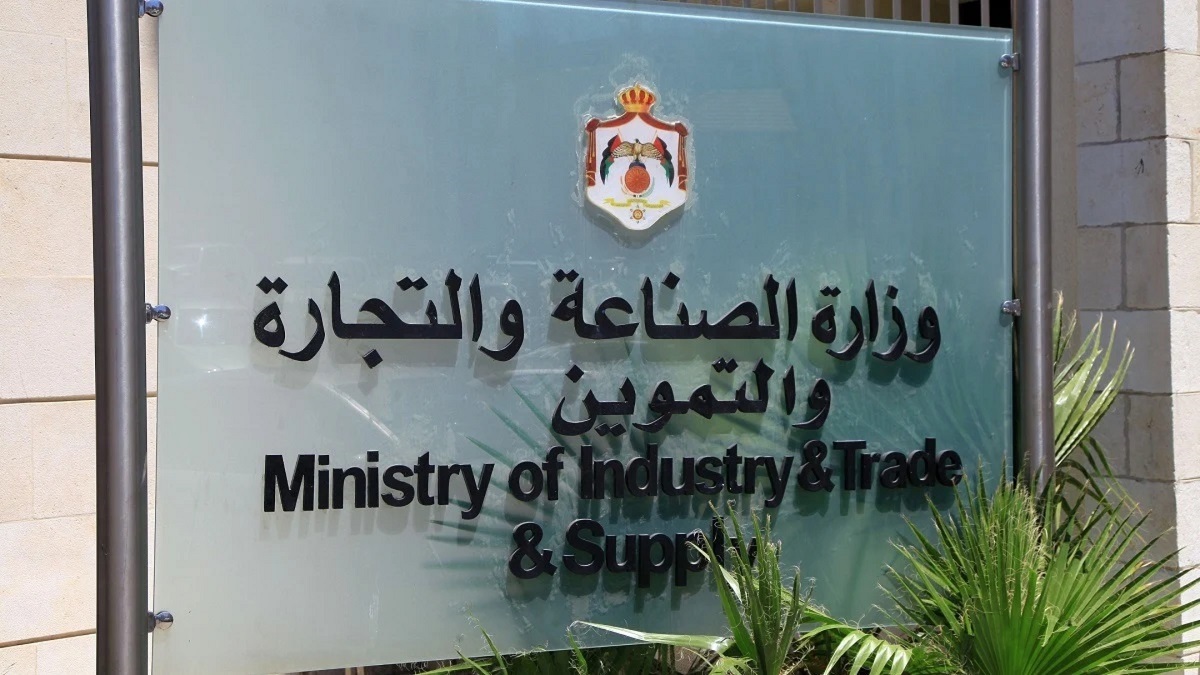
Developed by the Ministry of Industry, Trade and Supply as a key
pillar under the High-Value Industries engine of the Economic
Modernization Vision, the strategy outlines ambitious fiscal
benchmarks. The blueprint sets a national target to expand food
exports from JOD 1.232 billion in 2027 to JOD 1.61 billion by 2029.
Over the same timeframe, total annual sectoral output is projected to
reach between JOD 5.5 billion and JOD 5.8 billion, generating an
estimated overall value-add of JOD 2.2 billion to JOD 2.4 billion for
the national economy.
A central priority of the strategy involves shifting production
paradigms toward high-value goods. High-value-added commodities are
targeted to account for 32 to 35 percent of total sector output by
2029–up from a baseline of roughly 25 percent–while their share of
total food exports is projected to reach 45 to 50 percent.
Priority development segments offering the highest potential for
industrial deepening include fruit and vegetable processing and
preservation, chocolate and confectionery manufacturing, ready-to-eat
meals, and specialized food products.
To accelerate technological adoption across manufacturing facilities,
the strategy aims to raise the proportion of food processing plants
utilizing digital management and operating systems from under 20
percent to between 50 and 60 percent by 2029.
Key operational and regulatory initiatives focus on establishing a
national farm-to-factory digital traceability ecosystem, upgrading
national food testing laboratories, and modernizing export inspection
frameworks to align with technical requirements in target
international markets.
On the supply chain front, the roadmap emphasizes inter-sectoral
integration by expanding contract farming models that connect local
growers directly with processing plants.
It also mandates the development of agro-industrial hubs near primary
farming regions to curb post-harvest losses, alongside structural
investments to enhance cold-chain logistics, localize advanced
packaging industries, establish pilot manufacturing platforms, and
build a unified national export brand for Jordanian food products.
The strategy points to significant export diversification
opportunities, highlighting expanding consumer demand across Asian
and African markets, as well as emerging commercial prospects linked
to regional reconstruction efforts.
Looking toward 2033, long-term indicators aim to push total food
exports to between JOD 2 billion and JOD 2.2 billion, with high-value
goods constituting 40 to 45 percent of production and over 80 percent
of processing facilities operating on fully digitized management
platforms.
Execution oversight will rely on a comprehensive performance
measurement framework that evaluates overall macroeconomic impact
alongside initiative-level metrics, allowing periodic adjustments
based on actual market performance and broader economic shifts.
//Petra// AA