Jordan’s Q2 2026 GDP Expands 3.0%, Outperforming Regional Headwinds, International Forecasts
ENV-KUWAIT-SUSTAINABLITYKuwait strengthens environmental sustainability through strategic initiativesBy Zahra Al-Kadhmi

HLT-KUWAIT-SURGERYKuwait advances health sector with robotic, remote surgeryBy Mohammad Al-Moseb

Saudi Arabia’s Voluntary Carbon Market Fuels the Shift to a Low-Carbon

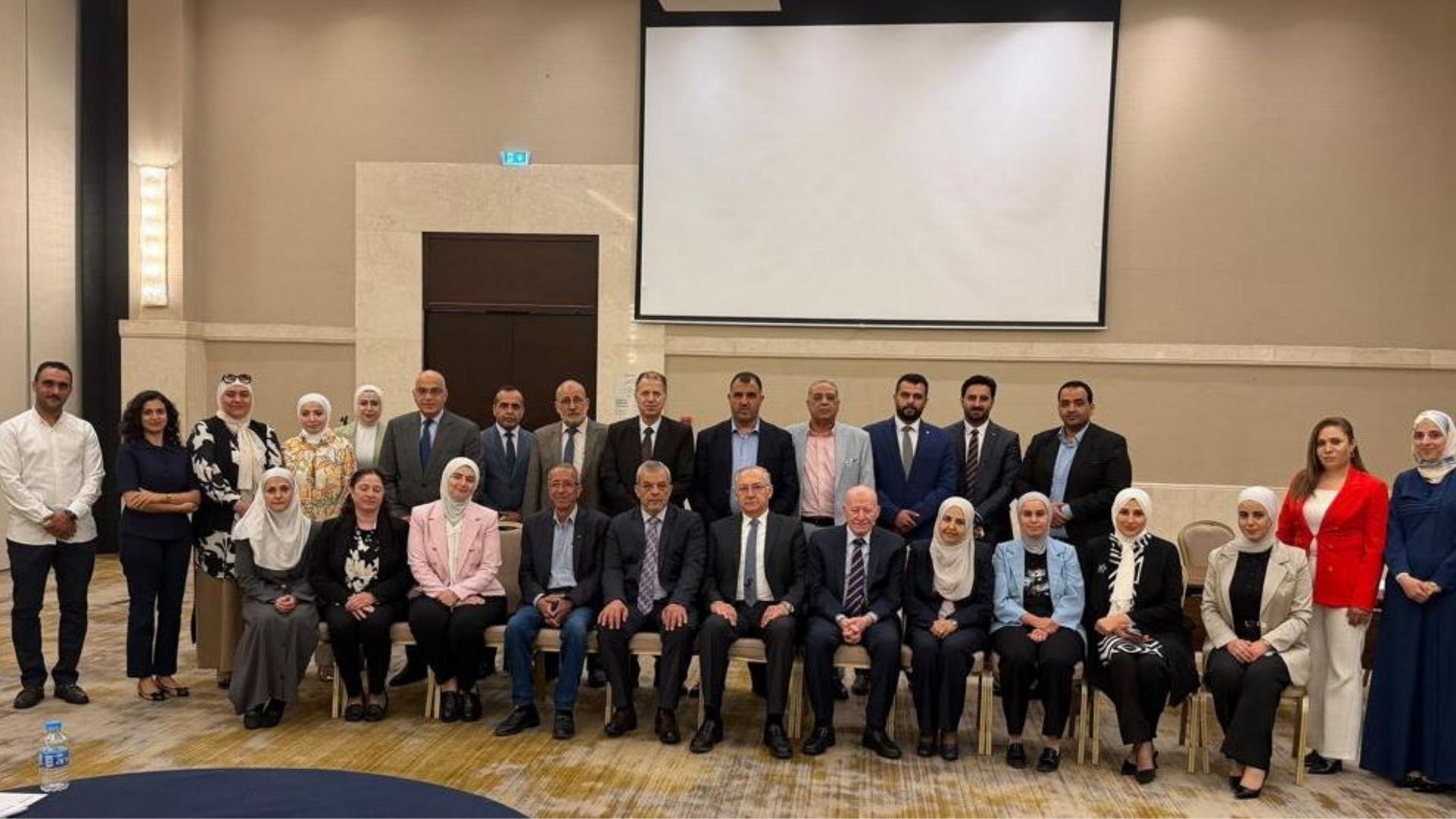
Amman, June 22 (Petra) – A specialized workshop on the Justice
Ministry’s role in implementing international humanitarian law (IHL)
at the national level concluded Monday.
The National Committee for International Humanitarian Law organized
the workshop in cooperation with the International Committee of the
Red Cross (ICRC) and the Ministry of Justice for a group of ministry
employees. It aimed to institutionalize knowledge management and
strengthen awareness of IHL and its importance.
Opening the workshop, National Committee Chairman Mamoun Khasawneh
said the ministry’s sovereign role and legal expertise had
contributed to Jordan’s ratification of 14 international treaties and
conventions, most recently the Rome Statute in 2002. He said respect
for IHL principles, human rights, and human dignity was a key measure
of a country’s advancement.
He noted that international law faces direct challenges arising from
the dominance of power among major states and rapid technological
developments, including cyberattacks.
Khasawneh also highlighted the ministry’s digital transformation, the
judiciary’s efficiency, and the ministry’s membership in the National
Committee for International Humanitarian Law.
Khasawneh praised the role of His Majesty King Abdullah II and his
political acumen, which has preserved Jordan’s security and stability
amidst a region inflamed by conflicts and disputes, calling on the
participants to delve into the provisions of this law and understand
it.
Ministry of Justice Human Rights Directorate Director Hanan Khalaileh
said the ministry supports IHL implementation by aligning national
legislation with Jordan’s international obligations.
She added that the ministry contributes to responses to international
reports in coordination with the Foreign Ministry and other agencies,
participates in international forums, and follows up on
recommendations issued by international human rights mechanisms.
Khalaileh called for expanded cooperation with the committee to
provide IHL training to Justice Ministry employees across all
governorates.
International law experts presented papers on IHL principles, the key
provisions of the 1949 Geneva Conventions and their additional
protocols, national implementation mechanisms, and the global
initiative to strengthen political commitment to international law.
The workshop also addressed the Rome Statute, the International Court
of Justice, international rules governing the prosecution of
perpetrators of international law violations, and the legal status of
international corridors and straits under international law and
maritime conventions.
Discussions focused on the ministry’s role in implementing IHL and
the challenges facing international law amid artificial intelligence,
cyberwarfare, and technological change.
The workshop also highlighted the ministry’s role in upholding the
rule of law, promoting justice, equality, transparency, and equal
opportunity, protecting rights and freedoms, and developing
legislation across justice institutions.
//Petra// AO