Jordan’s Q2 2026 GDP Expands 3.0%, Outperforming Regional Headwinds, International Forecasts
ENV-KUWAIT-SUSTAINABLITYKuwait strengthens environmental sustainability through strategic initiativesBy Zahra Al-Kadhmi

HLT-KUWAIT-SURGERYKuwait advances health sector with robotic, remote surgeryBy Mohammad Al-Moseb

Saudi Arabia’s Voluntary Carbon Market Fuels the Shift to a Low-Carbon

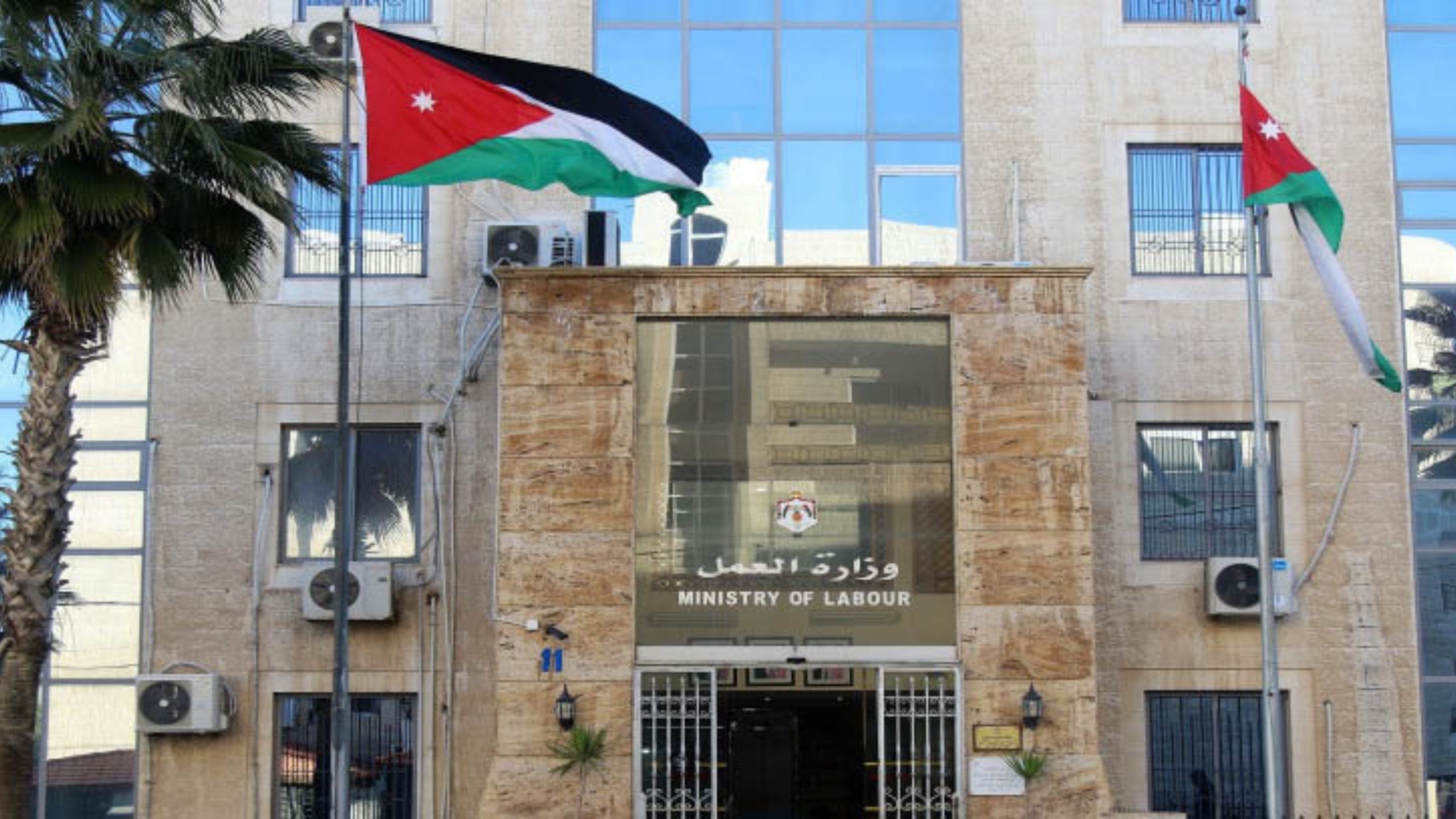
Amman, June 4 (Petra) — The Ministry of Labour has suspended the
recruitment of foreign workers across most economic sectors, in a
move aimed at regulating labor market demand and expanding employment
opportunities for Jordanians.
The decision, issued by Labour Minister Khaled Al-Bakkar and
effective from June 1, covers the recruitment of non-Jordanian
workers across all sectors and economic activities, including
recruitment conducted under agreements linked to the employment of
Jordanians.
The ministry, however, exempted a number of sectors and activities
from the suspension, including domestic workers, the garments and
textiles industry, and manufacturers of production inputs serving the
apparel sector operating in development zones, Qualified Industrial
Zones (QIZs) and free zones.
Occupations requiring specialized skills that are not sufficiently
available in the local labor market were also excluded from the
measure.
The decision stipulates that recruitment approvals issued before the
suspension took effect will remain valid and can proceed according to
existing regulations.
Explaining the rationale behind the move, Ministry of Labour
spokesperson Mohammad Al-Zyoud said the decision followed a review of
labor market needs and the workforce requirements of employers across
various sectors.
He noted that the ministry continuously assesses labor demand and
retains the flexibility to reopen recruitment channels when market
conditions necessitate additional foreign workers.
According to Al-Zyoud, the ministry adopts a dynamic approach to
labor recruitment, opening or suspending foreign labor permits based
on the actual needs of economic sectors and prevailing labor market
conditions.
He stressed that the ministry seeks to avoid oversaturating the labor
market with foreign workers while ensuring that businesses can access
the workforce required to sustain operations and growth.
“The ministry’s priority is to increase employment opportunities for
Jordanians and connect job seekers with available positions across
different sectors,” Al-Zyoud said.
He highlighted a broader strategy focused on workforce development
through vocational training and entrepreneurship programs implemented
by the Vocational Training Corporation and the Development and
Employment Fund.
These initiatives are designed to equip young Jordanians with skills
aligned with evolving labor market demands and future professions,
while also supporting entrepreneurship and self-employment
opportunities.
Al-Zyoud added that the Development and Employment Fund offers
dedicated financing programs for vocational training graduates
seeking to establish their own businesses and create additional jobs.
//Petra// RZ