Saudi Arabia’s Voluntary Carbon Market Fuels the Shift to a Low-Carbon

Under UAE President’s directives, UAE launches urgent relief response for Ghana flood victims

Combating Desertification and Drought: Qatar a Model in Preserving Natural Resources, Establishing Environmental Stability

UAE allocates US$30 million for emergency humanitarian response in El Obeid, calls for civilian protection, safe humanitarian aid access in Sudan

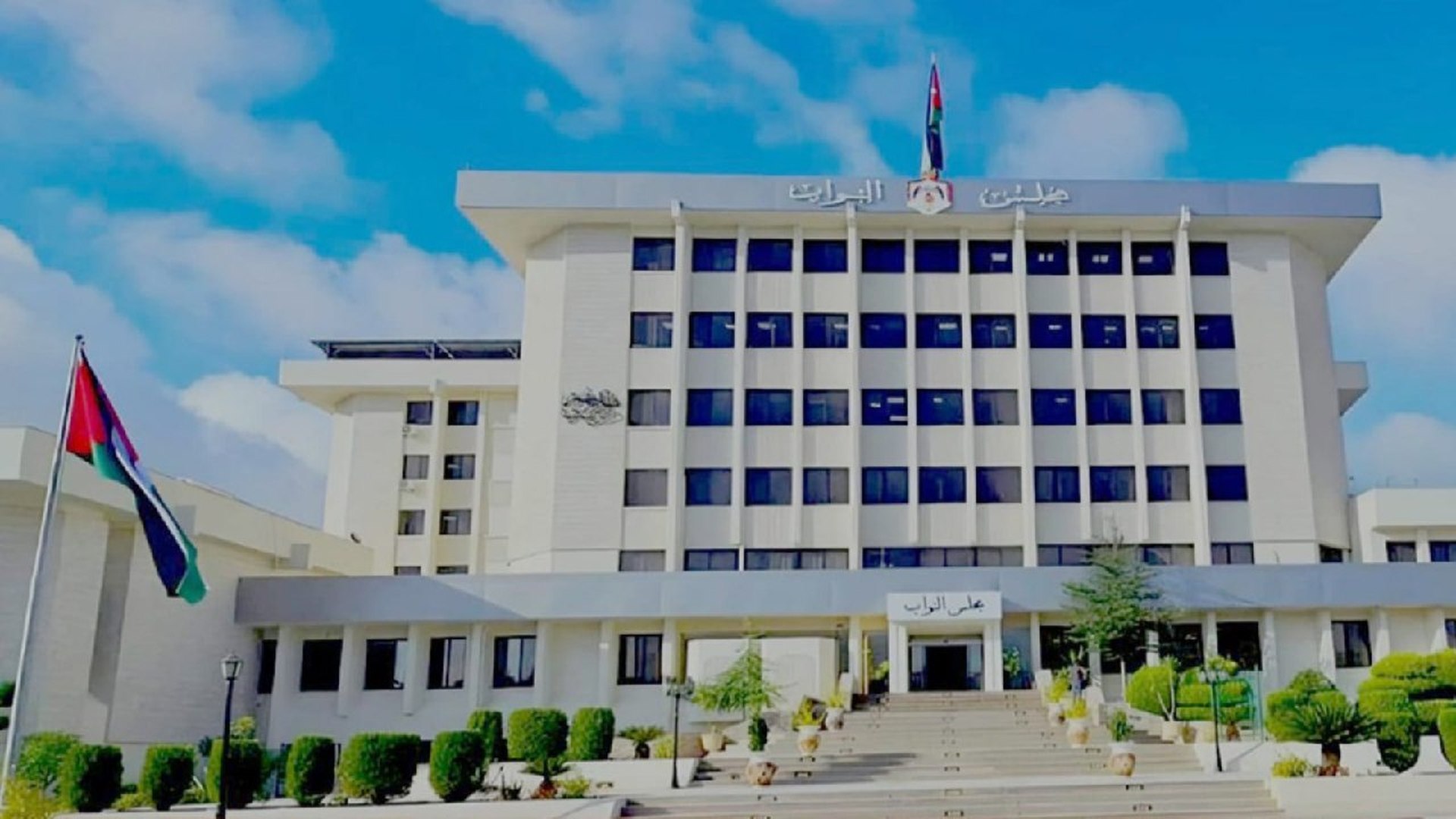
Amman, July 22 (Petra) – The Lower House of Parliament on Wednesday
approved, by majority vote, the first nine articles of the
government-backed 2026 Professional Work Regulation Law, with
amendments, as it continued deliberations on legislation aimed at
regulating Jordan’s vocational and technical labor market.
The approvals came during a session chaired by Speaker Mazen Qadi and
attended by Prime Minister Jafar Hassan and members of the Cabinet.
Lawmakers approved Articles 1 through 9 of the 17-article bill, while
deferring consideration of part of Article 9 to a later session.
The draft law seeks to regulate vocational and technical professions
by requiring professional licenses for practitioners, licensing
vocational and technical training providers, and accrediting training
programs and trainers under the supervision of the Ministry of Labor.
It also aims to strengthen oversight of the vocational labor market
and improve the quality of vocational training and professional
practice.
Among the approved provisions, lawmakers endorsed the establishment
of a Vocational and Technical Training and Skills Development
Activities Support Fund within the Ministry of Labor to support
vocational training, skills development, employment initiatives, and
graduates of vocational training programs, while assisting low-income
and unemployed individuals, including persons with disabilities. The
fund will succeed the existing support fund established under the
2019 Vocational and Technical Skills Development Law.
The Lower House also approved provisions prohibiting vocational and
technical training providers from operating without a ministry-issued
license and requiring professional licenses to practice professions
covered under the law. Amendments adopted by lawmakers will allow
individuals with prior experience to sit directly for professional
examinations under specified conditions without first completing
designated training programs.
The approved articles also authorize the Ministry of Labor to collect
fees for issuing and renewing training provider and professional
licenses, as well as for administering professional examinations,
with the fee structure to be set by regulation.
During the debate, lawmakers said the legislation would help organize
the labor market, improve oversight of vocational professions, raise
training standards and create more employment opportunities for
Jordanians. They also stressed the need to recognize experienced
workers by ensuring practical experience is considered alongside
formal qualifications and training.
The Cabinet approved the draft law’s justifications in January. Under
the proposed legislation, the Ministry of Labor will be responsible
for licensing, regulating, supervising and evaluating vocational and
technical training providers, accrediting training programs and
trainers, and overseeing professional examinations and the practice
of covered professions to improve workforce quality and labor market
governance.
//Petra// AJ