Jordan’s Q2 2026 GDP Expands 3.0%, Outperforming Regional Headwinds, International Forecasts
ENV-KUWAIT-SUSTAINABLITYKuwait strengthens environmental sustainability through strategic initiativesBy Zahra Al-Kadhmi

HLT-KUWAIT-SURGERYKuwait advances health sector with robotic, remote surgeryBy Mohammad Al-Moseb

Saudi Arabia’s Voluntary Carbon Market Fuels the Shift to a Low-Carbon

Madaba, June 11 (Petra) — A package of strategic water and
wastewater projects is being rolled out across Madaba Governorate as
part of a broad infrastructure modernization program aimed at
improving service quality, strengthening network efficiency and
reducing water losses.
The projects, which carry investments worth hundreds of millions of
dinars, target key areas of the water sector, including network
rehabilitation, wastewater treatment, water storage and emergency
supply systems.
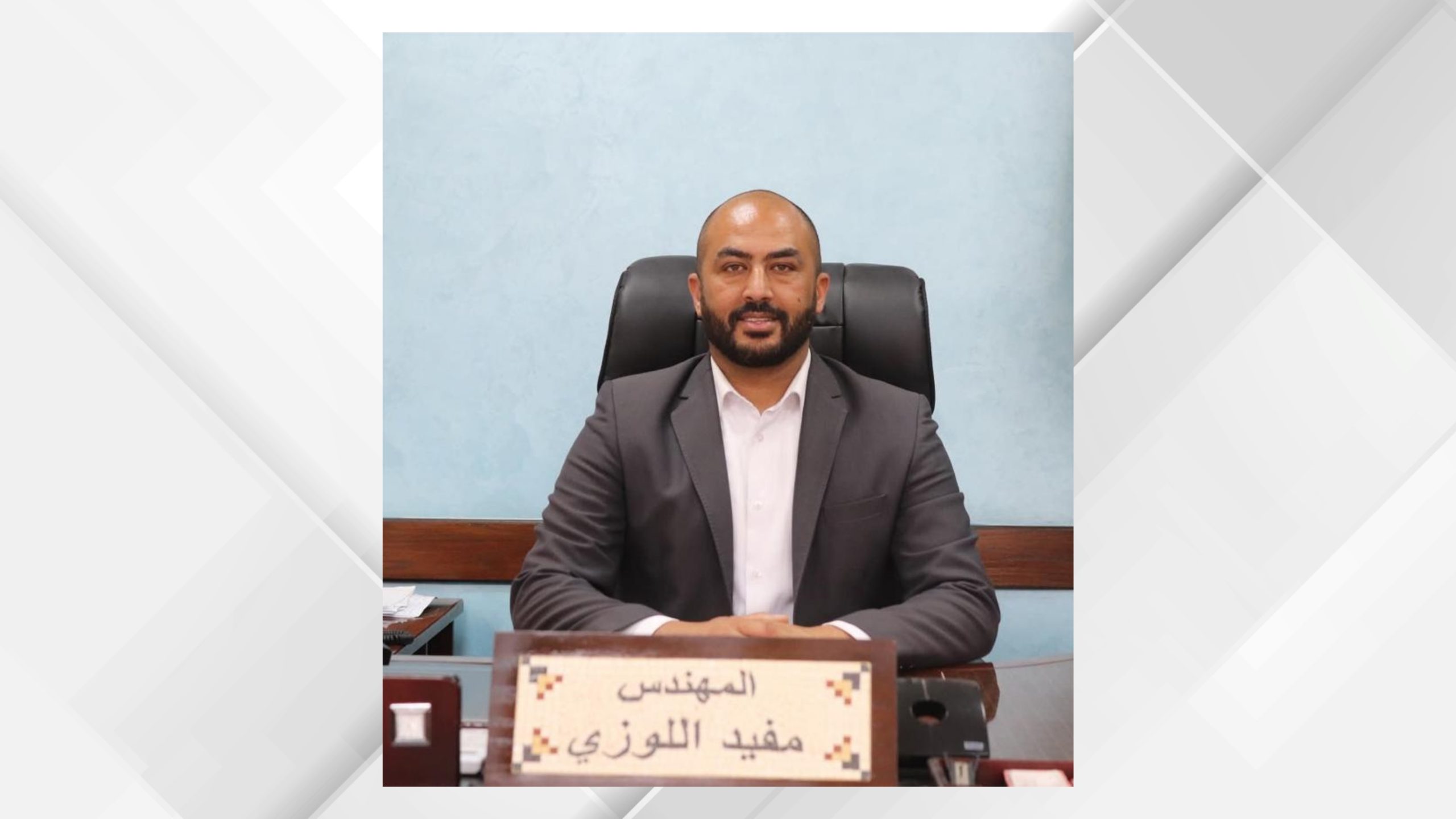
Director of Madaba Water Administration Mufeed Al-Louzi said
implementation has begun on a JD8 million project to replace aging
water networks throughout the governorate, financed by the World
Bank.
The project will be executed in phases over the next three years and
is designed to improve operational efficiency, enhance water supply
reliability and reduce losses resulting from leaks and recurrent
network failures.
Al-Louzi said the administration is also overseeing one of the
largest environmental and service projects in the governorate through
the expansion of the Madaba Wastewater Treatment Plant, a JD135
million investment aimed at increasing treatment capacity and
supporting future demand.
The project includes the expansion of wastewater networks to serve
new population centers and the upgrading of treated-water
transmission systems to maximize the use of reclaimed water in
agricultural and development activities.
He noted that the expansion will contribute to improving
environmental performance and strengthening the sector’s ability to
manage growing wastewater volumes.
Among the projects currently under implementation is an emergency
water pipeline along the King’s Highway, valued at JD50,000, which is
intended to strengthen water supply to communities located along the
route and address potential service bottlenecks during periods of
high demand.
The administration is also implementing a project to construct a
treated-water storage reservoir with a capacity of 50,000 cubic
meters at the wastewater treatment plant.
The project, financed by the United Nations Food and Agriculture
Organization (FAO) at a cost of approximately JD500,000, is expected
to increase storage capacity and improve the utilization of treated
water for irrigation and other approved uses.
Additional investments include a JD350,000 project to replace water
pipelines in Dhiban, Libb, Maleh and Jabal Bani Hamida, aimed at
reducing service interruptions and improving network performance.
A further JD350,000 is being invested in wastewater transmission
lines across several areas of the governorate to enhance sanitation
services and improve environmental conditions.
Al-Louzi said the administration is also implementing a JD450,000
emergency water project focused on addressing supply challenges in
areas experiencing recurring service pressures and water shortages.
He stressed that the projects form part of a comprehensive strategy
to modernize the water and wastewater sectors, improve service
quality and strengthen water security in line with population growth
and urban expansion.
Future plans include enhancing leak detection capabilities through
cooperation with the private sector and expanding the use of smart
monitoring and pressure-management systems to improve operational
efficiency and support sustainable water resource management.
According to administration data, water losses in Madaba stood at 35
percent at the end of 2025. Through the implementation of strategic
projects and performance-based contracts, officials aim to reduce
losses by two percentage points in line with national water sector
targets.
//Petra// RZ