Jordan’s Q2 2026 GDP Expands 3.0%, Outperforming Regional Headwinds, International Forecasts
ENV-KUWAIT-SUSTAINABLITYKuwait strengthens environmental sustainability through strategic initiativesBy Zahra Al-Kadhmi

HLT-KUWAIT-SURGERYKuwait advances health sector with robotic, remote surgeryBy Mohammad Al-Moseb

Saudi Arabia’s Voluntary Carbon Market Fuels the Shift to a Low-Carbon

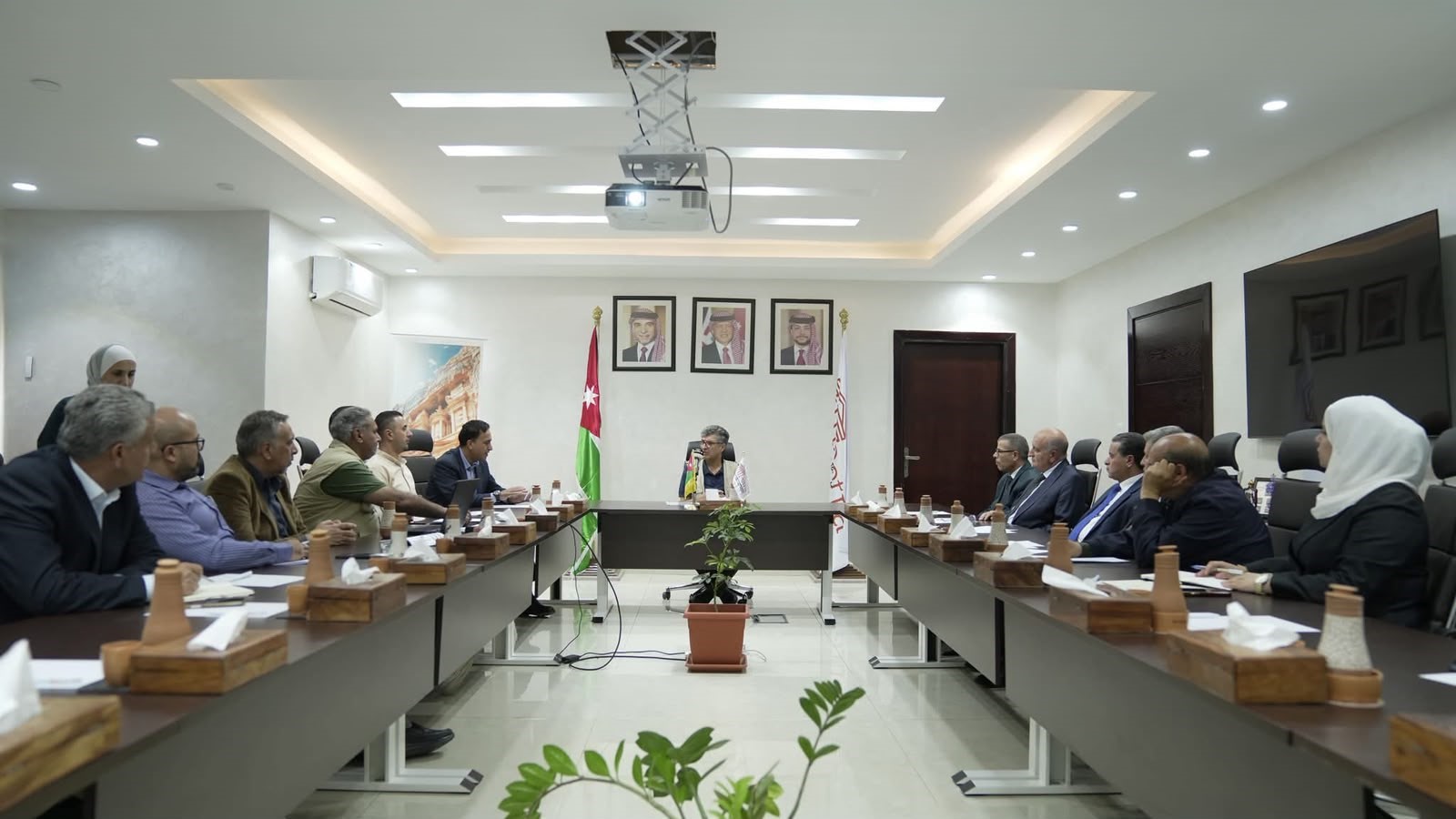
Petra, Oct. 6 (Petra) — The Petra Development and Tourism Region
Authority (PDTRA) launched a zoning project on Tuesday covering four
land basins in areas belonging to the Petra region. The project aims
to regulate urban expansion, meet local community needs, and provide
structured zones for development and investment, while preserving the
region’s unique historical, archaeological, and environmental
character.
PDTRA Board Chairman Adnan Al-Sawair said the initiative marks a
significant step toward organizing future urban growth in Wadi Musa,
providing structured land parcels for residents, and supporting
sustainable planning.
Al-Sawair explained that the project aligns with PDTRA strategies to
manage land use, curb unplanned expansion, upgrade infrastructure and
public services, and foster a favorable environment for economic
investment.
The project encompasses four basins in the Wadi Musa area, covering
an estimated total area of approximately 10.5 square kilometers. The
area is distributed across Basin 18 (Al-Takharir) at roughly 2.1
square kilometers, Basin 8 (Al-Mudarraj) at 2.7 square kilometers,
Basin 6 (Al-Mahzool) at 2.4 square kilometers, and Basin 4
(Al-Safaha) at 3.3 square kilometers.
Al-Sawair noted that the zoning will offer organized urban areas
designed for current and future needs, giving residents improved
building and expansion options within clear regulatory frameworks
while boosting investment opportunities.
He added that the initiative establishes a framework for future
expansion in public utilities and infrastructure, enhancing balanced
development across Wadi Musa and increasing land-use efficiency.
The plan also includes creating an organized industrial zone to
accommodate light industrial, craft, and supporting service
activities, generating local employment, and stimulating economic
activity.
Al-Sawair highlighted that PDTRA prioritized preserving the visual
landscape and urban identity during the planning phase to ensure new
development remains harmonious with Petra’s historical and tourist
status.
Balancing community requirements, investment growth, and the
preservation of Petra’s heritage and environment remains essential,
Al-Sawair emphasized, noting that structured urban planning forms the
foundation for long-term sustainability.
PDTRA will continue executing urban development and planning projects
aimed at improving quality of life, supporting the local economy, and
attracting investment while safeguarding Petra’s heritage for future
generations.
//Petra// AF