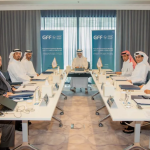
ENV-KUWAIT-SUSTAINABLITYKuwait strengthens environmental sustainability through strategic initiativesBy Zahra Al-Kadhmi
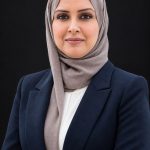
HLT-KUWAIT-SURGERYKuwait advances health sector with robotic, remote surgeryBy Mohammad Al-Moseb

Saudi Arabia’s Voluntary Carbon Market Fuels the Shift to a Low-Carbon
Under UAE President’s directives, UAE launches urgent relief response for Ghana flood victims
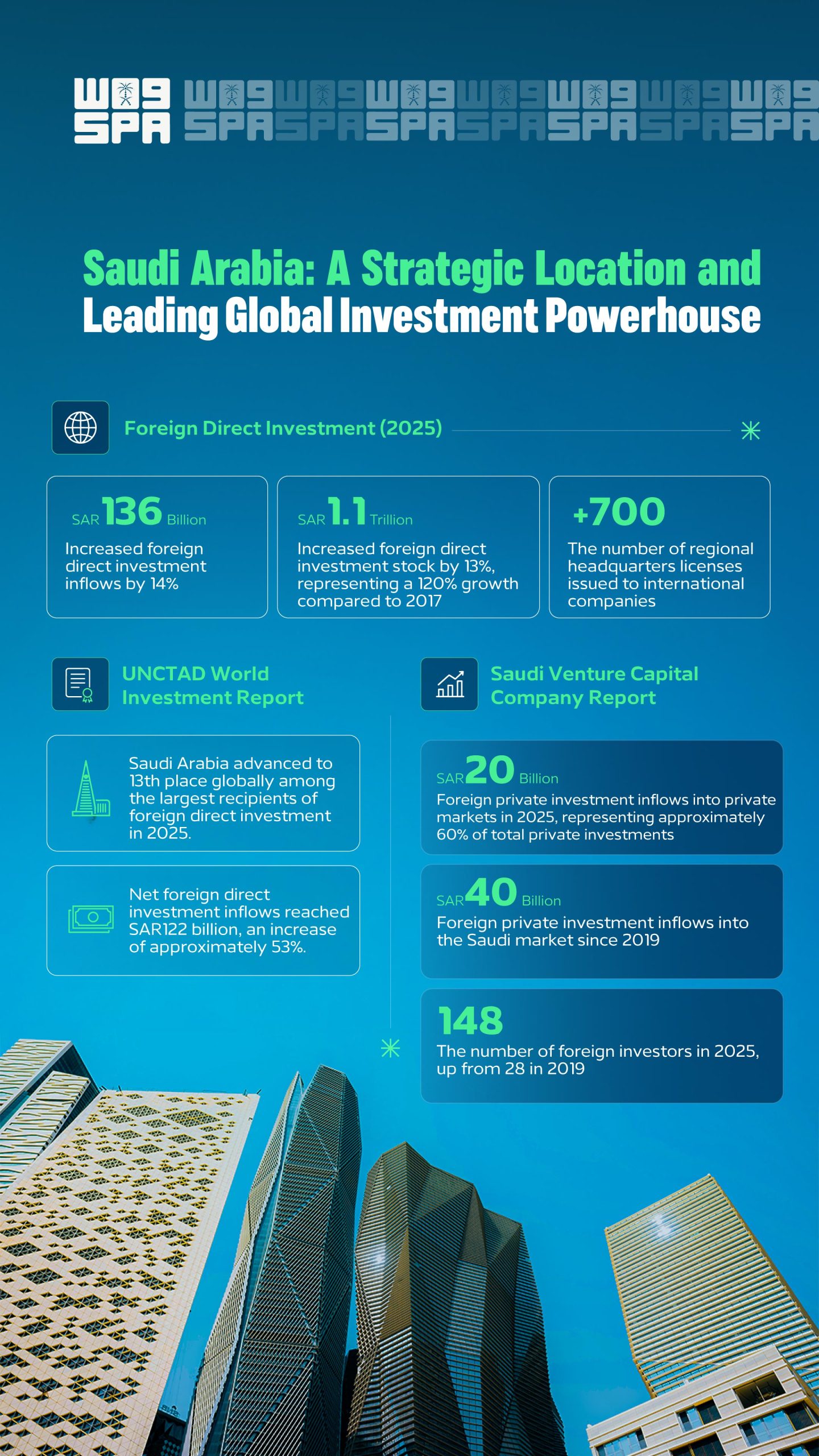
, August 5, 2026, (SPA) – (FANA) The Kingdom of Saudi Arabia is rapidly cementing its status as a global investment powerhouse, leveraging its strategic geographic location and the institutional maturity of Saudi Vision 2030 to launch a new era of economic diversification.As the Kingdom enters the third phase of Saudi Vision 2030 (2026-2030), the national focus has shifted toward aligning strategic financial planning with regional strategies to ensure long-term sustainable prosperity. Central to this transformation is the National Investment Strategy (NIS), launched to stimulate cross-sector growth. The strategy targets raising the private sector’s contribution to GDP to 65%, boosting foreign direct investment (FDI) to 5.7% of GDP, and increasing the share of non-oil exports from 16% to 50% of non-oil GDP.These structural reforms have yielded historic returns. FDI inflows grew by 14% in 2025 to reach SAR136 billion—a fivefold increase compared to 2017—while total FDI stock expanded by 13% to approximately SAR1.1 trillion. According to the United Nations Conference on Trade and Development (UNCTAD) World Investment Report, Saudi Arabia advanced to 13th place globally among the largest FDI recipients in 2025, driven by a 53% surge in net inflows to SAR122 billion. Additionally, the Kingdom has granted licenses to over 700 international companies to establish their regional headquarters in Riyadh.The foreign private investment (FPI) has mirrored this rapid macroeconomic expansion. A recent report by the Saudi Venture Capital Company (SVC) revealed that FPI inflows into Saudi private markets reached SAR20 billion ($5.3 billion) in 2025, representing 60% of total private investment. Since 2019, more than SAR40 billion ($11 billion) in FPI has flowed into the Kingdom, sustaining its position as the largest venture capital market in the MENA region for the third consecutive year. The number of international investors jumped from 28 in 2019 to 148 in 2025.Saudi Venture Capital Company CEO Nora Alsarhan told the Saudi Press Agency that the Kingdom’s private markets have matured significantly. She noted that investments are diversifying beyond financial technology and e-commerce into priority sectors like healthcare, bolstered by an increase in stable mid-market deals and private credit. Acting as a market maker, SVC has committed to more than 67 venture capital, private equity, and private debt funds to pave the way for international capital.Riyadh Chamber of Commerce First Vice Chairman Abdullah Alkhorayef added that the Kingdom is no longer merely competing to attract capital, but has become a global magnet for high-quality investments that transfer knowledge, localize technologies, and create jobs. Emphasizing the role of robust legislative reforms in building investor confidence, he affirmed the chamber’s commitment to empowering the business sector and supporting the seamless integration of international investors into the Saudi economy.– SPA