Jordan’s Q2 2026 GDP Expands 3.0%, Outperforming Regional Headwinds, International Forecasts
ENV-KUWAIT-SUSTAINABLITYKuwait strengthens environmental sustainability through strategic initiativesBy Zahra Al-Kadhmi

HLT-KUWAIT-SURGERYKuwait advances health sector with robotic, remote surgeryBy Mohammad Al-Moseb

Saudi Arabia’s Voluntary Carbon Market Fuels the Shift to a Low-Carbon

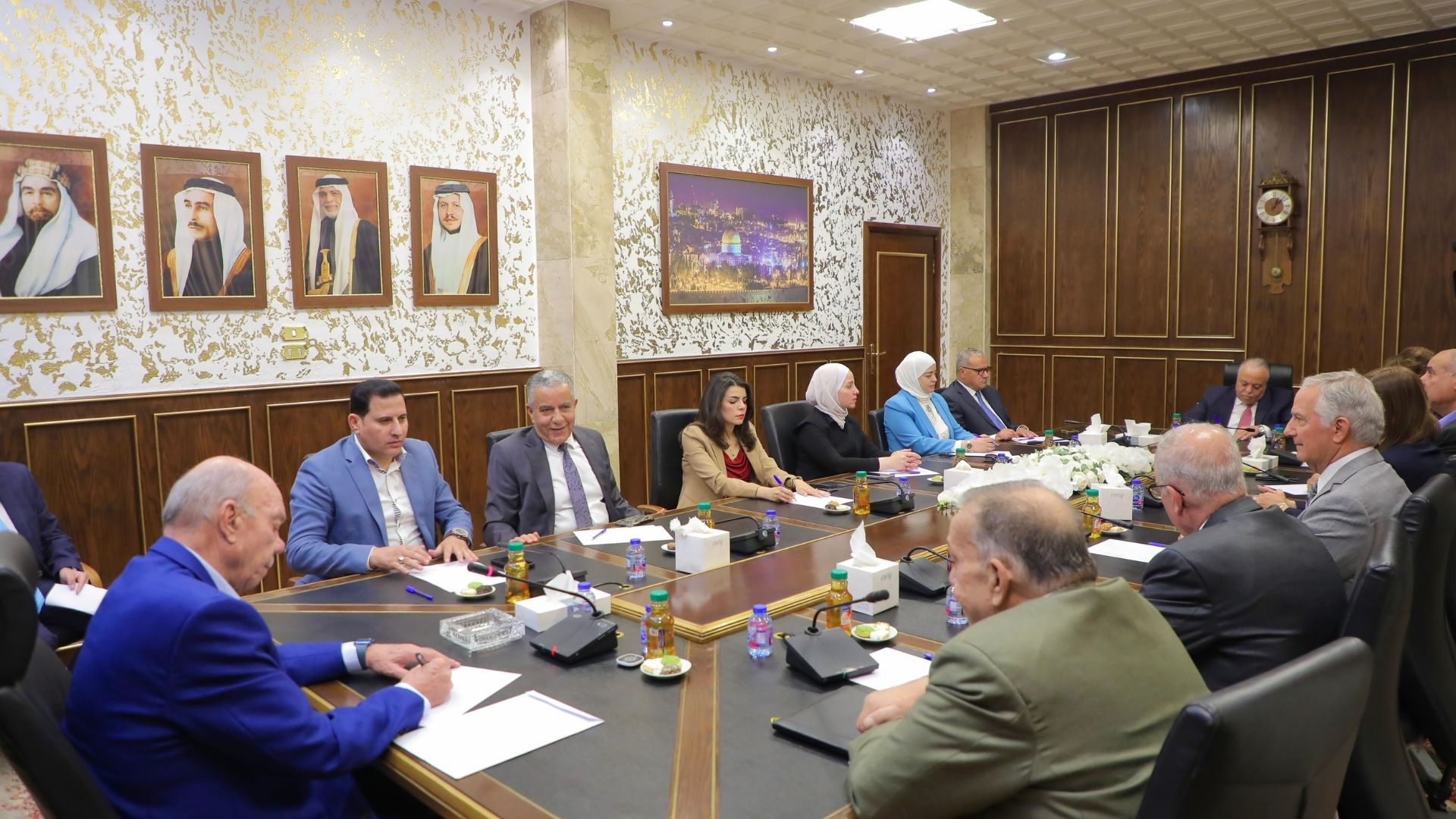
Amman, June 24 (Petra) – Senate President Faisal Fayez on Wednesday
stressed water security as an integral part of national security
through optimizing the use of groundwater and surface water, large
quantities of which are wasted each winter.
He spoke during a meeting in which he received a study by the Amman
Group for Future Dialogues on water security sustainability in Jordan
through diversification of water sources, desalination, and renewable
Energy.
Fayez proposed a new project similar to the National Water Carrier to
address future water scarcity resulting from population growth,
whether through desalination or utilizing and treating groundwater to
make it potable and offset a shortage in water allocated for
agricultural purposes.
He also urged addressing water loss, cleaning dams, expanding water
harvesting systems, and building earth dams.
The head of the Senate also stressed the need to address the costs of
rising energy prices through expanding renewable energy projects
(solar and wind), given their impact on water prices and the cost of
extracting water from underground aquifers or desalinating seawater.
For his part, head of the group, Bilal Al-Tal, said Jordan faces a
complex water crisis involving population pressures, climate change,
and increased water loss, in addition to regional crises that have
affected food and economic security.
He said Jordan is one of the wold’s most water-scarce countries,
necessitating an urgent shift from planning to the actual
implementation of sustainable projects and solutions.
The study concluded that water desalination is a vital solution to
address water scarcity in Jordan, whether through the National Water
Carrier project to desalinate Red Sea water and transport it to Amman
and the governorates, or through the desalination of brackish and
deep wells, and utilizing mobile desalination technologies.
It stressed the need to expand the use of renewable energy in water
projects and reduce pumping and desalination costs, leveraging
Jordan’s significant solar energy potential.
It also stressed a focus on reducing water loss due to leaks and
tampering with networks, rehabilitating infrastructure, deploying
smart meters, and curbing water theft, in addition to expanding
rainwater harvesting, constructing dams, and recharging groundwater
basins.
The study also highlighted the treatment of wastewater for
agricultural use, where the agricultural sector consumes the largest
share of water.
//Petra//SS