Jordan’s Q2 2026 GDP Expands 3.0%, Outperforming Regional Headwinds, International Forecasts
ENV-KUWAIT-SUSTAINABLITYKuwait strengthens environmental sustainability through strategic initiativesBy Zahra Al-Kadhmi

HLT-KUWAIT-SURGERYKuwait advances health sector with robotic, remote surgeryBy Mohammad Al-Moseb

Saudi Arabia’s Voluntary Carbon Market Fuels the Shift to a Low-Carbon

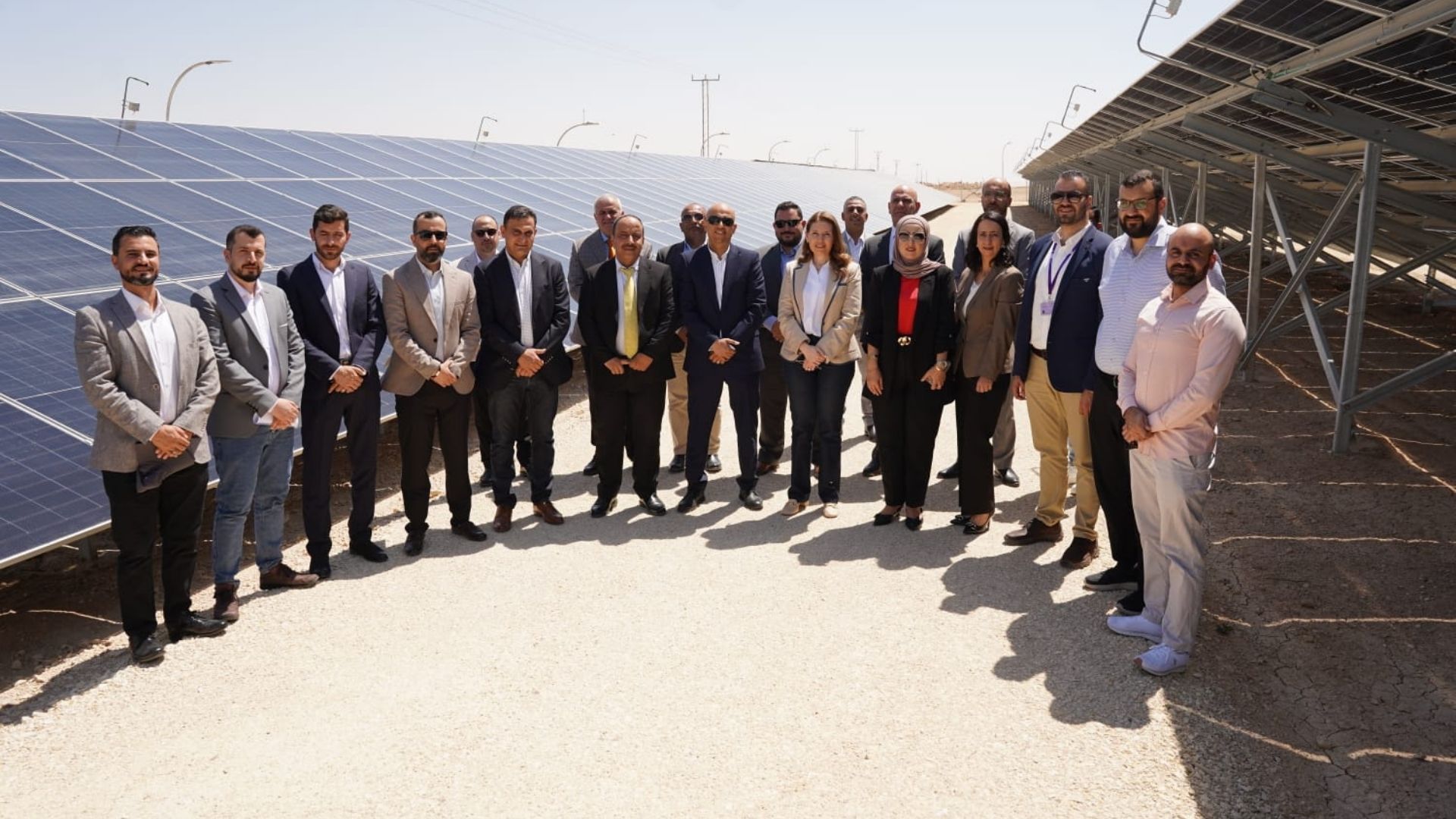
Amman, June 11 (Petra) — The Telecommunications Regulatory
Commission (TRC) has launched a 450-kilowatt solar power project in
Qasr Al-Hallabat in Zarqa to meet the area’s operational needs and
reduce carbon emissions by about 430 tons annually.
According to a TRC statement issued Thursday, TRC Chairperson Lara
Khatib said the project aligns with the Economic Modernization
Vision’s goal of building a green and sustainable economy. It also
reflects the commission’s commitment to supporting the National
Energy Strategy 2030 by expanding the use of renewable energy sources
and improving energy efficiency across sectors.
Khatib said the project was implemented in cooperation with a
consortium of national companies, represented by Wathba Investment
Company and Beta Engineering and Contracting Company, under the
supervision of the Royal Scientific Society (RSS). She said the
partnership reflects TRC’s commitment to using local expertise and
supporting national competencies in strategic projects that serve the
country and strengthen its clean energy capabilities.
The project’s full output will be used to meet TRC’s operational
needs, helping improve institutional infrastructure efficiency,
reduce energy costs, and strengthen reliance on innovative,
environmentally friendly solutions that support sustainable digital
transformation.
Director of the National Energy Research Center at the RSS Bahjat
Aulimat said the shift toward renewable energy has become a strategic
option for Jordanian national institutions, given the country’s
limited conventional energy resources. He noted that Jordan was among
the region’s early movers in developing the renewable energy sector
and encouraging public and private institutions to use the Kingdom’s
strong solar energy potential.
Aulimat said the RSS, through the National Energy Research Center,
provided technical and professional support in line with its mission
to assist national institutions with scientific and engineering
expertise. The center supported the project’s technical aspects,
including preparing and reviewing technical requirements and ensuring
compliance with relevant laws and regulations, while maintaining high
standards of quality, safety, and performance.
Wathba Investment Company Director General Feras Batarseh said the
project reflects the global green digital transformation agenda under
the International Telecommunication Union initiative. He said the
solar energy sector represents a strategic national opportunity that
goes beyond electricity generation to include capacity building,
support for local supply chains, energy security, and added economic
value through clean projects that serve society.
Attendees toured the project site and viewed its operating systems
and supporting equipment, including robots installed on the solar
panels to help sustain the project and ensure efficient operation.
They were briefed on the project’s mechanisms and technical systems.
The systems and equipment were installed by local experts and
national talent, reflecting Jordanian technical capabilities in
implementing and operating vital projects according to high
standards.
//Petra// AO