ENV-KUWAIT-SUSTAINABLITYKuwait strengthens environmental sustainability through strategic initiativesBy Zahra Al-Kadhmi

HLT-KUWAIT-SURGERYKuwait advances health sector with robotic, remote surgeryBy Mohammad Al-Moseb

Saudi Arabia’s Voluntary Carbon Market Fuels the Shift to a Low-Carbon

Under UAE President’s directives, UAE launches urgent relief response for Ghana flood victims

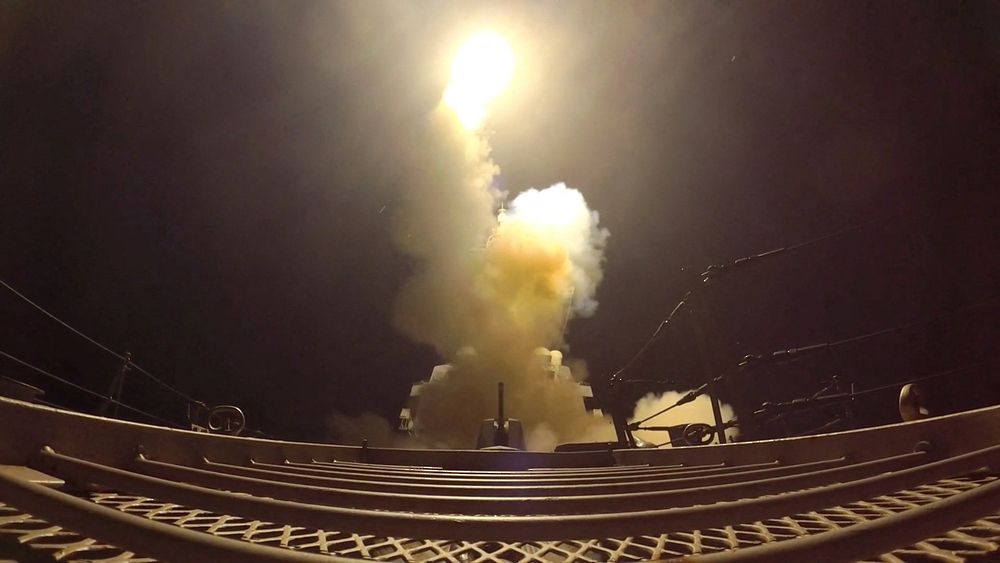
US–Iran Military Tensions
Escalate
Washington, 15 July 2026 (ONA) –
Military tensions between the United States and Iran escalated for the fourth
consecutive night, as the U.S. launched a new wave of airstrikes against
targets inside Iran. In retaliation, Iran announced that it had carried out
missile and drone strikes against multiple locations across the region, further
inflaming regional tensions and undermining the fragile truce brokered in late
June, following months of confrontations that claimed thousands of lives.
The US President Donald Trump
reimposed yesterday “Tuesday” a naval blockade on all Iranian ports and
threatened to strike Iranian power plants and bridges as early as next week,
unless Tehran resumes negotiations.
At dawn today, Kuwait announced
that its air defence forces had successfully intercepted and repelled hostile
drone attacks. Authorities also confirmed that they had brought under control a
fire that broke out at one of its facilities, which had been struck during the
hostile offensive.
Jordan, meanwhile, reported that
its air defence systems intercepted and shot down three ballistic missiles that
entered Jordanian airspace in the early hours of today. The interception and
destruction operations resulted in no casualties or material damage, according
to the statement.
In a related development, Volker
Türk, United Nations High Commissioner for Human Rights, stated that “the
resumption of large-scale hostilities in the Middle East between the United
States and Iran represents a significant setback.”
In a statement, the High
Commissioner warned that a return to war undermines peace efforts and deepens
instability, carrying grave risks for human rights across the region.
Türk called on all parties to
respect the international humanitarian law and take all necessary measures to
protect civilians and civil infrastructure, and to uphold their obligations
under international human rights law.
The High Commissioner emphasized
the imperative of prioritizing diplomacy, restraint and de-escalation, urging
an immediate return to the ceasefire between Iran and the United States,
implemented in accordance with the provisions of international law.
It is worth noting that the US–Iran
war has driven oil prices to their highest levels since mid-June, with
benchmark Brent crude surging 15 percent over the past seven days.
— Ends/AH