Jordan’s Q2 2026 GDP Expands 3.0%, Outperforming Regional Headwinds, International Forecasts
ENV-KUWAIT-SUSTAINABLITYKuwait strengthens environmental sustainability through strategic initiativesBy Zahra Al-Kadhmi

HLT-KUWAIT-SURGERYKuwait advances health sector with robotic, remote surgeryBy Mohammad Al-Moseb

Saudi Arabia’s Voluntary Carbon Market Fuels the Shift to a Low-Carbon

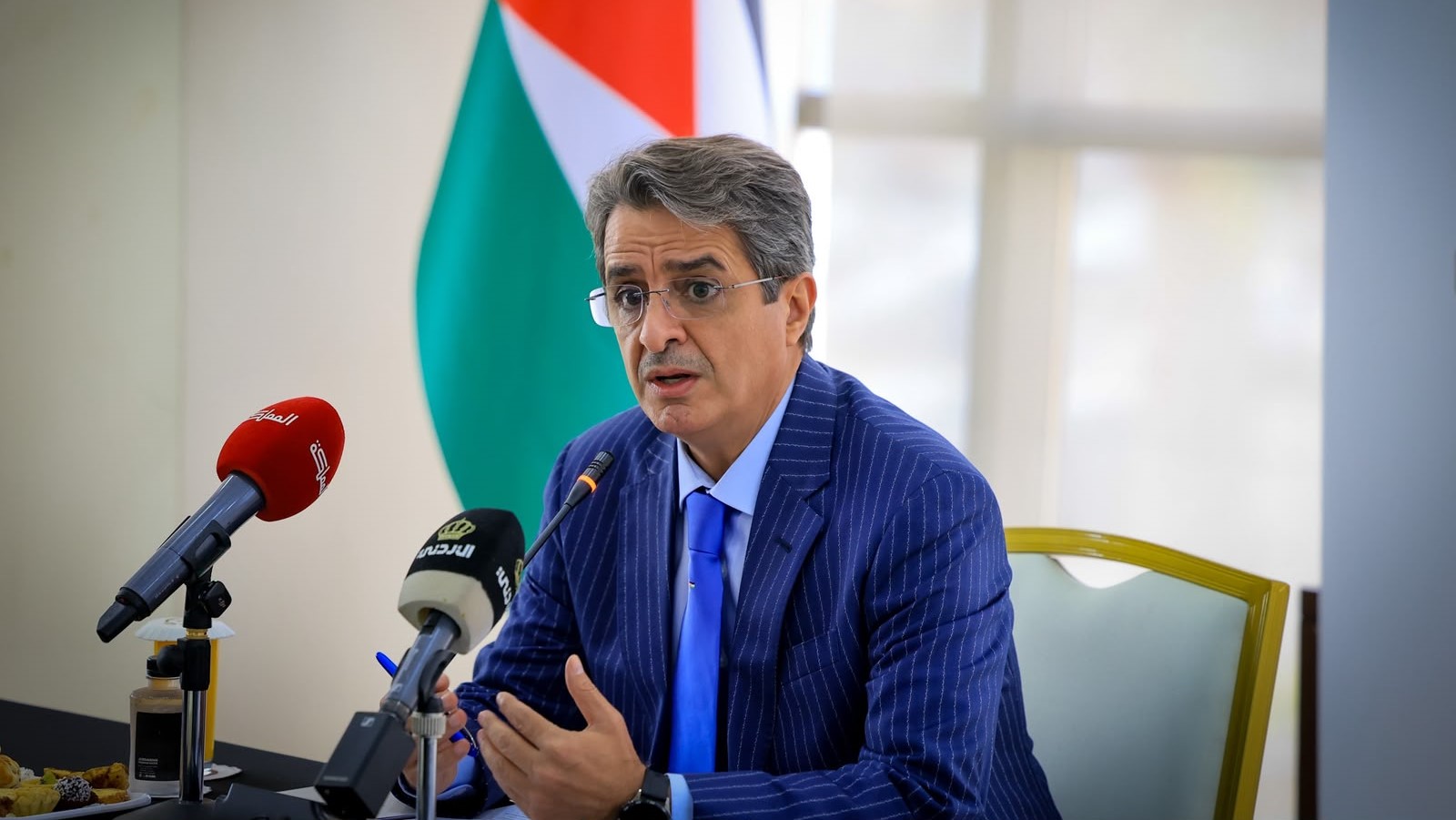
Amman, Oct. 6 (Petra) — Youth affairs remain a permanent royal
priority and a cornerstone of Jordan’s political, economic, and
administrative modernization drives, Minister of Youth Raed Adwan
said on Tuesday.
Speaking at a meeting with ambassadors of donor countries and
representatives of United Nations agencies working with youth, Adwan
stated that the National Youth Strategy 2026–2030 serves as a unified
national framework and a binding reference point for the government
and international partners to direct resources, policies, and
programs toward youth priorities through a measurable executive plan.
The meeting, attended by Secretary-General of the Ministry of
Planning and International Cooperation Omar Al-Fanek, reviewed the
methodology behind drafting the strategy. Adwan explained that the
strategy drew on the 2025 National Youth Survey, which polled over
12,000 young men and women across Jordan’s governorates, and on
consultative sessions with more than 10,000 youth, government
ministries, private sector leaders, educational institutions, civil
society organizations, and international partners.
Adwan noted that the ministry launched centralized programs aligned
with the strategy’s core pillars this year, along with a
comprehensive plan to revitalize youth centers by upgrading
infrastructure, training staff, and expanding youth-focused
programming.
Emphasizing that the strategy is tied to an actionable executive
plan, Adwan urged international partners to move away from
fragmented, standalone initiatives toward integrated programs aligned
with national priorities. He stressed that streamlining aid and
capitalizing on past investments will prevent duplication, maximize
impact, and ensure long-term sustainability.
For his part, Al-Fanek affirmed the Ministry of Planning and
International Cooperation’s commitment to facilitating international
support and channeling aid into youth projects in line with Jordan’s
bilateral cooperation agreements.
Ambassadors and international representatives praised the inclusive
methodology behind the strategy and confirmed their support for
adopting the National Youth Strategy 2026–2030 as a primary reference
for coordinating youth-directed investments, enhancing employment and
educational opportunities, and driving sustainable outcomes.
//Petra// AF