ENV-KUWAIT-SUSTAINABLITYKuwait strengthens environmental sustainability through strategic initiativesBy Zahra Al-Kadhmi

HLT-KUWAIT-SURGERYKuwait advances health sector with robotic, remote surgeryBy Mohammad Al-Moseb

Saudi Arabia’s Voluntary Carbon Market Fuels the Shift to a Low-Carbon

Under UAE President’s directives, UAE launches urgent relief response for Ghana flood victims
Amman, June 28 (Petra) — Minister of Transport Nidal Qatamin said
Jordan’s transport and logistics sector remains a key pillar of the
national economy, highlighting ongoing efforts to develop
infrastructure, border crossings and logistics services to strengthen
the Kingdom’s position as a regional hub for transport and trade
connectivity.
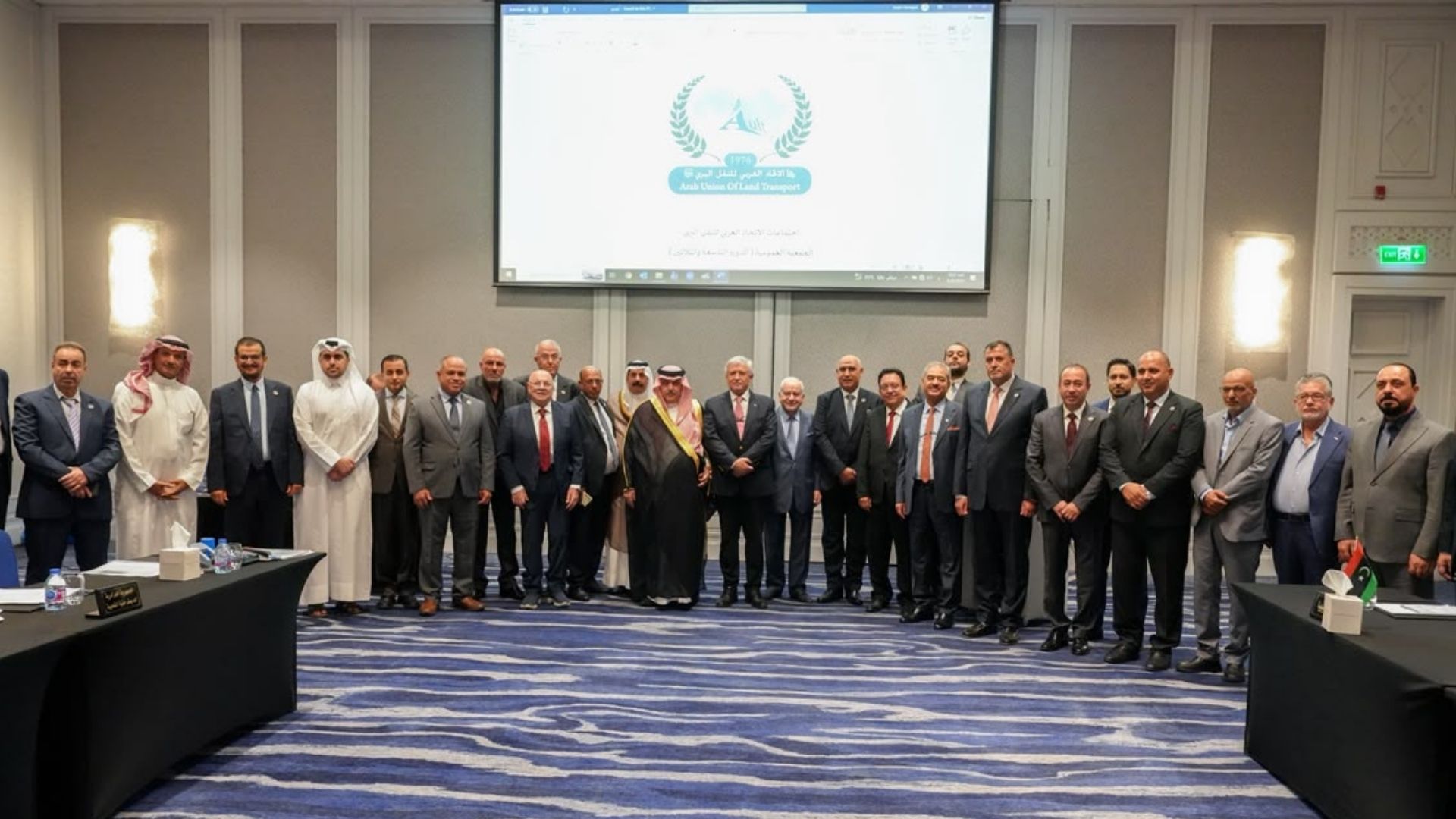
Speaking Sunday at the opening of the 39th General Assembly of the
Arab Union for Land Transport in Amman, Qatamin said the transport
sector is a major driver of economic growth due to its role in
supporting trade, investment and the sustainability of supply chains
among Arab countries. The meeting brought together transport experts
from member states of the union and the Arab League, according to a
Ministry of Transport statement.
Qatamin said continued investment in the sector is essential to
keeping pace with regional and international developments and
improving its contribution to economic development.
He described the Arab Union for Land Transport as a key platform for
advancing institutional cooperation in the sector, stressing the
importance of strengthening coordination among member states to
promote Arab economic integration and harmonize transport-related
policies.
He also called for further development of logistics corridors, the
harmonization of transport procedures and the modernization of border
and customs systems to facilitate the movement of goods, reduce
operating costs and shorten transit times across the Arab region.
The assembly featured an official opening session followed by
specialized discussions and coincided with the 50th anniversary of
the union’s establishment. The event drew representatives from
transport ministries, federations and land transport companies from
several Arab countries.
Minister Plenipotentiary and Chairperson of the Transport and Tourism
Committee at the Arab League Bahgat Abu El-Nasr said the Arab Union
for Land Transport has become a leading reference for research and
studies related to the transport sector in the Arab world,
underscoring its growing role in supporting policymaking and
logistics development.
Secretary-General of the Arab Union for Land Transport Malek Haddad
said the union has reached an advanced stage of institutional
development after five decades of work, enabling it to strengthen its
capabilities and expand its role within the Arab transport sector.
He said the launch of the Arab Transport Experts Unit marks a
significant step forward by creating a platform to consolidate Arab
expertise and provide technical support to policymakers, contributing
to more effective transport policies and improved sector performance.
Haddad added that the union’s next phase will focus on expanding Arab
cooperation in transport and logistics, accelerating digital
transformation and advancing sustainability to enhance the sector’s
regional and international competitiveness.
President of the International Association of Land Transport (UIT)
and Chairperson of the Arab Union for Land Transport Khaled Haqil
said the union’s 50th anniversary marks an important milestone that
reflects the progress of joint Arab institutional work in land
transport and the development of a more comprehensive regulatory
framework for the sector.
He said the union is entering a new phase focused on strengthening
its institutional tools and reinforcing its role as the umbrella
organization for Arab land transport, noting that the sector has
evolved into an integrated economic system closely linked to trade,
supply chains and development.
Haqil stressed the need to deepen public-private partnerships to
improve the efficiency of logistics systems and enhance their ability
to respond to global developments. He also described the launch of
the Arab Transport Experts Unit as a strategic initiative to support
transport decision-making through specialized expertise and technical
studies.
Participants also discussed developing the Arab land transport
system, facilitating transit and cross-border transport, modernizing
transport legislation and regulatory frameworks, accelerating digital
transformation in logistics services, enhancing training and road
safety programs, and expanding public-private partnerships to build a
more integrated, efficient and sustainable Arab transport system.
//Petra// AJ